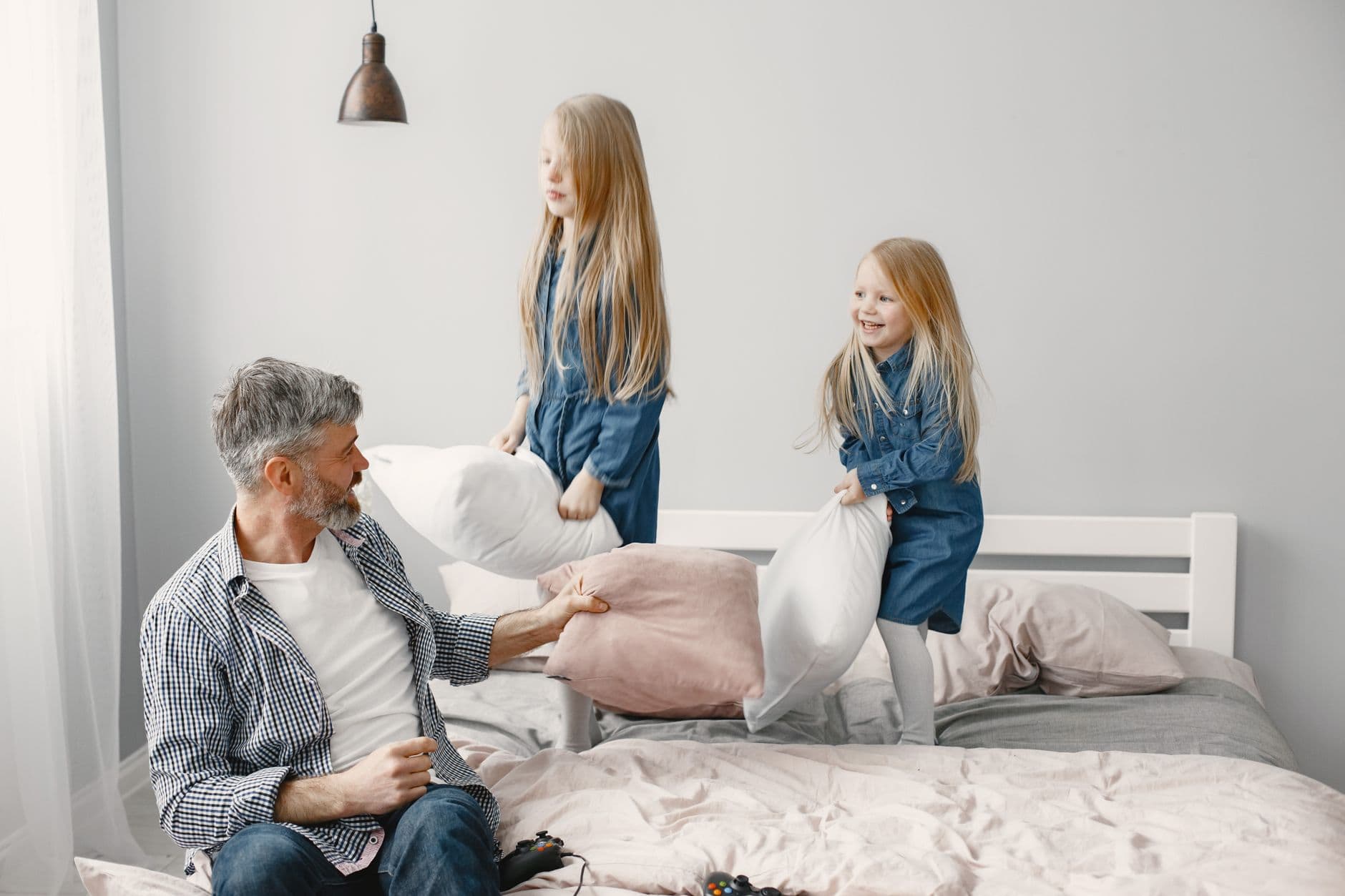
One of my core memories is of doing family chores as a tween while blasting the Silverado album from our CD player. If you haven’t watched the movie or listened to the music, you’ve got some happiness to look forward to.
But whether they’re listening to great movie scores while they dust or making a game out of watering the pots, grandparents can help their grandchildren learn their chores, and even enjoy them! We have all seen teens and young adults who, usually at no fault of their own, don’t know how to complete basic chores, like doing the laundry or setting the table.
To help prevent this in your own grandchildren, we’ve come up with four developmentally appropriate chores you can easily do with your grandchildren at each age, whether your grandkids make the smallest pitter patter of feet or your grandkids can drive themselves to your house.
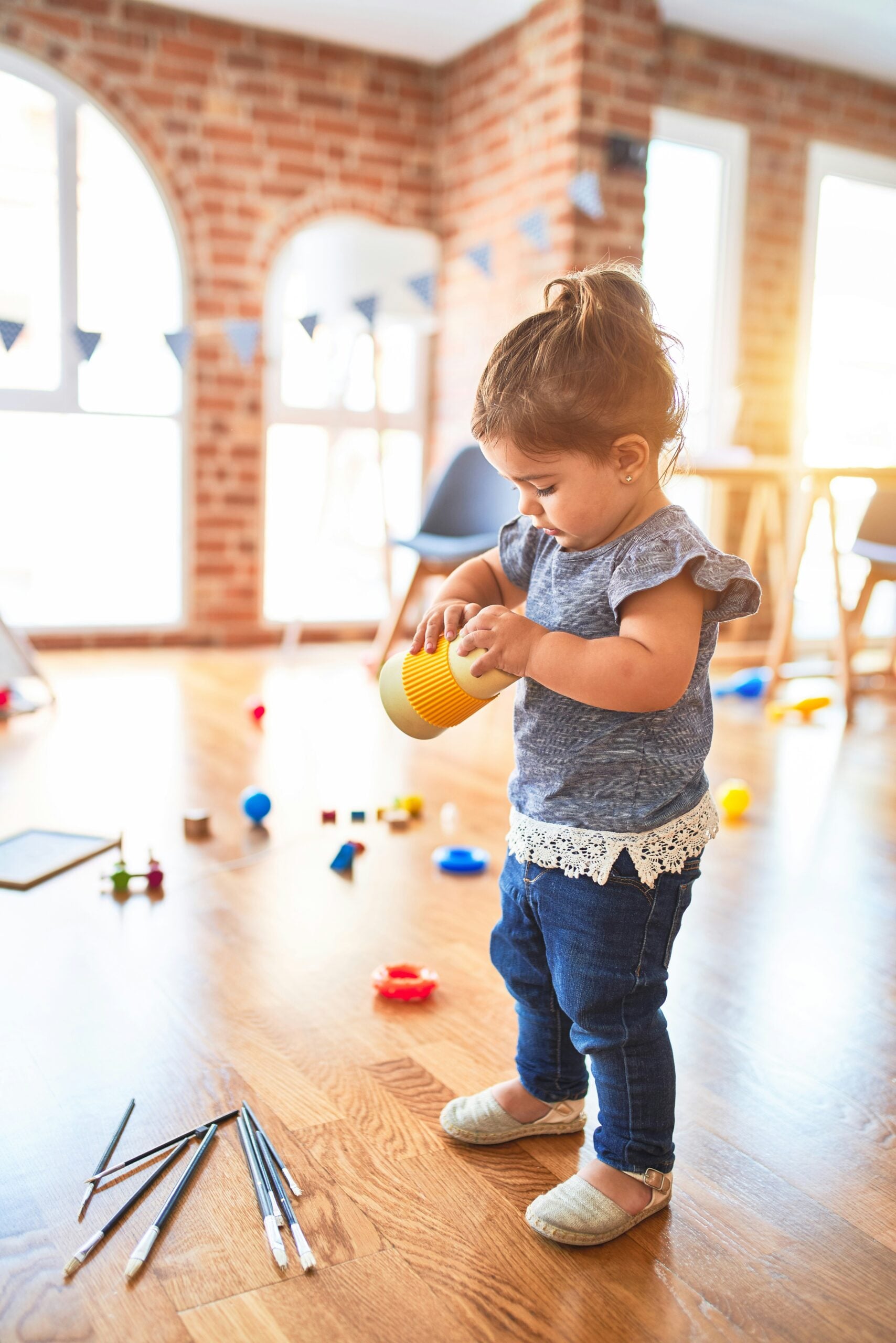
Even your grandchildren with the smallest hands and shortest attention spans can be big helpers. Toddlers want to feel involved, and most of us hear the constant refrain, “I can do it myself!” from their little voices. So, let them! Chores don’t necessarily feel like chores to their small brains. Just remember to keep their jobs short and to always supervise your little ones.
Put Away Toys and Books
To help your youngest grandchildren learn to tidy toys and books, try “I spy. . .” hunts or freeze cleanup. For “I spy. . .” you say, “I spy two Hot Wheels cars,” or whatever the items are that need to be put away. Suddenly you’ve made a game from what could have been a boring task. For freeze cleanup, play one of their favorite songs and pause the music every now and then. Teach the toddler to freeze like a statue anytime the music stops.
Gather Dirty Clothes
Little bodies aren’t coordinated enough for most jobs, but they can definitely help pick up dirty clothes and put them into a hamper. For extra fun and engagement, let them try to beat a timer or play basketball, where they try to toss the clothes into the hamper from a short distance.
Dust
Dusting is maybe my least favorite cleaning job, but it’s so simple that even the youngest grandchildren can do it. Give them the task of dusting low surfaces, slide a sock over their wrist, and watch them go.
Wipe Up Spills
Spills happen in every household, but when you have small grandkids around, you’re bound for your fair share of drips and spills. Try your best to stay calm and to remind your grandchild that accidents happen. You can help them start to learn accountability by having them clean up while also making it fun so they don’t feel embarrassed or ashamed.
Try the hungry sponge or cloth monster, who is so thirsty he wants to slurp up all the liquid. Just don’t forget the drinking noises when he does! You can also call in a rescue mission, where the cloth is a tow truck, firetruck, or rescue boat clearing the space so there is room for the other vehicles to move again.
You could even use the “magic” towel that makes spills and puddles disappear. Your surprised reaction when it cleans up the mess is the real crowd pleaser here.
Ages Four to Five
Photo: Kampus Production / Pexels
Once children turn four or five, they start to understand concepts like responsibility and can begin to follow simple, few-step routines. You can still use the same playfulness that you did with toddlers but with slightly more difficult jobs!
Make the Bed
I remember my mom telling me the story of how she got in the habit of making her bed every day. One morning my grandma asked her several times to make her bed before it was time to leave for school. Apparently this was a repeated issue. Whether out of defiance or distraction or whatever else, by the time my mom stepped onto the bus to head to school, you guessed it, she had not made her bed.
Well, a couple minutes into her class, the intercom came on in her classroom, asking for my mom to come to the principal’s office. The woman on the intercom continued to say, “Her mother is here to pick her up and take her home and make her bed.”
My mom was so embarrassed, but she never missed making her bed again.
I love and adore my grandma. Yes, she’s strong willed and expects things to be done right; but, she’s not cruel, and she doesn’t find joy in embarrassing others. So, I have to assume that she has just mellowed over time. Looking back on the story, it was funny to all of us, including my mom, so I guess my grandma’s tactic worked.
Still, maybe you can come up with a fun way to teach your grandkids to make their beds just a tad more gently.
Set and Clear the Table
One of the benefits of having children set the table is you also get to teach them some basic etiquette. Which fork goes where and why. Where to put the glass, and how to fill the cup with it in your hand so it doesn’t possibly spill everywhere. Okay, well maybe don’t have them fill the glasses. Reserve that for your bigger grandkids.
Teaching your young grandkids about setting the table is also a great opportunity to teach them about treating nice things carefully. You can choose to use your nice dishes and help your grandchildren realize why they need to carry them carefully. Especially if the dishes hold sentimental value or have been handed down, go ahead and give them the family story! Sharing these stories helps them feel connected to you and your family culture.
Alternatively, have them set just their parts of the table with kid-friendly dishes and explain the difference so they can learn to appreciate what is and isn’t fragile.
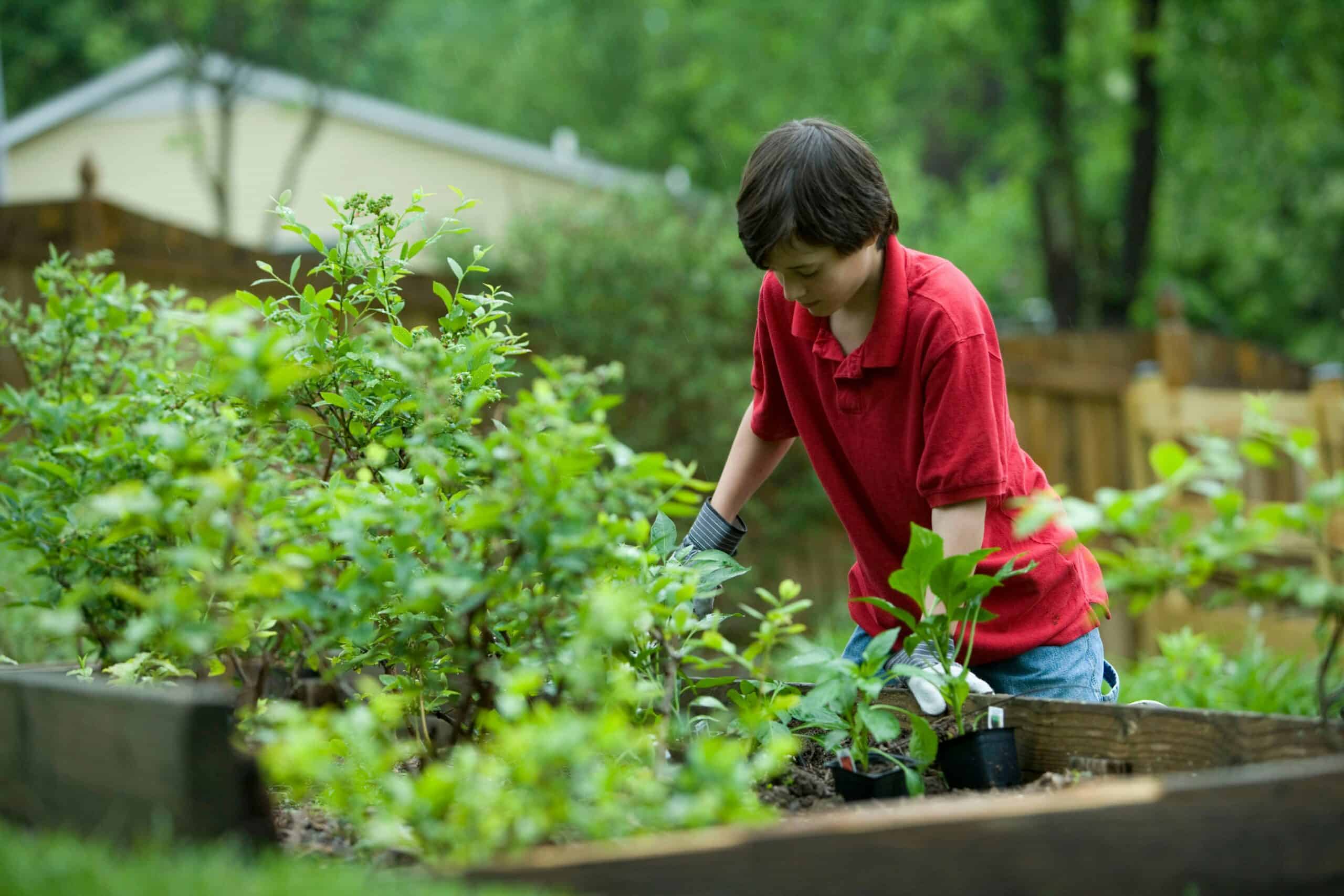
Water Plants
We’ve all seen the divots in the dirt where someone has watered one spot by a plant into oblivion. It’s a crater, and often a soggy crater at that. Even worse is when you have a hole like this but a few inches or feet away the rest of the dirt looks dry, the plants thirsty.
Here’s your opportunity to save another garden bed from this fate! Take your grandkids out with you to water the plants, whether you have a large garden, some pots, or only a few small, indoor herbs. Small children especially love to watch for how plants grow, and, in my experience, smell them any chance they get.
Match Socks or Sort Laundry
Stand around the bed and chat as you sort laundry. It’s easy enough for little ones to pair together matching socks, even if they have to check with you every now and then.
Ages Six to Eight
Photo: Gustavo Fring/ PexelsSix- to eight-year-olds feel like very little kids to me still, but their capabilities to follow through on multi-step tasks or basic outdoor chores really bumps up at this age. For example, they are probably old enough to handle tasks like maintaining a whole bedroom well, but that doesn’t mean you won’t ever have to break it down into smaller pieces for them.
This is an age where your grandkids may also enjoy using a chart to track what they’ve accomplished. You know how good it feels to draw that line through a task on your to-do list. Kids will love it too.
Put Away Groceries
Careful with the eggs, and leave the heavy items for you! Otherwise, let them help bring in the rest of the food you got at the store. Kids love to see what you got. Pro tip: ask to see their muscles when they’ve brought in the last bag. They’ll love it.
Empty Trash Cans
I’m not talking about the big kitchen trash can. Those little bathroom trash cans, on the other hand, are ideal for six- to eight-year-olds to learn how to change the trash. Help them learn to tie it up without losing any of the items inside. You’d be surprised how hard this can be for kids who aren’t completely coordinated yet. Then don’t forget about the new bag.
Fold Simple Laundry
Some of your young grandkids may handle folding all sorts of laundry, having practiced with folding their own clothes or pajamas as part of their morning routine. For those who feel overwhelmed by laundry, start off with simple items, like towels, washcloths, or pillow cases.
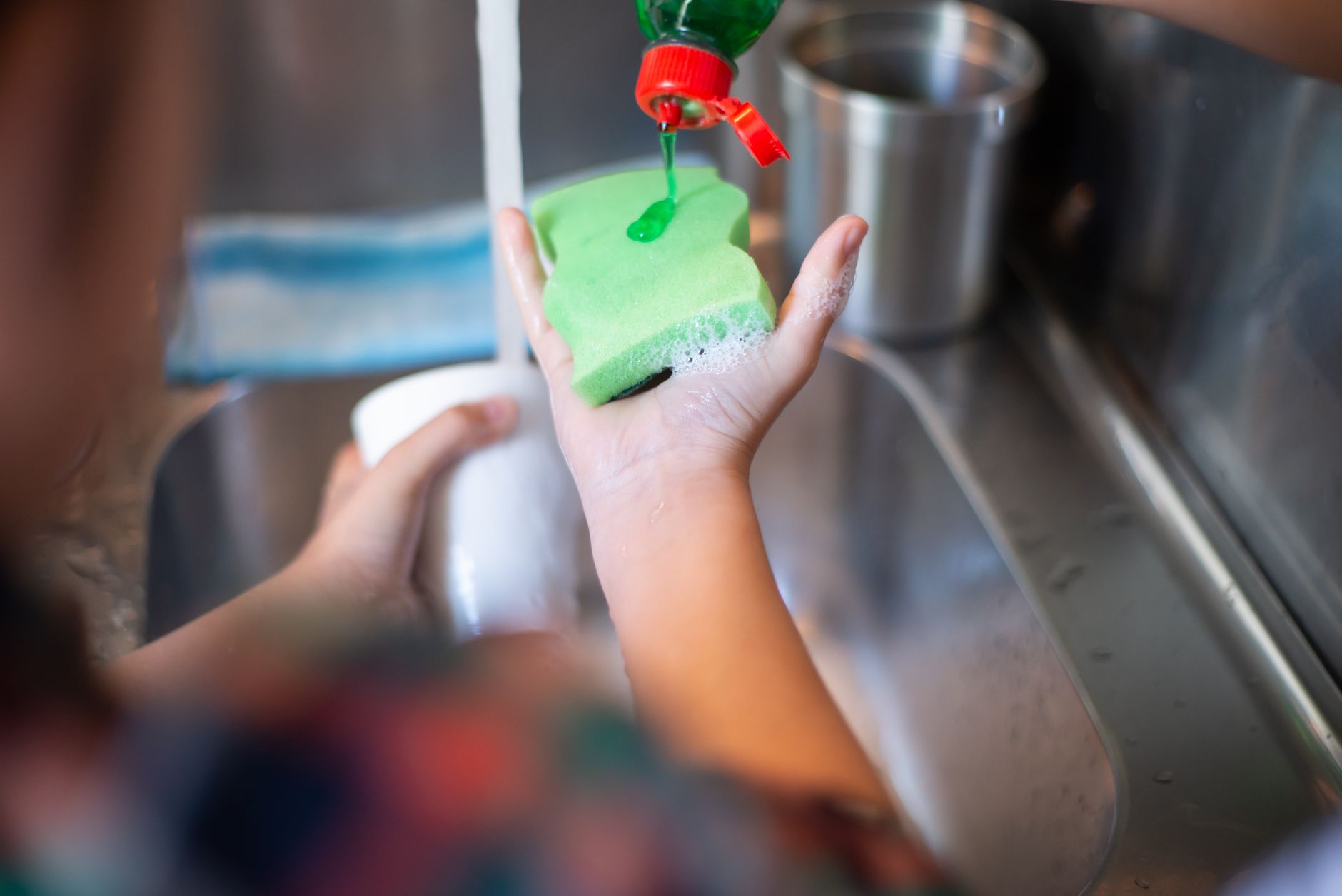
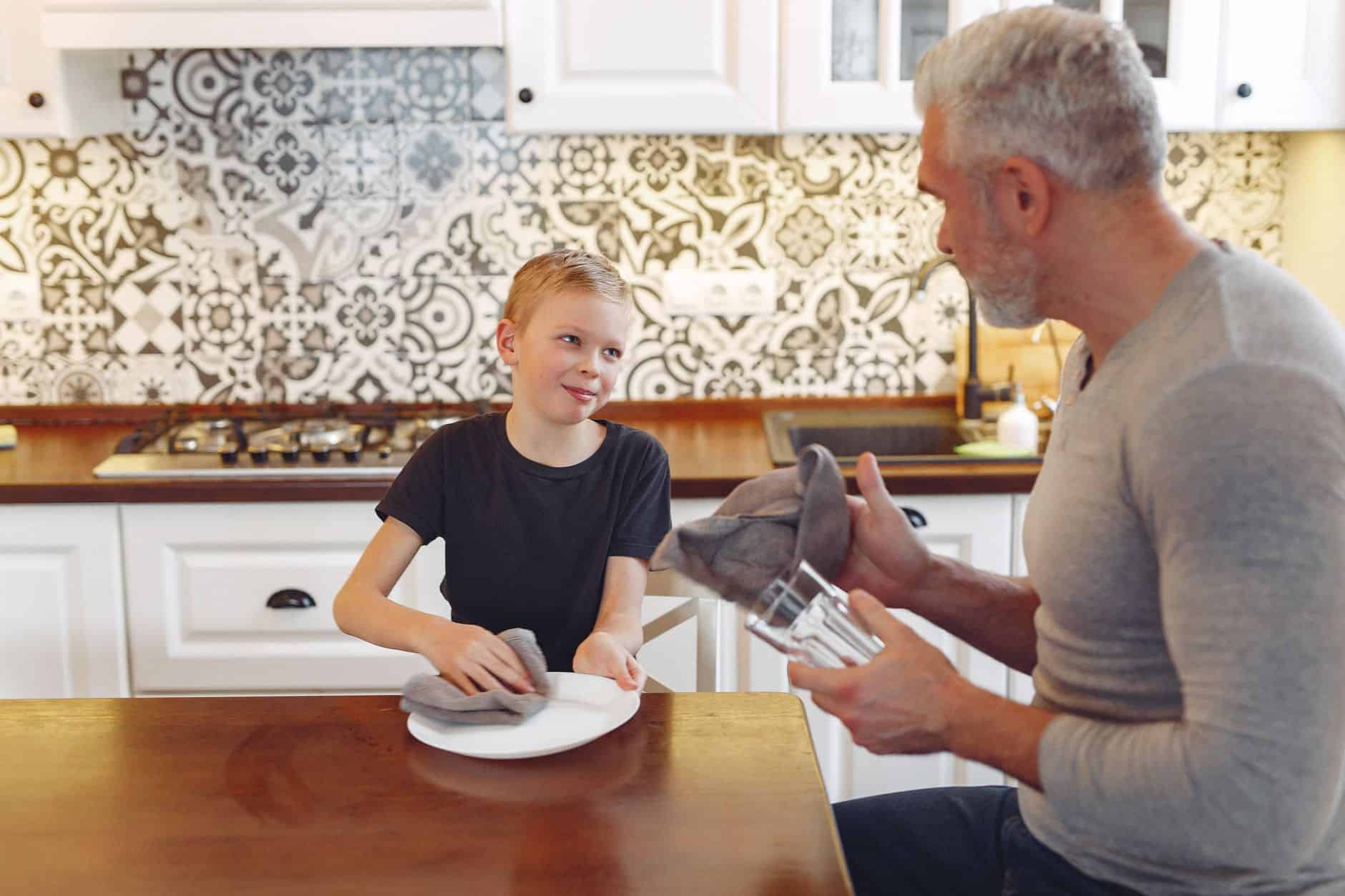
Load or Unload the Dishwasher
If letting them unload the entire dishwasher feels too risky to you, pick just one section for them. My kids always start by learning to put away the silverware.
Ages Nine to Twelve
Photo: Gustavo Fring / Pexels
Once they’ve moved to this stage, your grandchildren can often complete quite a few household chores independently. They’re transitioning into more maturity (I know, sometimes it doesn’t look like it!) where they can handle project-based work, like raking leaves or washing the car, not just quick microtasks like putting away the clutter on the counter.
Do full laundry loads
Teach your grandchildren the whole process of doing laundry. Help them know how to sort the laundry before it goes into the washing machine. Teach them what should never go into the wash and how to hand-wash items that need it. They won’t know how to use the washing machine and dryer until someone shows them. Help them know how much soap they really need.
Once everything has been washed and dried, they can fold the laundry and put the folded piles where they go. It’s certainly a project but not one that’s too overwhelming for this age.
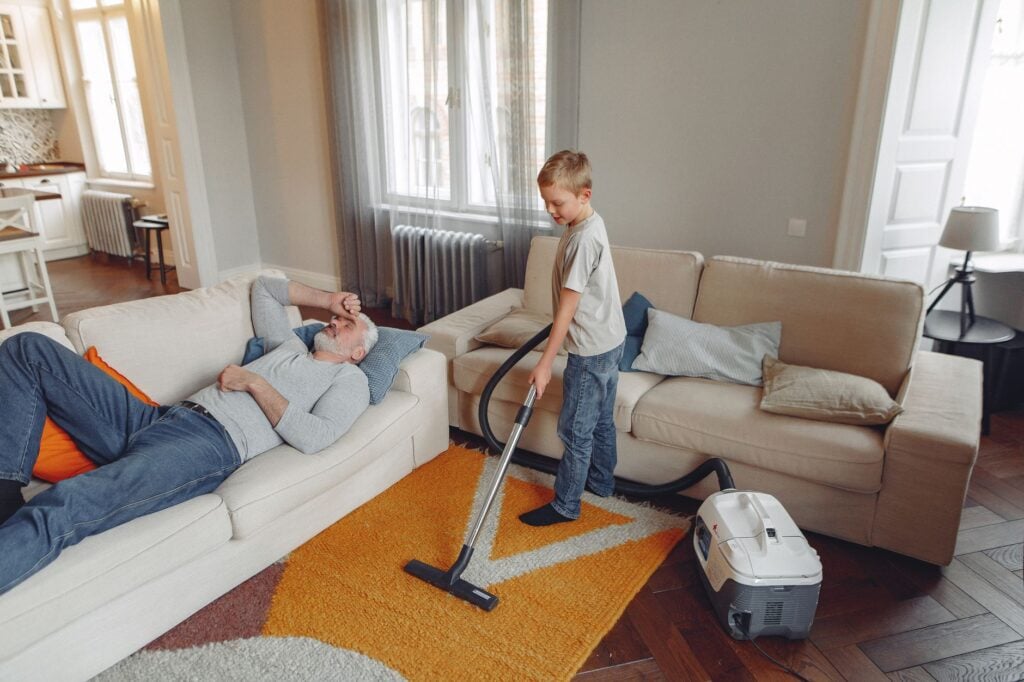
Vacuum or Mop Floors
Teach them those crisp lines with the vacuum and how to scrub with the mop, not just slosh drippy water around.
Prepare Simple Meals or Snacks
Your grandkids may actually really enjoy this one. Before this age, almost all the food choices seem to depend on what you or your grandchildren’s parents decide. Suddenly they have the chance for a little autonomy!
Start with something easy, like an afternoon snack; progress to teaching them how to pack their own lunch; and eventually teach them how to make a simple but delicious meal. While you’re teaching them about food prep, you’ll also get to teach them how to properly use the appliances in the kitchen, from how to start the dishwasher to how to use the oven.
Walk the Dog
Give clear guidelines on where they can and cannot go, and ensure they will actually clean up after the dog if needed, then off they go!
There isn’t necessarily a great way to make the chores for older grandchildren “fun” in the same way you could for younger grandkids. The freeze to the music thing really doesn’t work on teens. But you can use the time they’re working on higher-responsibility tasks and larger weekend projects to connect. Go ahead and turn on an audiobook that you’ve chosen together while you cook dinner. Find a show you’d both enjoy while one of you irons and the other folds laundry.
Our tips for the jobs below are minimal. What can we say? With you as they’re grandparent, they’ve probably got the hang of these tasks.
Clean Bathrooms
They may grumble about this job, but they’ll thank you once they’re at college, sharing a bathroom with a bunch of roommates and they don’t have to guess about what is and isn’t clean.
Plan and Cook Full Meals
Allowing your teen grandchildren to fully plan and prepare meals teaches them more than just cooking skills. With your help, they can learn how to budget for their grocery shopping and how to find the best ingredients. They can learn to shop the pantry first and use items in time so nothing goes to waste. They can learn about nutrition and what is in their food. You might even teach them about the traditional way your family has made certain dishes or the culture your family has around food.
Mow the Lawn
I always loved mowing the lawn, and I think most teens feel the same. It’s alone time to just think or to listen to a good playlist, catch up on a fun audiobook, or find a new podcast. It’s like driving out in the sunshine. Just don’t let them go out without their sunscreen, no matter how much they want to get a good tan.
Iron Clothes
Help your grandchildren know how to check the material of their clothes and adjust the iron settings. I sure hope I’m not the only one who has melted an item or two before. . .
Tips for Grandparents
Photo: cottonbro studio / Pexels
I remember one year being at my grandparents’ home for Thanksgiving. Our family is big, so everyone helps with meal prep and cleanup. One of my cousins was helping to set the table when he accidentally dropped one of grandma’s beautiful ceramic serving dishes.
Without batting an eye, grandma said, “It’s okay,” and gave my cousin a pat on the back before bringing the broom over. She knew the child was more important than the thing. The experience was more important than the task. . . And I suspect grandpa quietly replaced the item sometime.
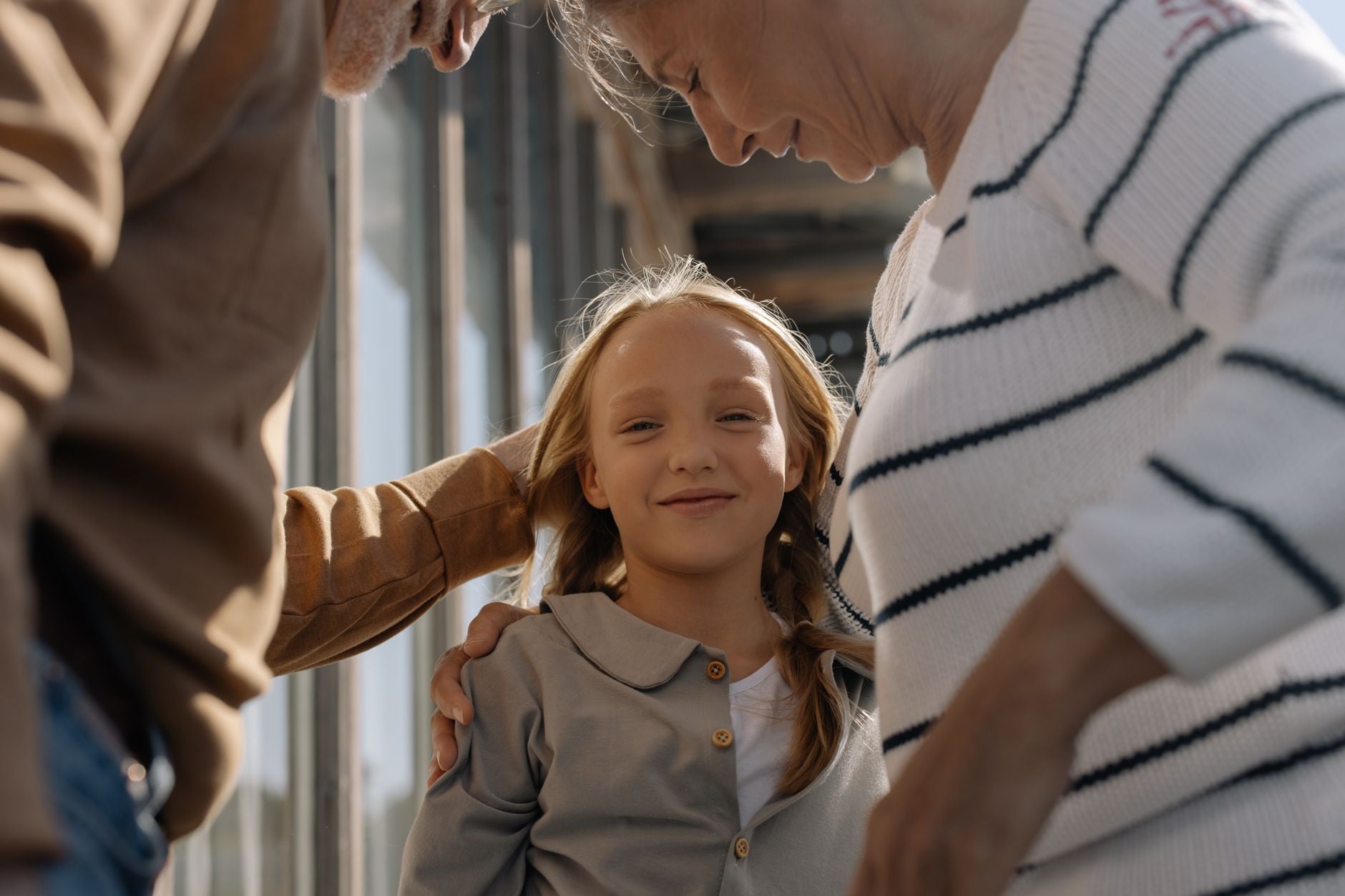
Whether you’re stepping in to help your teenage grandchild who feels completely lost in the kitchen or who has never learned to dust or you’re helping your youngest grandchild learn to care for their things by putting them where they go, your influence makes a difference.
Always start by demonstrating the chores first. This helps the job seem less daunting and gives you a better chance of having the chore done how you’d prefer. Work alongside them until they figure it out on their own. And remember you’ll have to be patient. Especially as they learn a new skill, you’ll have to focus on praising their efforts rather than expecting adult-level skills.
When all else fails, choose to laugh together. And remember: you don’t have to be perfect either. After all, you’re learning too.
GET THIS FREE COURSE ON HOW TO START A BLOG DELIVERED TO YOUR INBOX
I'll walk you through the process over the next 7 days!
we do not spam, and you can unsubscribe at any time, from any email.
LEARN HOW I MAKE MONEY WITH MY BLOG
GET ACCESS TO MY 2019 + 2020 BLOG INCOME REPORTS
I don't post these publicly anymore - for many reasons - but I'm making them available to subscribers to my newsletter, because they're solid proof that you CAN hope to earn a decent income with a blog in 2021!
we do not spam, and you can unsubscribe anytime
START A PROFITABLE BLOG - GET MY FREE STEP-BY-STEP E-COURSE FOR BEGINNERS DELIVERED TO YOU OVER THE NEXT 7 DAYS.
get the course straight to your inbox:
we do not spam, and you can unsubscribe anytime
IMPROVE YOUR PINTEREST TRAFFIC FOR FREE RIGHT NOW:
SUBSCRIBE AND I'LL SEND YOU MY PIN TEMPLATE STARTER KIT: 11 GORGEOUS PIN TEMPLATES, MY PERFECT PINS CHECKLIST, AND SOME OF MY BEST TIPS THAT YOU CAN IMPLEMENT FOR BETTER PINS IMMEDIATELY.