
Last month I dyed a dress dark green for part of a Halloween costume. I rinsed the excess dye and then washed it on its own according to the instructions. But after wearing the dress while chasing my kids around as they were trick-or-treating, it was dirty and needed another wash.
As I tossed the dress in the washing machine with other colored clothing, I wondered if I needed to wash the dress again separately. I washed it on its own already, and it wasn’t bleeding anywhere then, I thought. It should be fine.
Well.
When I opened up the washing machine to change the loads, what do you think I saw? A bunch of just-washed clothes that were suddenly all green-tinged. Luckily the load had mostly items that didn’t show the difference, like jeans, but last-year’s Christmas pajamas were suddenly looking a lot more festive. My baby’s cute fall top now looked dingy.
Don’t be like me and accidentally put items in the washing machine that you think are fine only to find out afterwards that you’ve now ruined your clothes. We’ve compiled a list of 20 things you should never put in the washing machine, and some of them might surprise you. Just call me the laundry superhero, here to save your wardrobe from certain disaster.
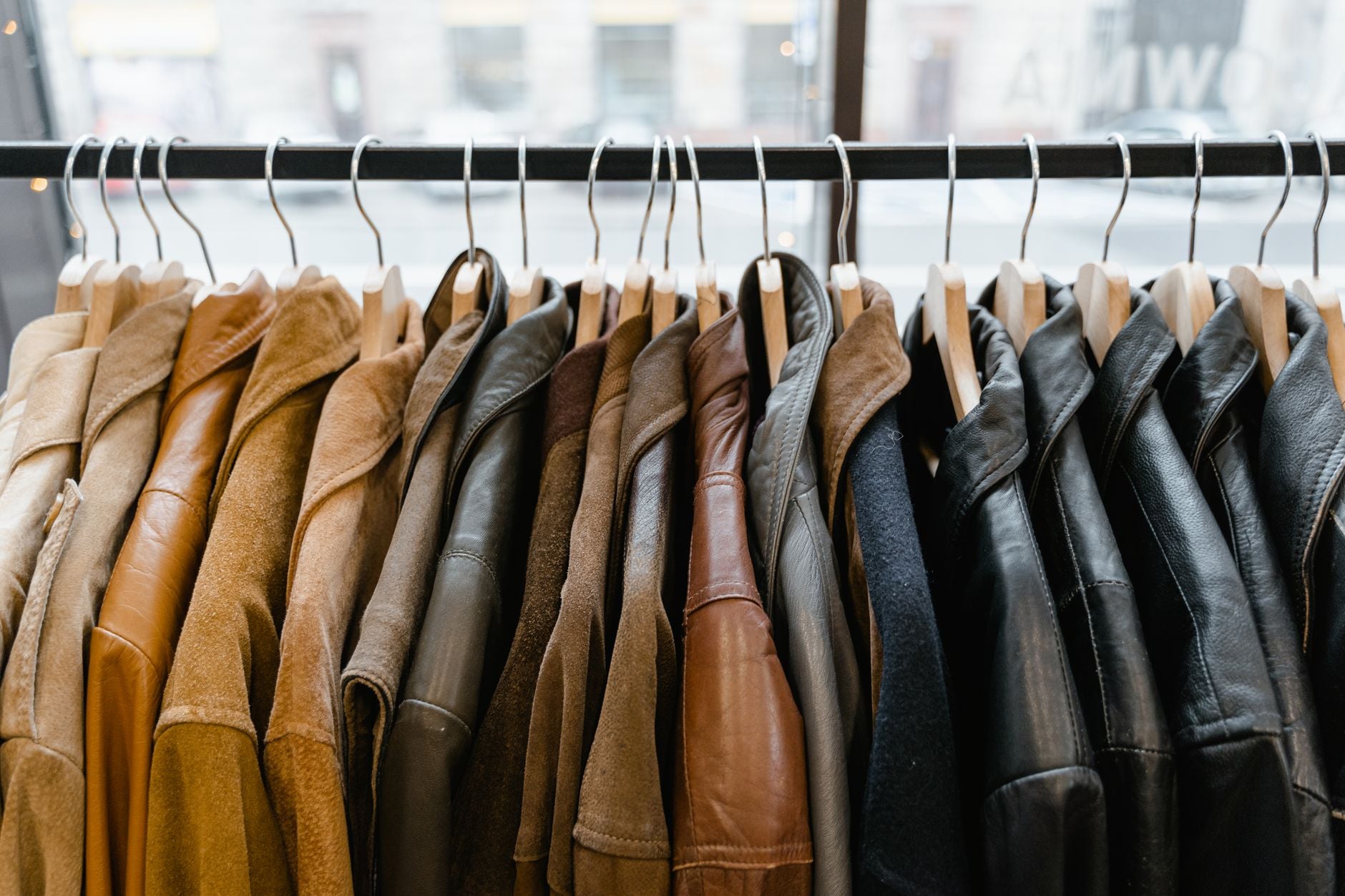
Leather and Suede
Memory Foam Pillows

Go ahead and wash the exterior cover, but never the actual pillow. The heavy tumbling and spinning that happens in a washing machine can easily tear apart the memory foam, leaving your trusty pillow a lumpy, ruined wad.
Loose chunks from the pillow can also clog up your washing machine. For small messes, spot clean your pillow using mild dish soap mixed with lukewarm water. Blot or gently scrub the stain. Alternatively, you can spray the stain with 3% hydrogen peroxide or stain remover, like oxy clean, then blot it away with a damp cloth.
If your trusty pillow needs a deep clean, fill a bathtub with water and mild soap. Put the pillow completely under water and squeeze it to allow water through. Never twist the pillow, since it will tear just like it would in a washing machine. Rinse the pillow until there are no more suds, and wrap it in a clean towel, pushing down to get out the extra water.
Never put your pillow in the dryer either. Let it air dry on a flat, clean, well-ventilated surface.
Flammable-Stained Clothing
To avoid damage to your machine and danger to you, always let your clothing air out, preferably overnight, until the liquid and fumes dissipate completely. If there is a visible stain, gently blot (don’t rub!) it with a damp rag. Even better, use a strong dish soap, like Dawn, that can cut through grease, and let it sit on the stain for half an hour.
Next, handwash your clothing with warm water and heavy-duty soap. Let it air dry again. If all traces of flammable liquid are gone, including lingering smells, you should be good to use the washing machine the next time.
Hair-Covered Items
One of the most important parts of learning to horseback ride happens off the horse’s back: learning to groom the horse properly. Grooming can get pretty messy. You’re scrubbing off caked-on mud, detangling snarly manes, and picking out dirt and more from their hooves.
The first brush you often use is called a curry comb, which helps essentially exfoliate the dirt and shedding hair. Often in the spring, I would leave the barn with a winter coat’s worth of hair stuck to my riding gear.
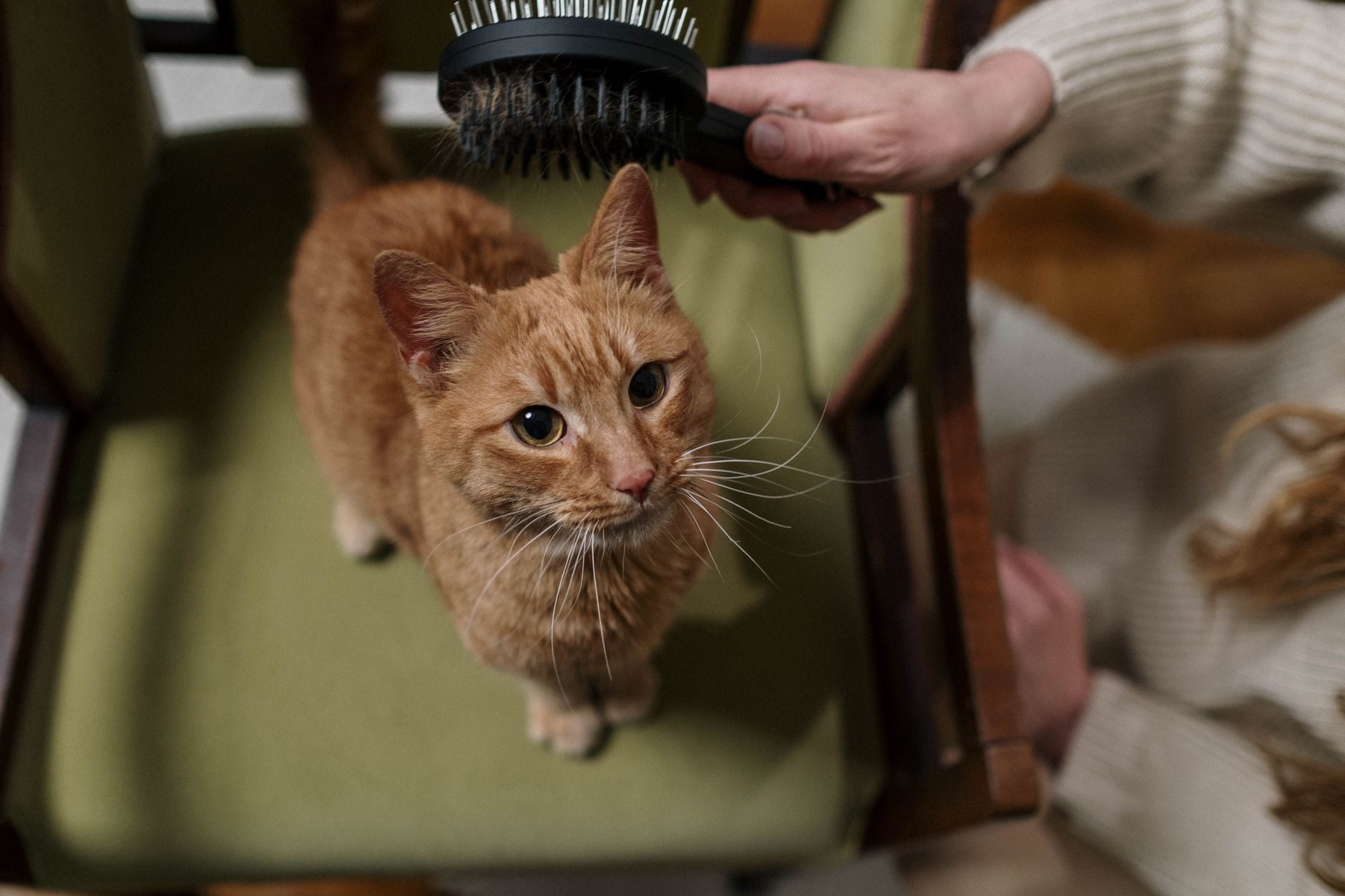
Unless you’re allergic to pet hair or dislike animals (no judgment!), most of us have had the experience of snuggling up with our dog or petting the cat only to see afterwards that we are covered in pet hair. You may be able to wipe some of it off, but that stuff is clingy.
As much as we might want to just throw that hair-covered top in the washing machine, the fur won’t magically just wash away. It can actually clump and stick to the drum of your machine and even clog the drain pipes. Always use a lint roller to remove as much fur as possible, or run the item through a cool, no-heat dryer setting before washing.
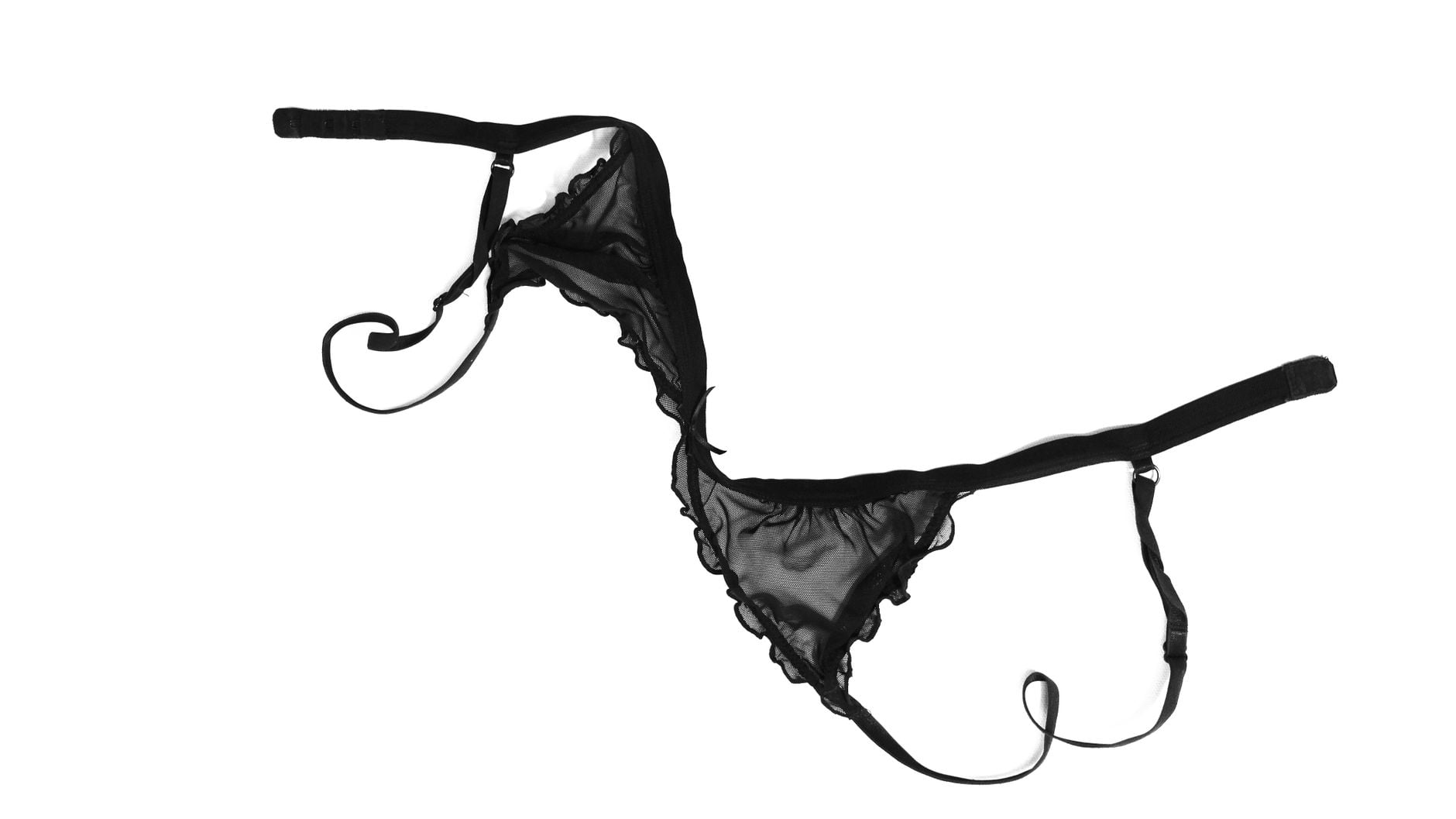
Underwire Bras and Lingerie
Swimwear
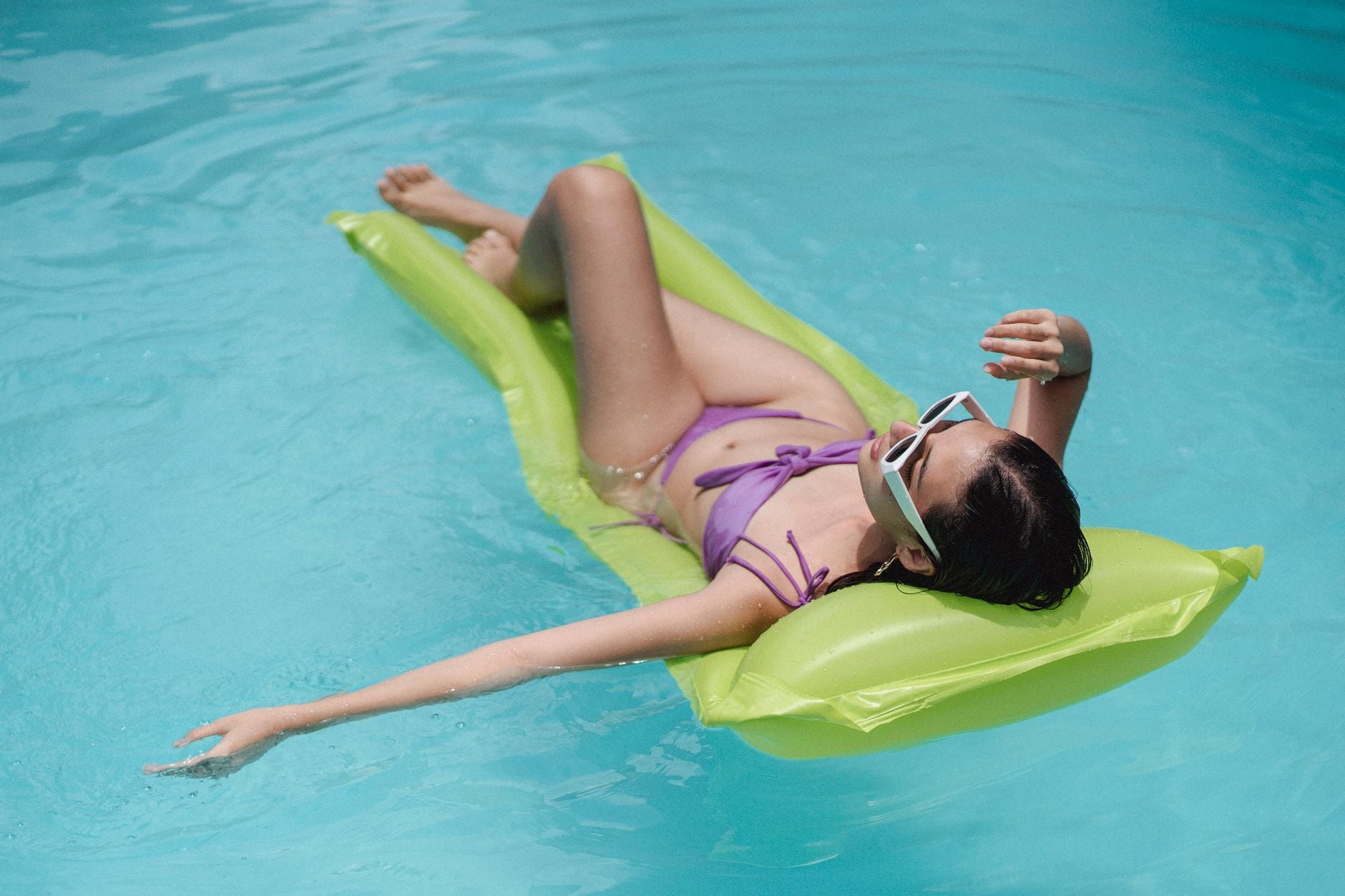
Either way, the combination of the chlorine, salt, and agitation from the washing machine can break down the spandex and stretch in simsuits, so handwashing them in cool water helps them keep their shape.
Suits and Structured Blazers

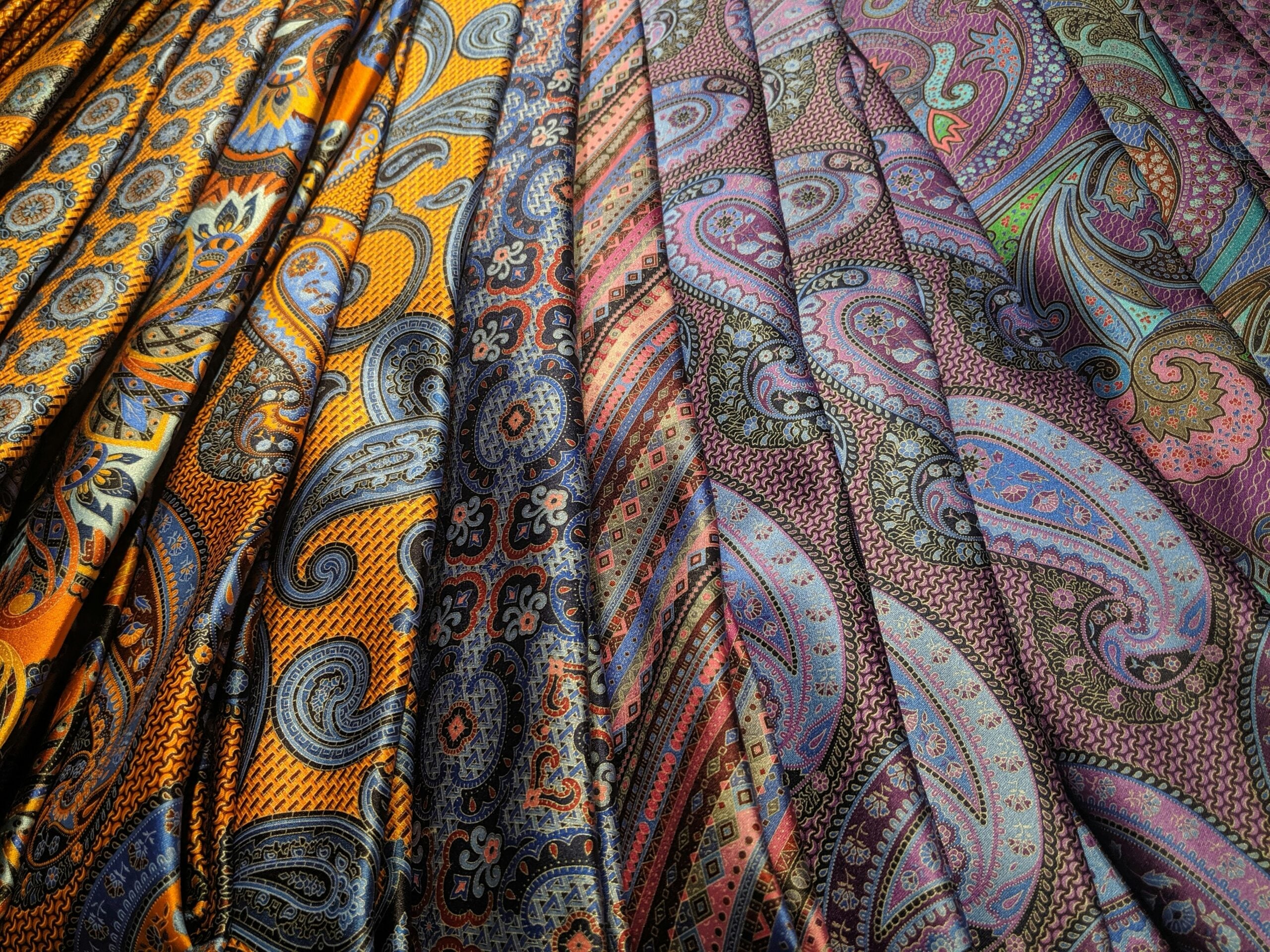
Neckties
Coins, Keys, and Pocket Clutter

Wool
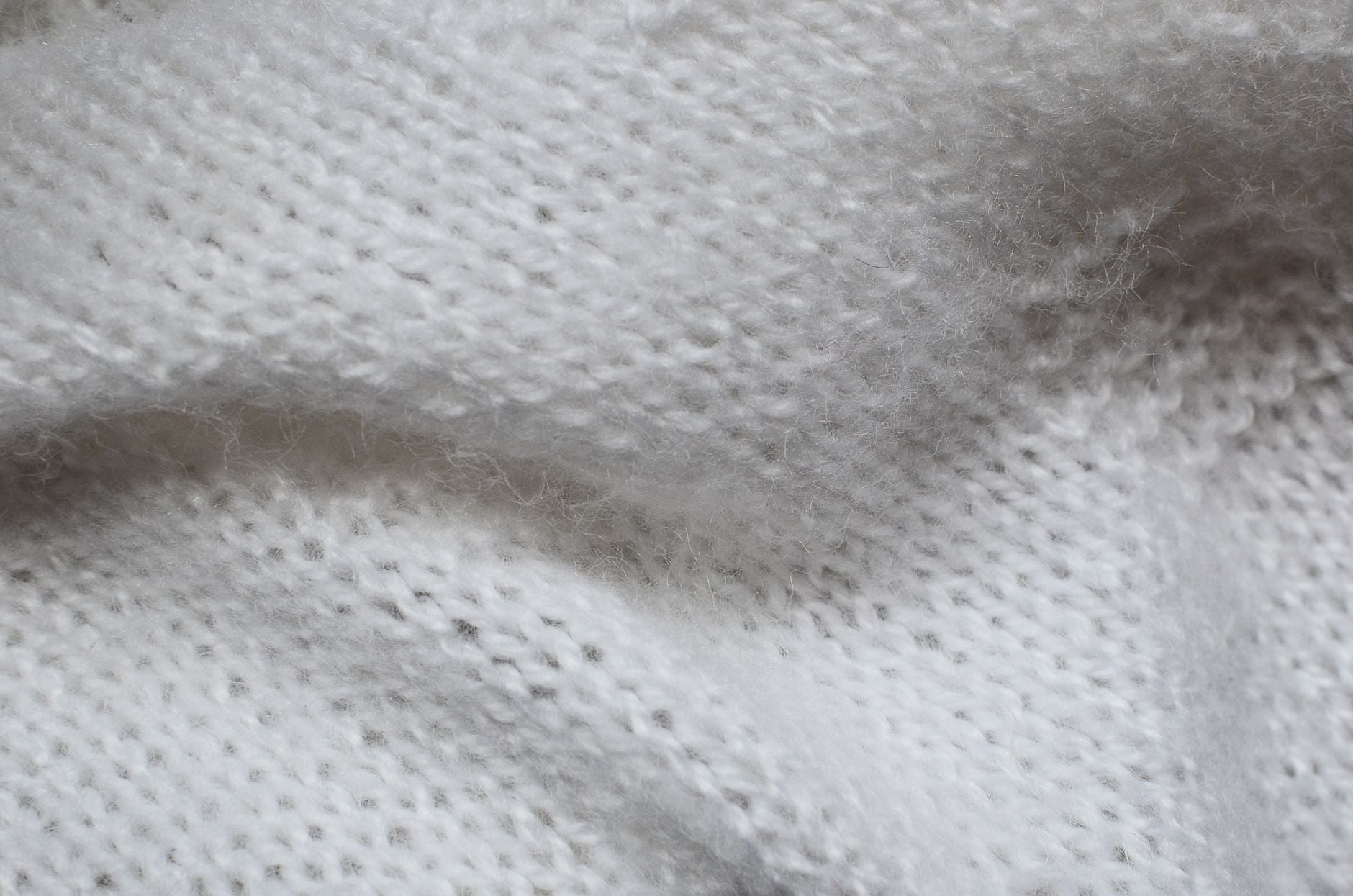
Since then I’ve learned to always, always handwash my wool items. I just use soap and cool water in the sink. After that, I squeeze out the extra water. Never wring out your wool clothing! To dry your wool, lay it flat on a towel, and roll it up, squeezing out any leftover water.
Then, let the item air dry flat. This helps it to retain its shape and fiber integrity.
Cashmere
Silk
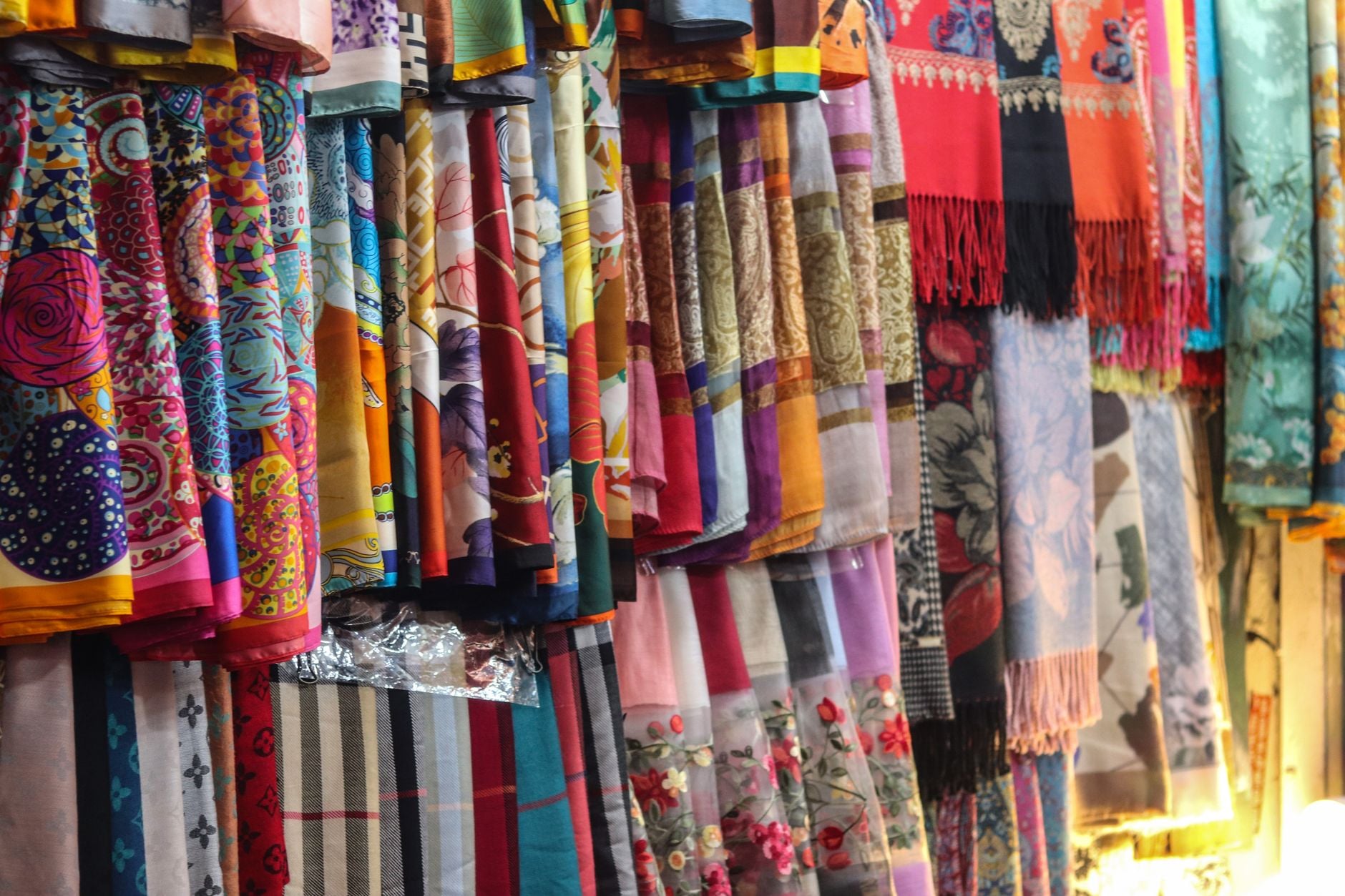
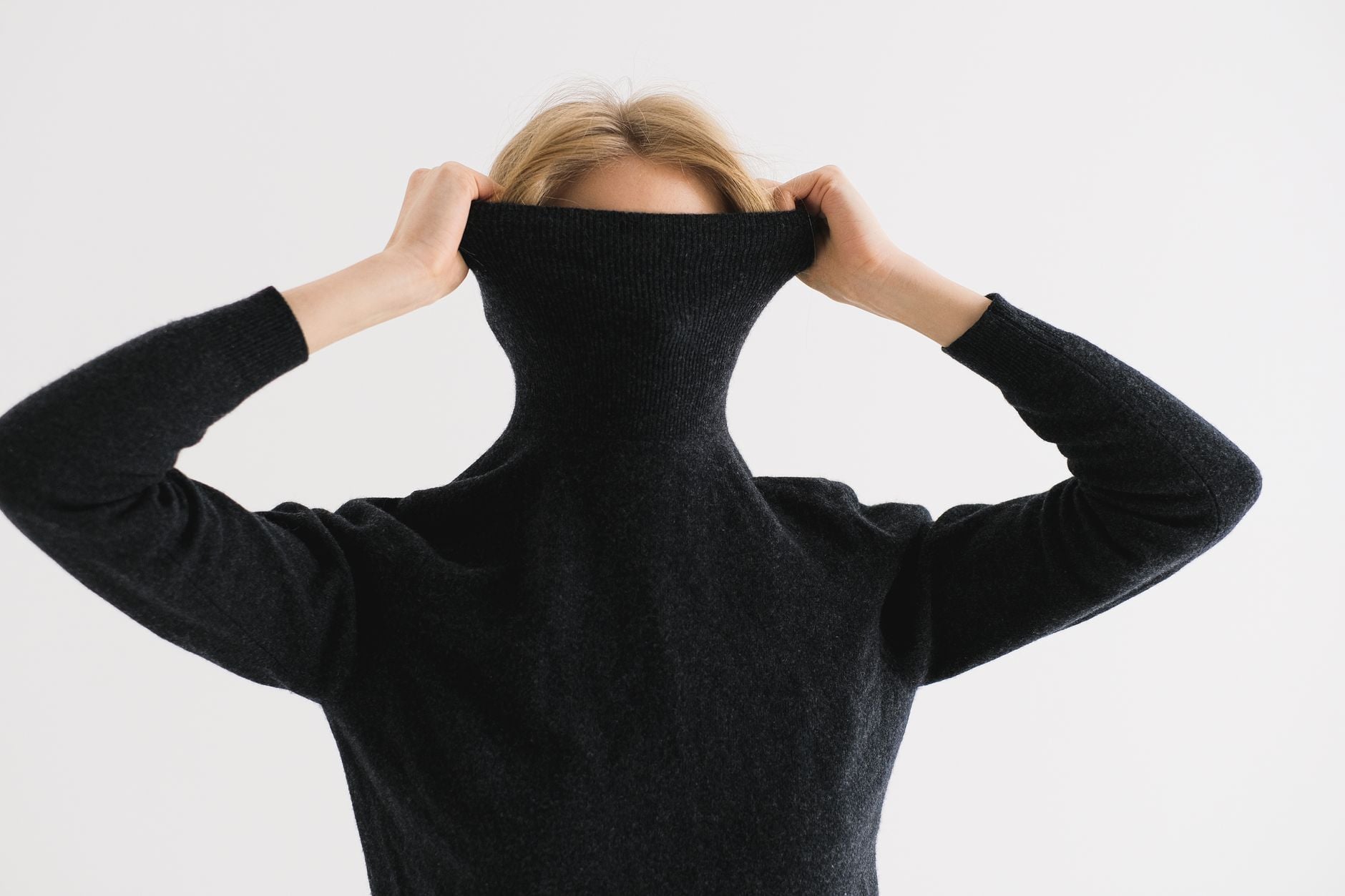
Silk fibers are made of proteins that become more fragile when wet, so the rough tumbling and spinning from washing machines can break down or stretch out the fibers, permanently distorting your clothing. Most detergents are also not sensitive enough for silk and can literally dissolve and fade the fibers.
Silk threads also pull together in what’s called relaxation shrinkage when they get wet, so that structured blouse could completely lose its shape.
Some Sneakers
Clothes with Embellishments
Rubber-Backed Mats
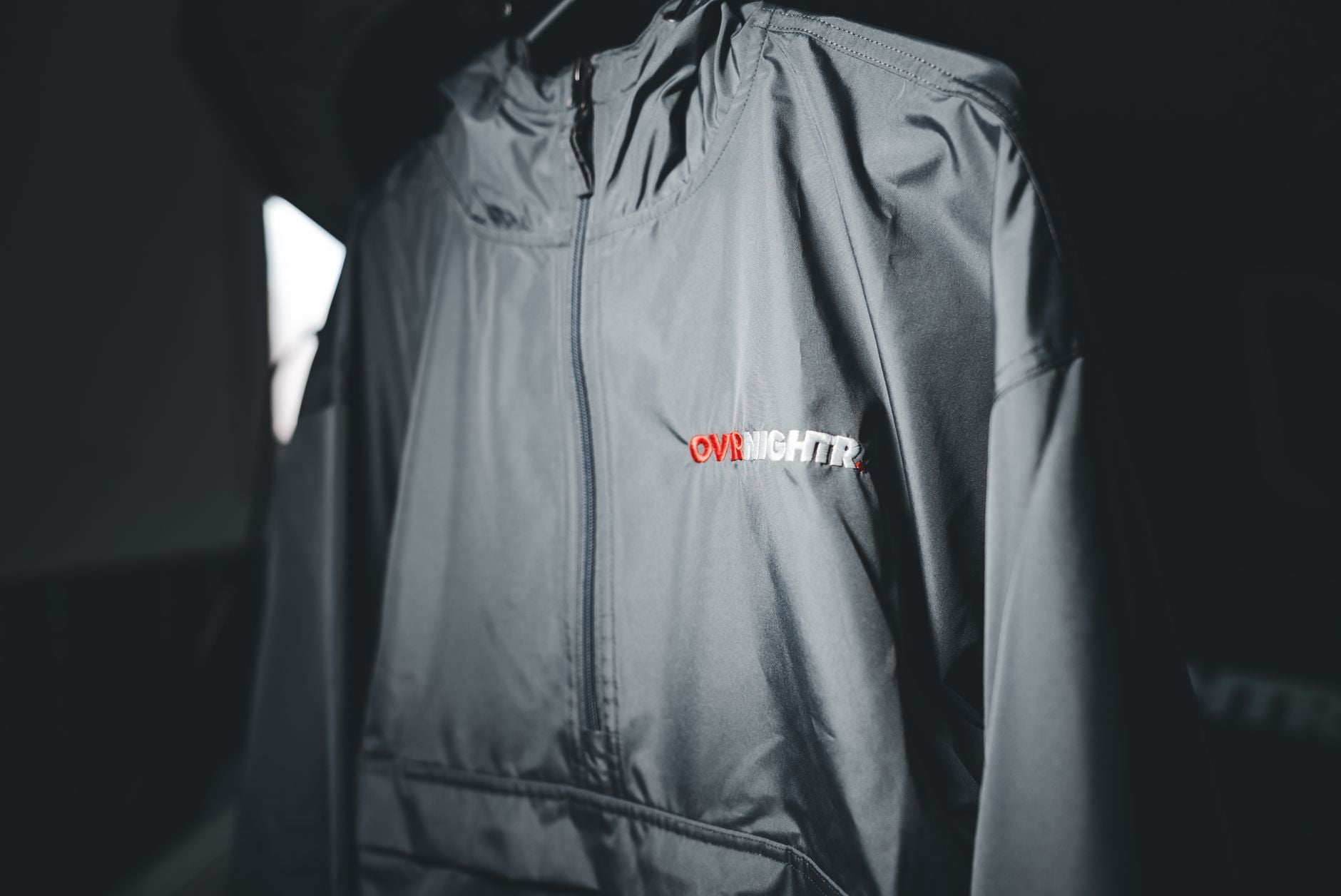
Waterproof and Windbreaker Outerwear
Baseball Caps
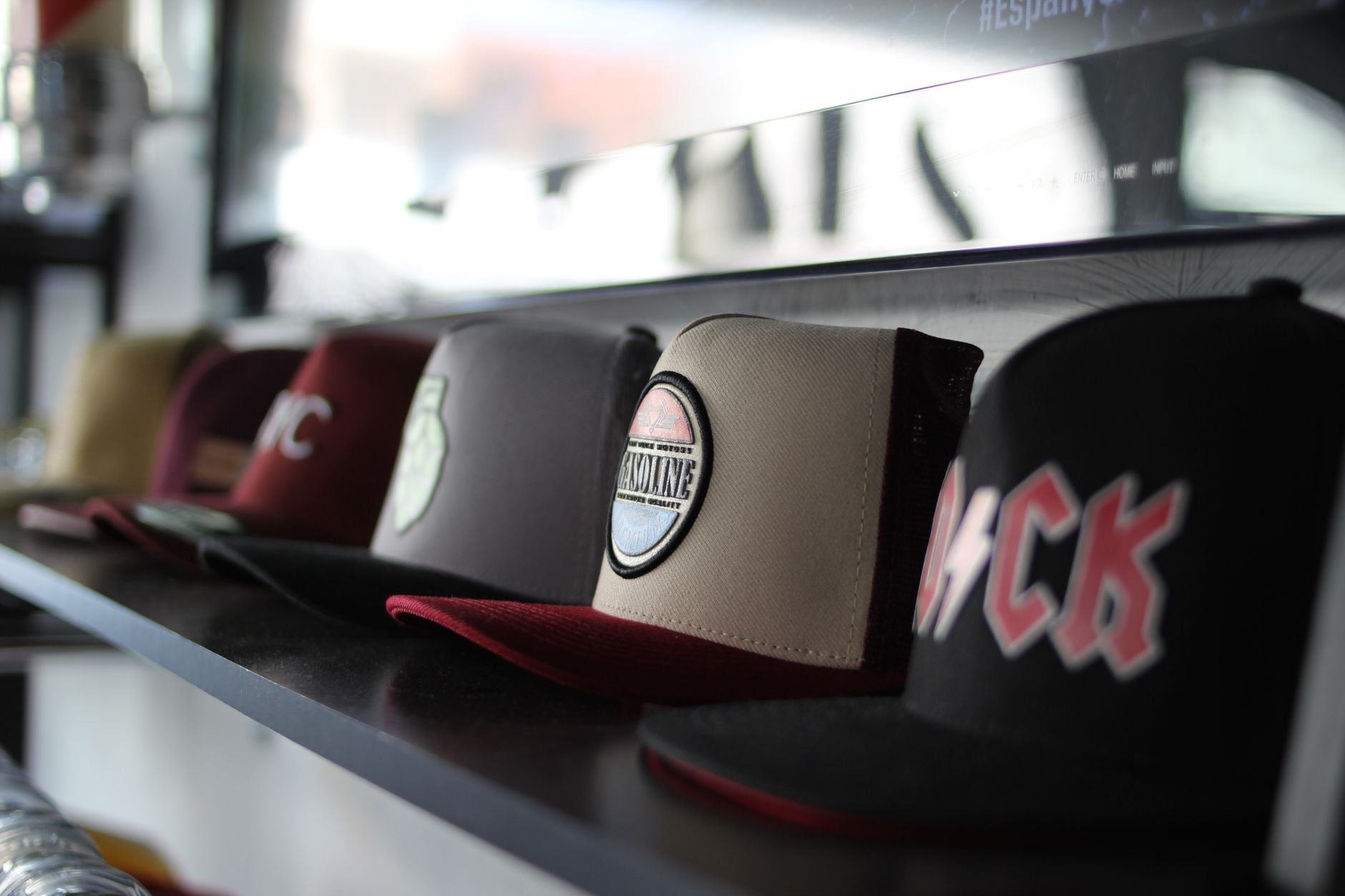
If you’re wearing one often though, you’ll have to wash it out to keep it from retaining sweat, oils, or makeup.
Before washing, make sure you know what material is inside the brim. Most modern brims use plastic, but vintage hats often used cardboard, which shouldn’t be submerged.
If your hat’s brim is plastic, handwash the hat in lukewarm water in the sink with a bleach-free laundry detergent. Let it soak for about 20 minutes before rinsing it out. Let it dry on a rounded object to help maintain the its shape.
Weighted or Very Heavy Blankets
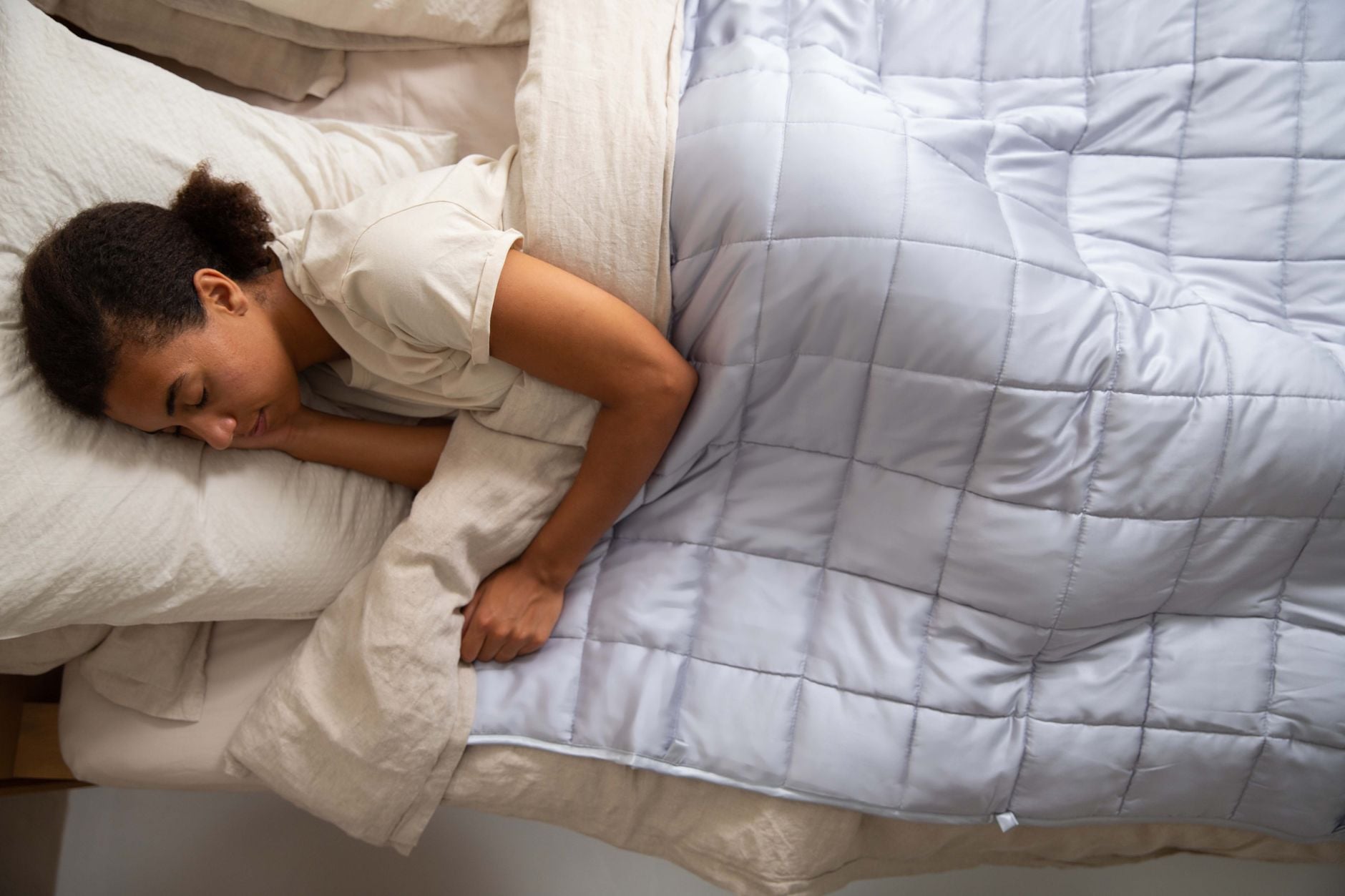
But before you call the appliance repair technician or the ghostbusters, check your load. Whenever I’ve had a demon-like washing machine, it’s usually because I’ve added one too many towels to the load or thought I could toss a blanket in.
The problem is when those big, heavy items get wet, they just get even heavier, sometimes absorbing so much water they even triple their weight. This causes imbalance in the machine, and thus the terrifying noises. If your big, heavy blankets need a wash, take them to a commercial laundromat, or handwash them in a tub.
Items Labeled Dry Clean Only
Clothes that May Bleed

When my husband was in medical school, he got an official white coat from his school that he had to wear for certain events and procedures. Each medical student only got one of these white coats, and it was embroidered with the student’s name above the institution’s.
One day he mentioned that he had official school pictures the next day and he needed to wear his white coat. Well, there were only two items that needed washing: his white coat, and a massive, blue throw blanket. Without a thought, my husband put them both in the washing machine together and started the load.
As you can expect, in an hour, the white coat was no longer white. That official, irreplaceable, name-embroidered white coat had deepened to a dingy, gray-blue. We were horrified.
So the white coat immediately got another bath, this time in the kitchen sink with inordinate amounts of bleach. It soaked like that for several hours as we looked on in worry. While I wouldn’t say it ever got back its crisp white, it was white enough for pictures the next day.
“Clothesing” Up the List
I am so grateful I don’t live in a place or in an era where handwashing is the norm. I was surprised in my research by some of the items that shouldn’t go in the wash. Tell me, were there any surprises to you?