
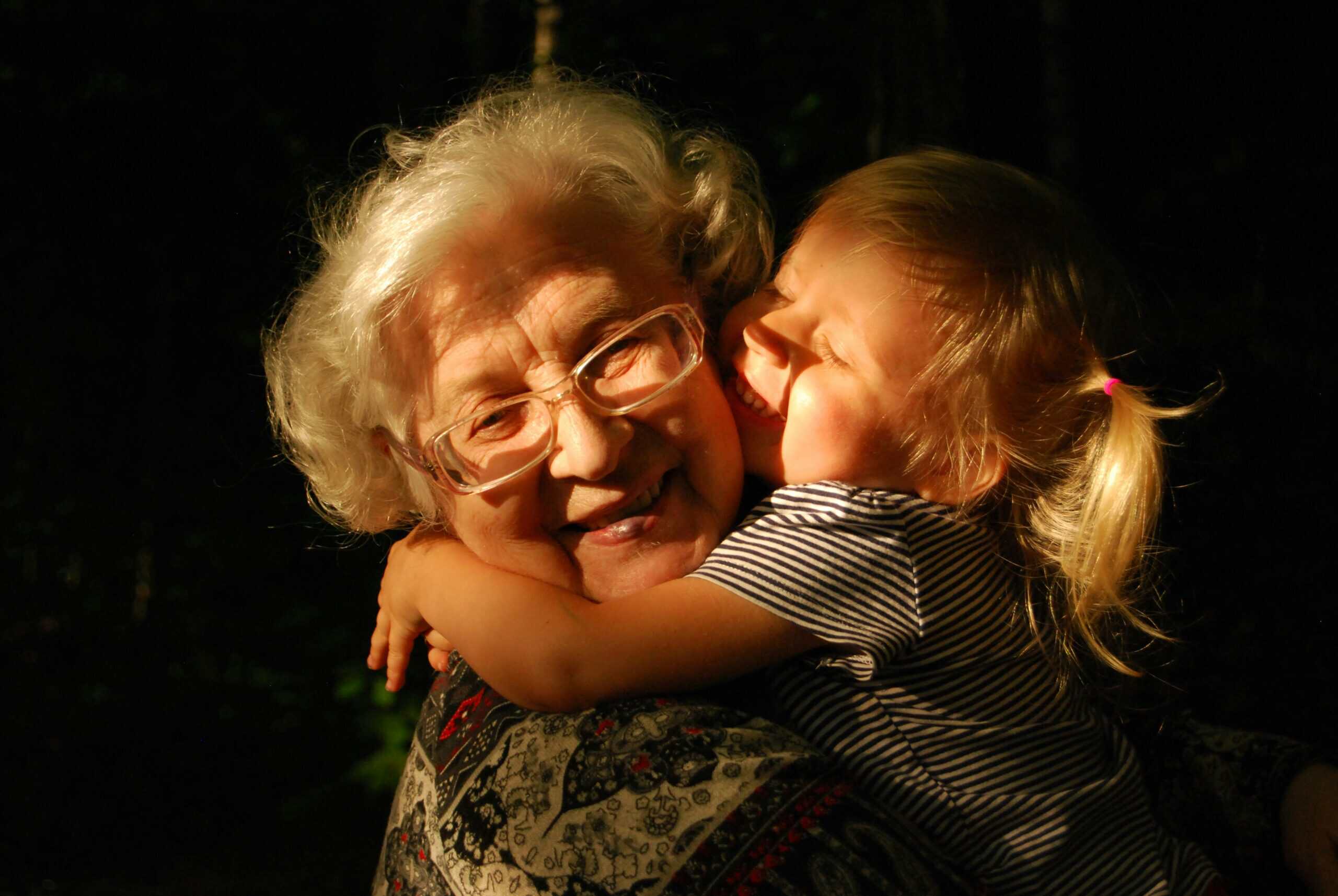
Have you experienced the Gen Z stare yet? You know, the one where they look you dead in the face with almost no reaction, but behind those eyes you know they’re judging you down to your socks (Hint, if yours are no-show, they’ll deem you officially uncool. I would know. I’ve been told.). If it’s really bad, you may even get the quick eye flick up and down. The long pause after you ask a question followed by a casual, unruffled verbal response is the final touch to the whole look.
I’m hiding. It’s scary.
Now, I’m not saying we need performative cheer or that we should be harsh on those with social anxiety who are just trying to figure it out. We’d probably all benefit from a slight slow down and pausing before we speak.
But I’m a fan of graciousness and poise and manners. They’re the social skills that benefit communities, give personal confidence, and enhance our communication. Besides, there aren’t many areas of life where you don’t need to use social skills, so you might as well rock them.
Here is our list of social skills you can help your grandkids nail, because we all know the kids aren’t learning these skills on TikTok. Our list includes skills that are appropriate for all ages, from the youngest kiddos to young adults (ahem, even not-so-young adults).
Treat Homes with Respect
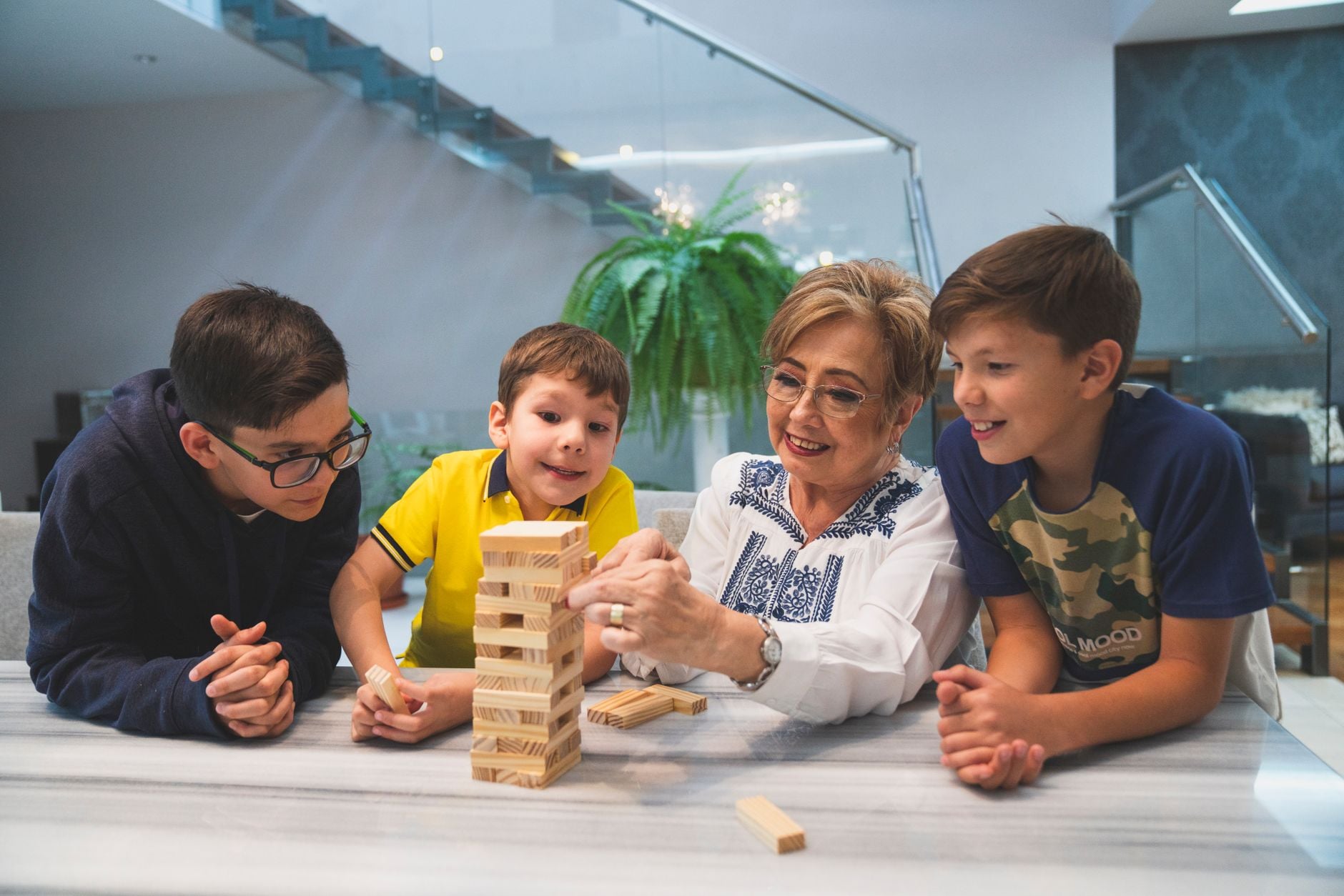
This one is first in the list because I have a personal vendetta. I’ve even asked my mom if I’m insane or if this is a new issue, and she’s with me that many kids just don’t know how they should act in other people’s homes. And my mom is never wrong, so. . .
Most hosts want kids and teens to be comfortable in their home, and no one wants to have to tell guests they’ve gotten too wild or are making too big of a mess. Whether they’re elementary-aged kids coming over for a playdate or teens having a backyard summer party, your grandkids can learn some simple house boundaries.
Here are couple ideas to get you going: Say hello when you come inside. Ask whether or not to take off shoes. Don’t get too many things out at once, and clean up after yourself before you leave. Remember that you don’t have access to the whole house: there’s no reason you should be jumping on a parent’s bed or grabbing things from the garage without permission. Wash hands. Don’t raid the refrigerator or pantry, especially if food hasn’t already been offered.
Phew.
Go to the Door to Pick Up Your Friends (or Your Date)
Sometimes I’ll hear a car honk from outside a neighbor’s home that is clearly a hey-I’m-here-come-out honk. And almost every time it reminds me of that scene in The Sound of Music where Captain von Trapp expects his children and the newly arrived Maria to respond to and come when he calls them on a whistle.
When Captain von Trapp shows Maria the sound that means she should come, Maria cuts him off and says, “Oh, no, sir! I’m sorry, sir! I could never answer to a whistle. Whistles are for dogs, and cats, and other animals, but not for children. And definitely not for me. It would be too humiliating.” Isn’t it kind of the same?
There is definitely a time and place for the “I’m here!” text from the car. A young sibling may be sleeping inside, or a friend is just dropping off school notes for a classmate.
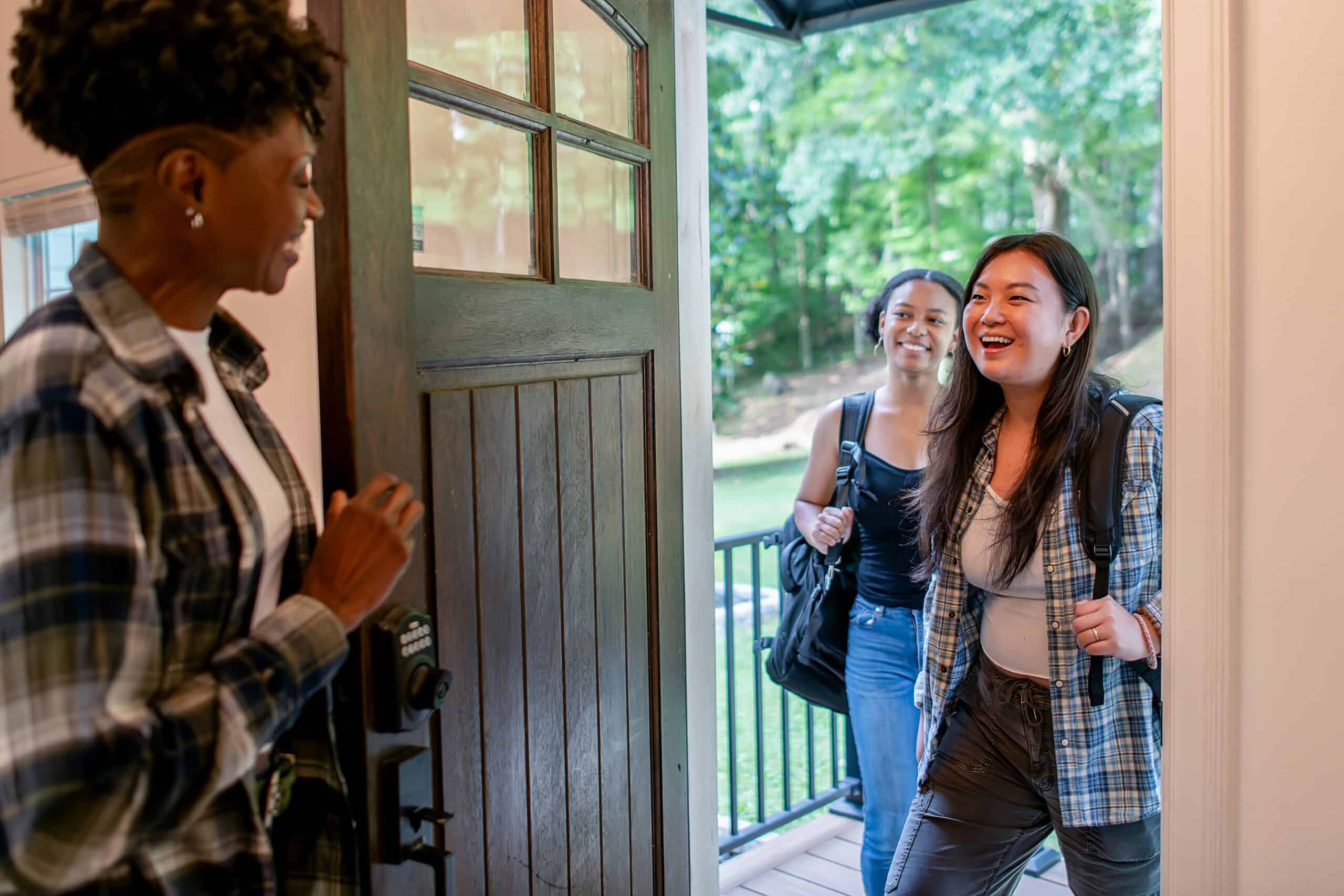
But teens should get in the habit of going to the door to pick up their friends. Sometimes that may be a quick knock and then leaving once their friend answers the door. Other times, it may mean coming inside and chatting with the parents for a couple minutes, maybe even going over the plans for the outing. If it’s a date, coming to the door should happen every time.
Use Eye Contact, But Don’t Stare
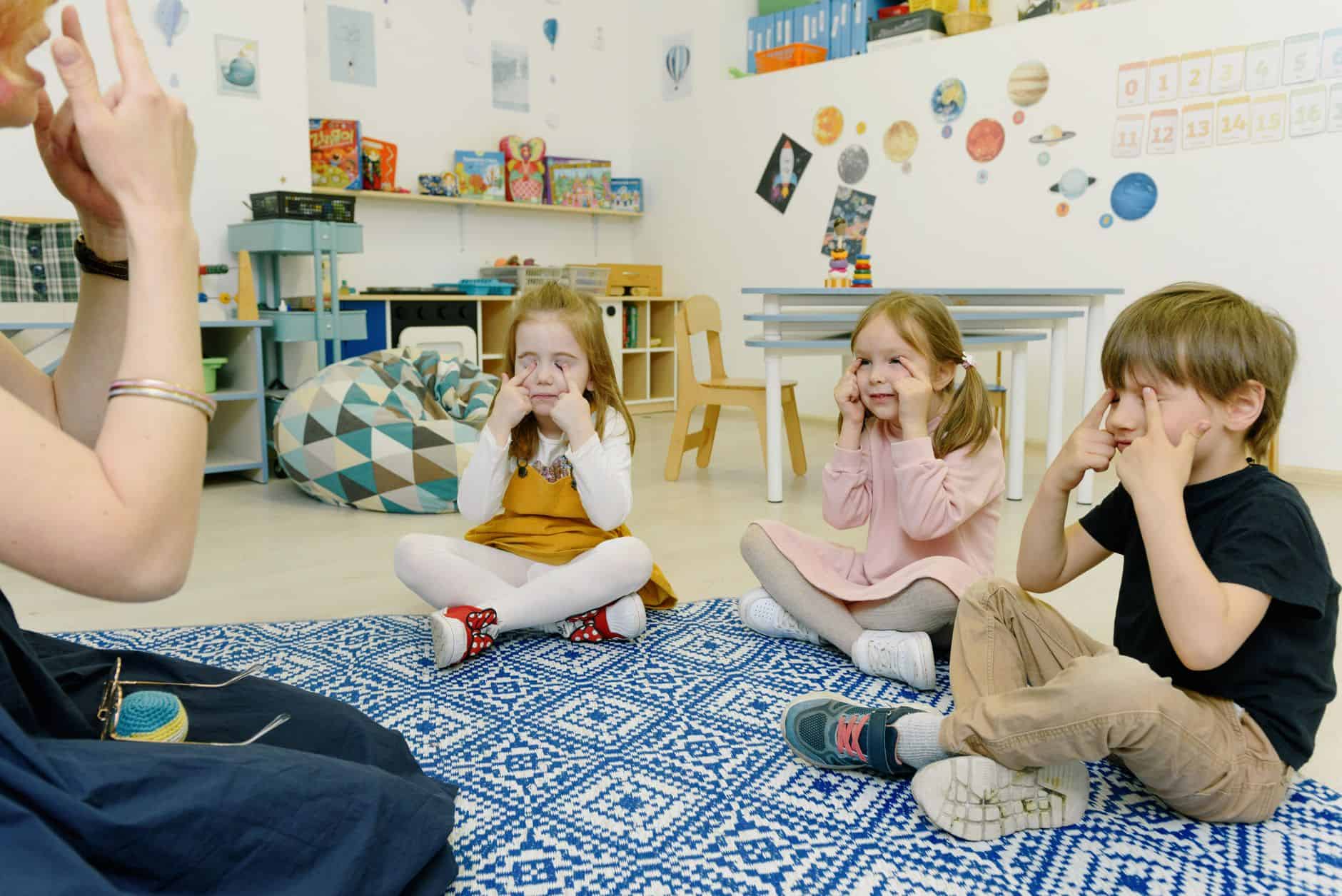
We’ve already brought up the Gen Z stare, and I’d love to give them the benefit of the doubt. I have no idea why, but it also seems like toddlers will do the same thing sometimes. That eye contact game is strong.
All we need here is a softening. Add in some other facial expressions, and follow the 50/70 rule: eye contact 50% of the time while speaking and 70% of the time while listening. That means we’re going to have to put. away. the. phones. We’re trying to show interest and that we’re listening.
In the same vein, you may have to teach your younger grandchildren not to stare if they see something new to them. Curiosity is wonderful, and encouraging that is important. Children are still taking it all in, learning about the beauty of diversity, the way that people have different ways of speaking, dressing, and moving. Help them learn to notice, maybe give a compliment, and then talk about what they saw with you or a parent later.
Don’t Brag

It can be fun to share exciting updates about our lives, and good friends generally want to hear those updates and share in the excitement! Still, as we share our highs, consider tact and be compassionate: make sure that we’re building up others, not using our experiences to show how much better we are or how much better we have it.
Use “Please” and “Thank You”
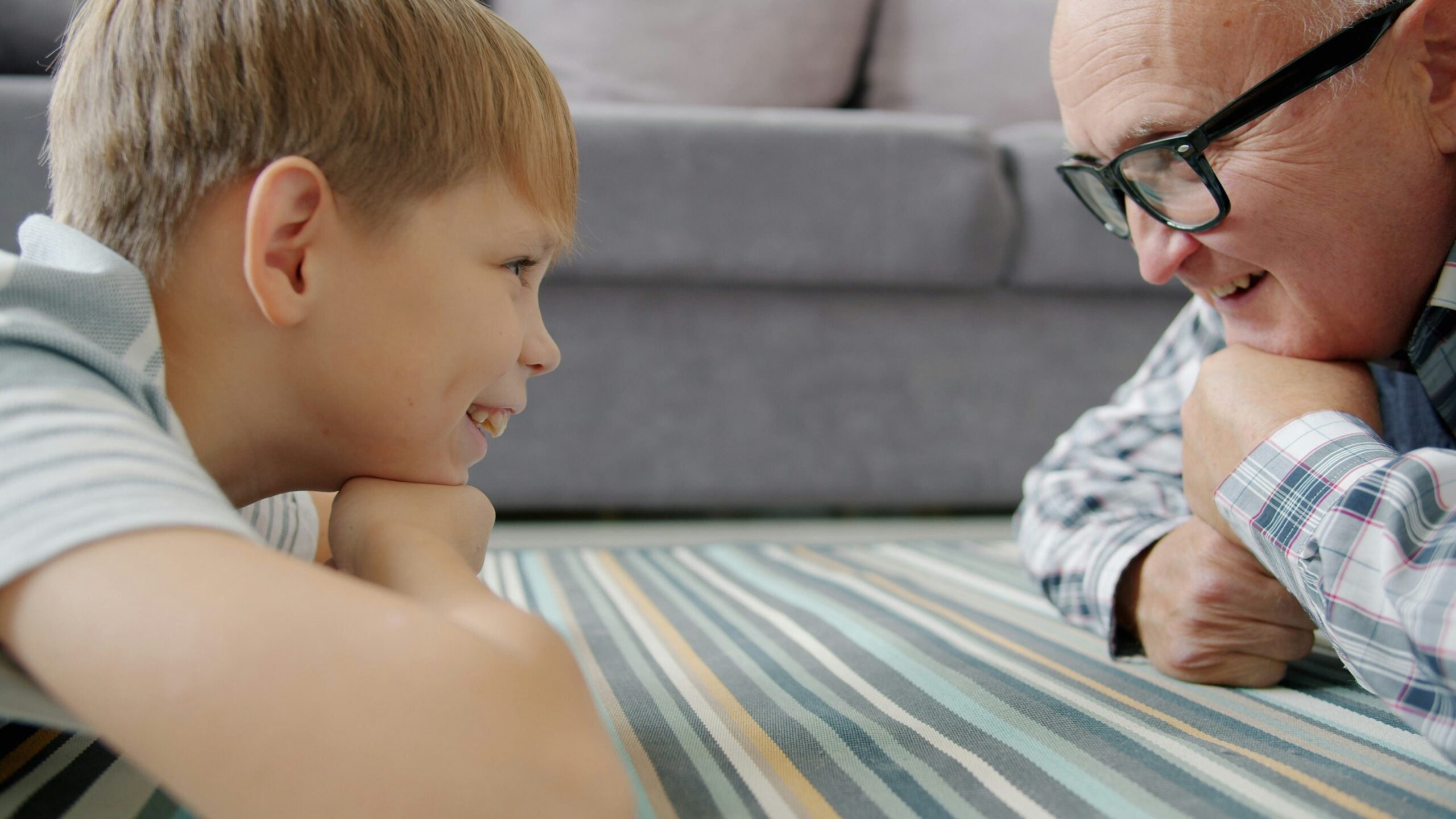
This is maybe the easiest place to start. Even toddlers can learn this skill!
When my little kids are frustrated or wild and start to demand things, I ask them to try again, if I’m in good parenting mode. This gives them the time to reset and think about how they should have asked politely. I’m surprised how often it works, and it’s been great for helping them get in the habit of using polite language first. There’s something so nice about hearing a little voice say, “May I please have a snack?”
Wait for Food to Be Offered
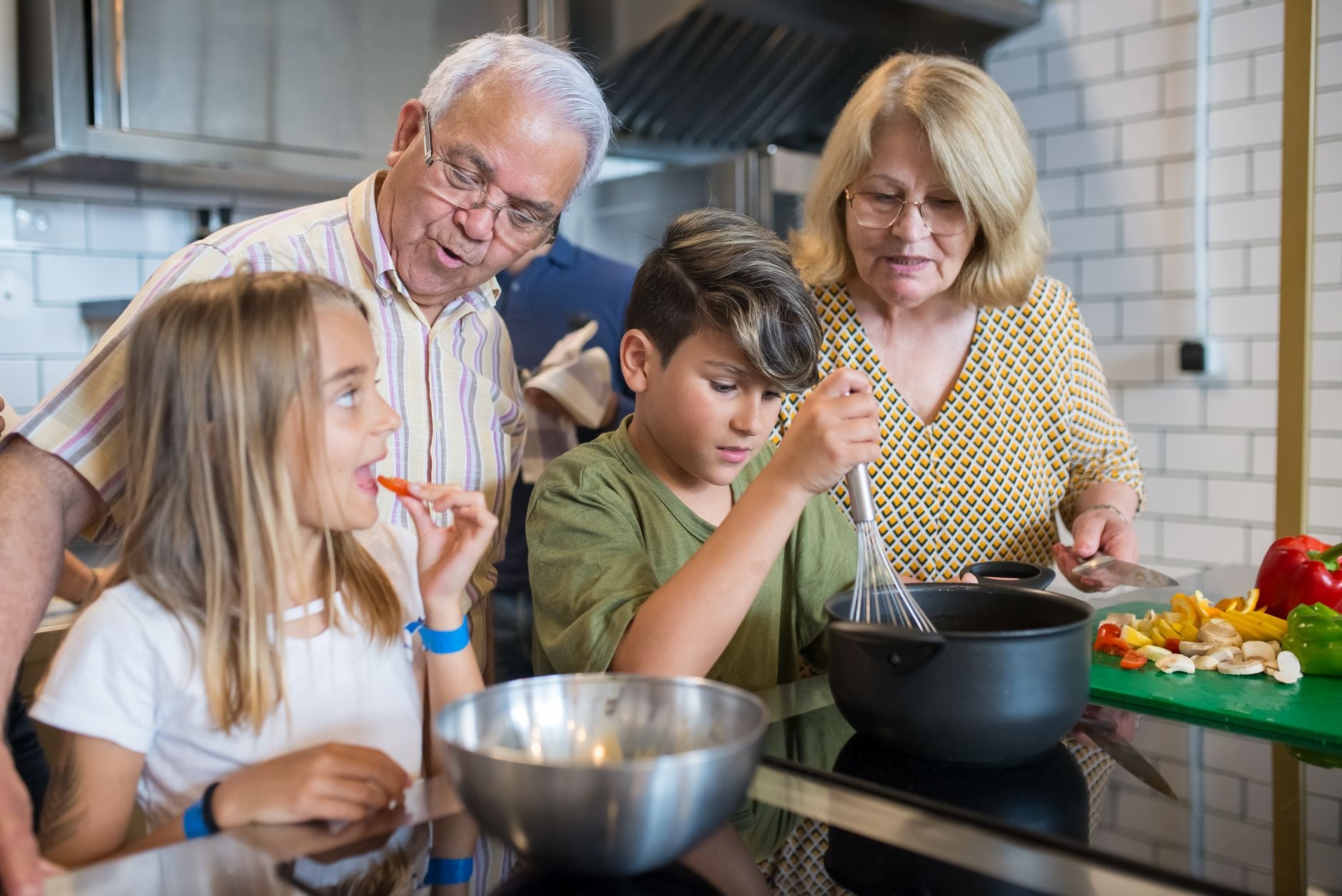
We mentioned this under the section on treating homes with respect, but it’s important for many reasons. We don’t know what foods may be set aside for someone with allergies, what is going to be used as part of a specific meal, or how tight someone’s food budget may be.
It’s totally normal to want a snack after school or even to hope for a treat every now and then! But teach your grandkids to not expect or feel entitled to food at others’ homes. It is, however, always appropriate to kindly ask for a cup of water if it isn’t offered.
Don’t Dominate Conversations
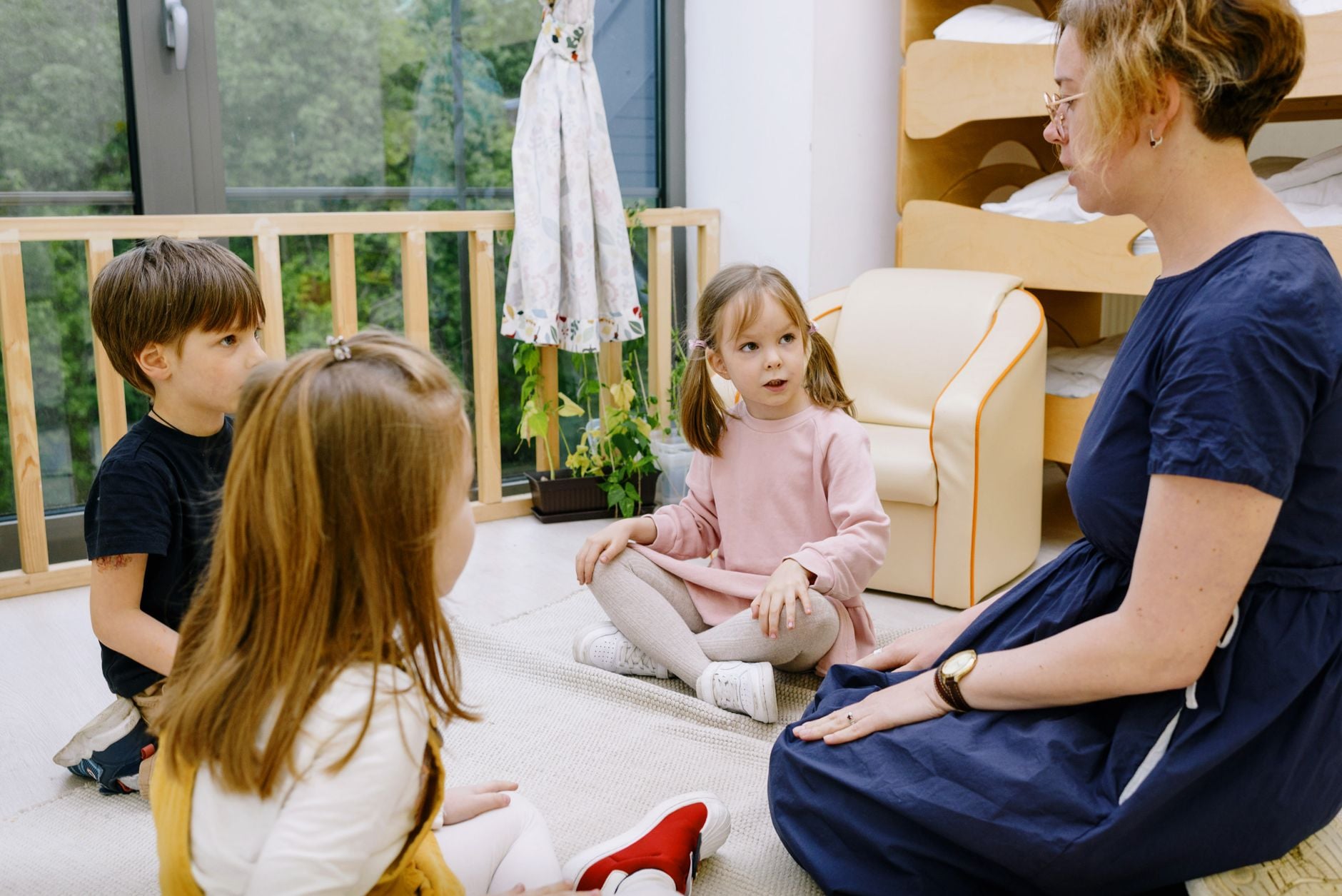
Conversations are meant to be just that—conversations, not lectures or monologues. It’s give and take, speak and listen. It takes a little practice and social awareness, but conversations with good back and forth draw us together and build up our relationships.
Use Etiquette While Eating
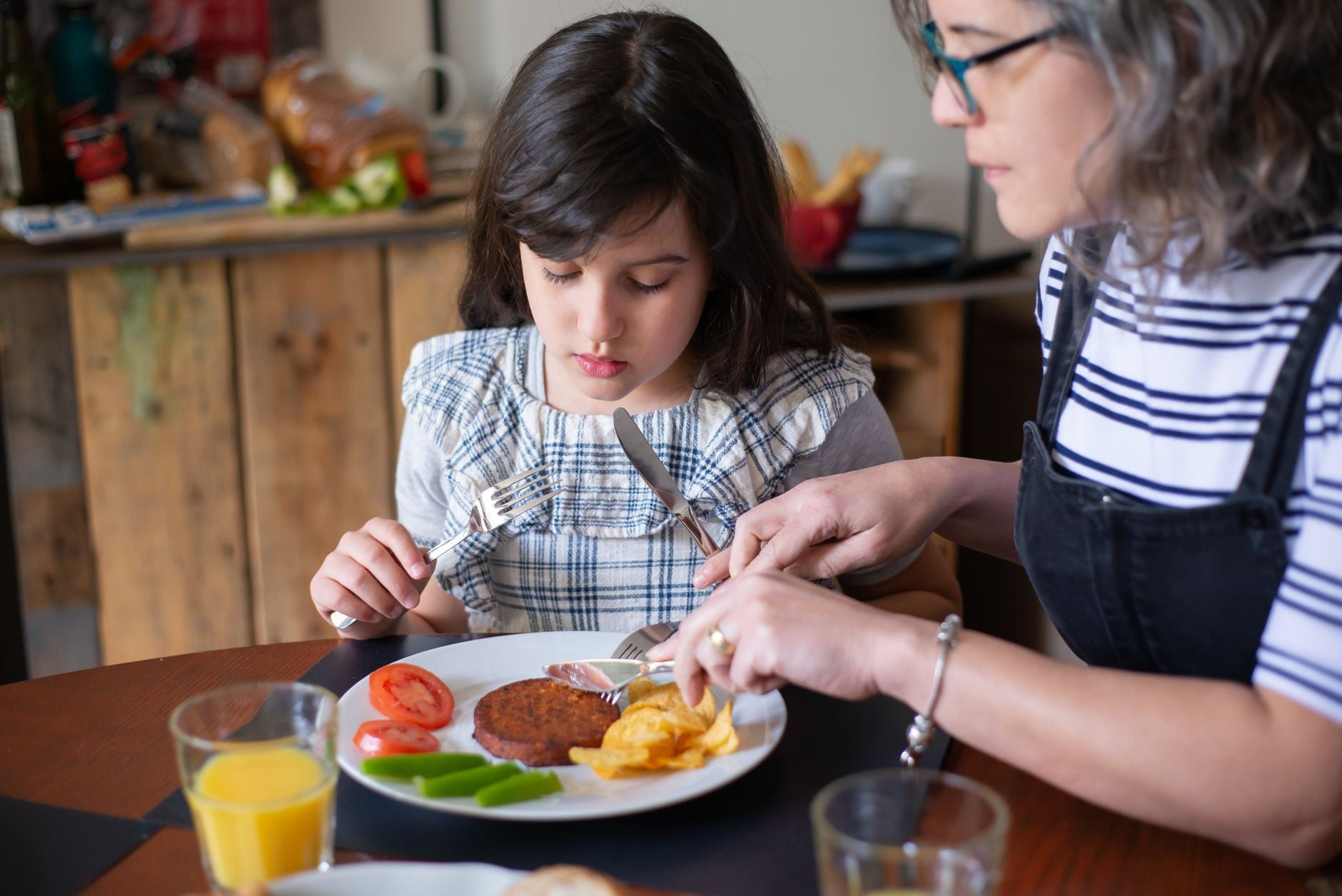
I’m not even talking about knowing which fork to use for the salad here, though that’s good too. Let’s just remember the basics. Put your napkin in your lap while you eat, and use that napkin—not your sleeve or hand—to wipe your face if it gets dirty. Chew with your mouth closed. Don’t get up and down from your seat at the table. I know, a big ask for little ones. We’re unfortunately a bit of a dance party over here. It’s a work in progress.
Include, Don’t Exclude
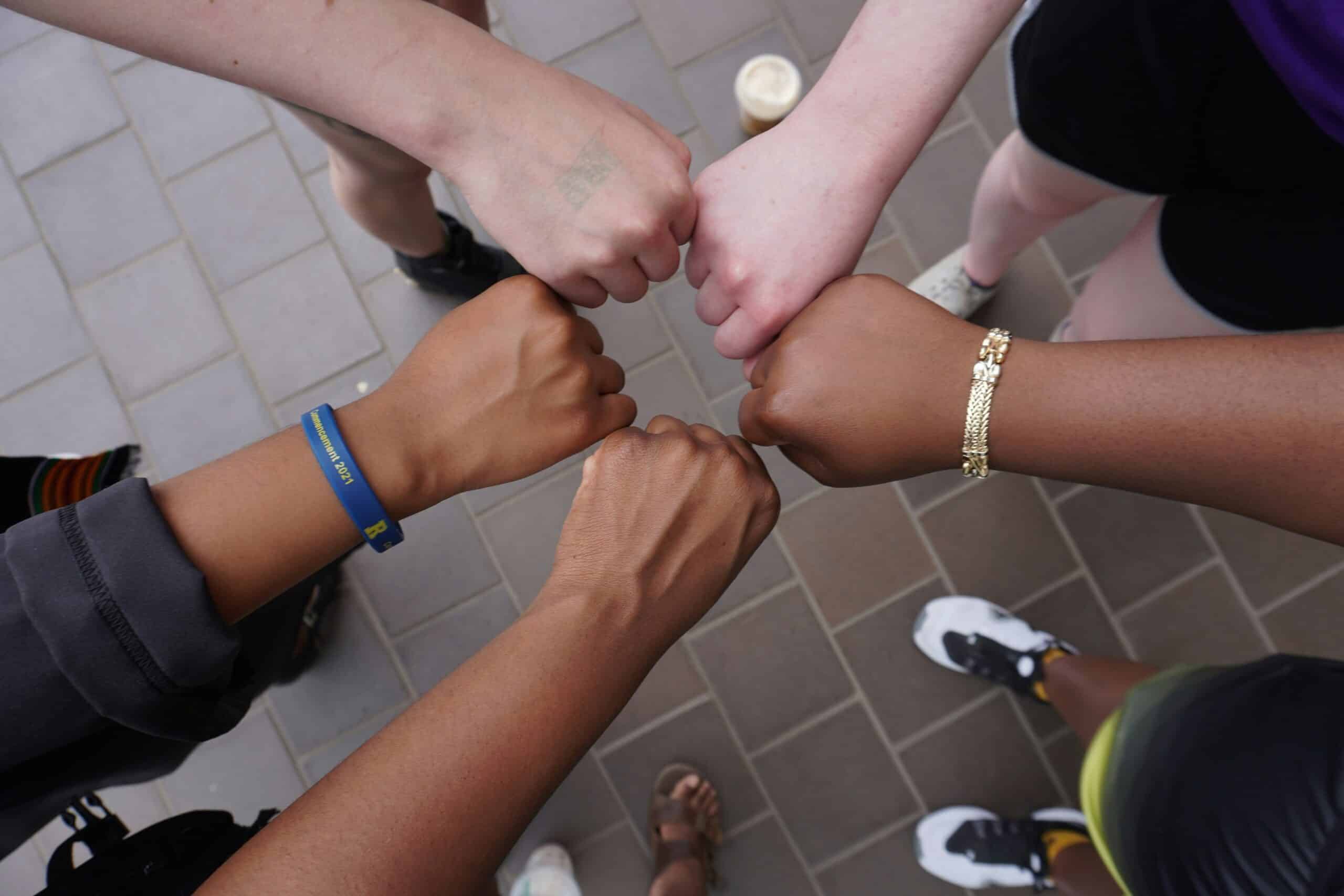
“You can’t sit with us.” It’s an iconic line from Mean Girls. But the title says it all. These aren’t nice girls, and excluding anyone is just that—mean.
We all feel our best when we feel accepted and wanted. A lot of times, we’ve worked hard to build our friendships. But that doesn’t mean it’s okay to be exclusive. In any social situation, introduce people who may not know one another, look for who may need a friend, and make sure no one is left out.
Be Considerate of Differences
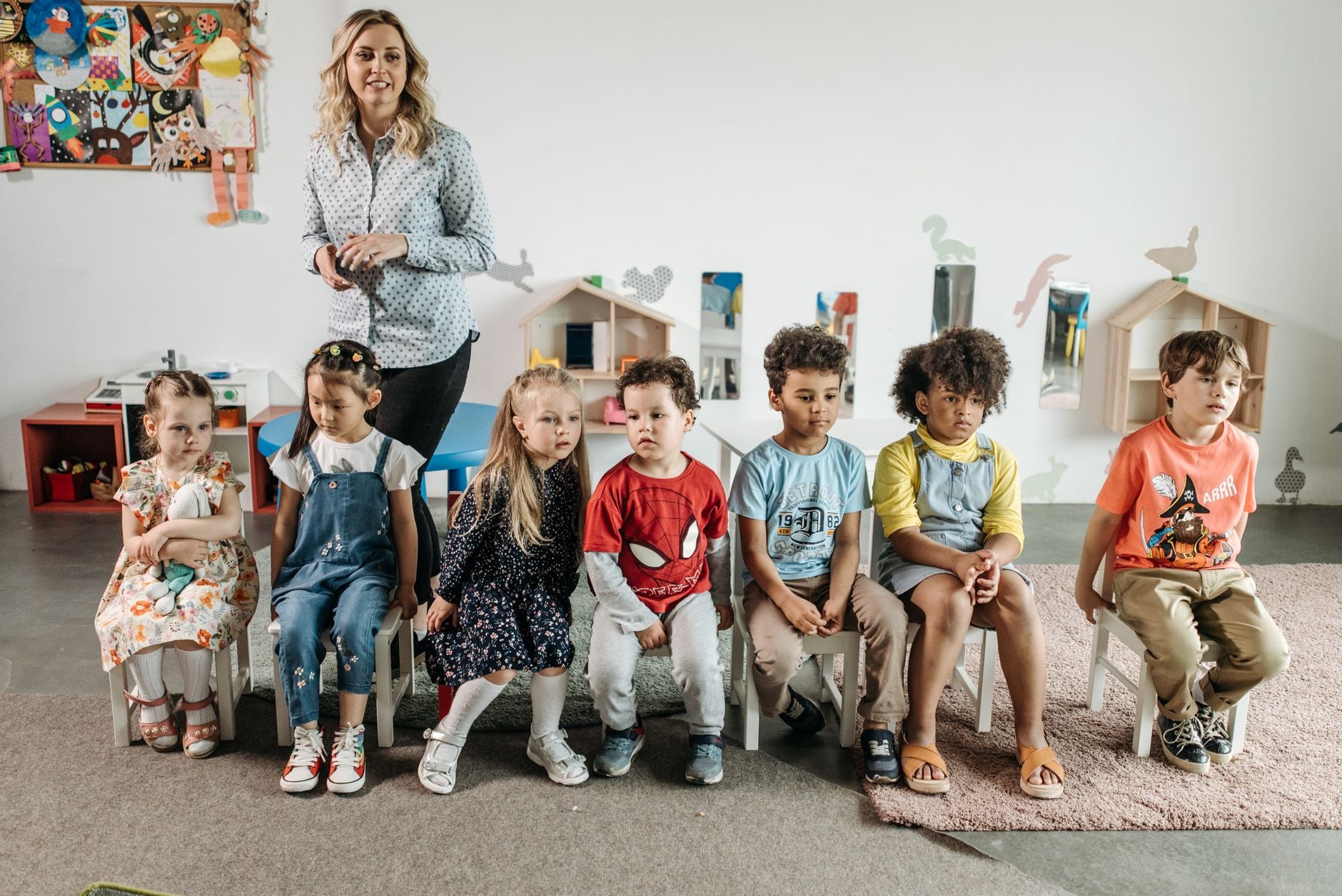
It’s great that we all like different things! I don’t like country music, but if my friend brings up a new song from Lainey Wilson, who am I to rain on the parade? We can still listen to it, and I can get curious. What do they like about the song?
If someone expresses an opinion your grandchild disagrees with, help them learn to be happy for their friend, to be curious and learn, or to just stay quiet. This applies to for addressing people’s efforts. That drawing the kindergartener worked so hard on may just look like a bunch of scribbles to some, but that child is proud. Help the little ones in your life be supportive.
Thumper’s mom taught him right: “If you can’t say something nice, don’t say nothing at all.”
Introduce Yourself

Introducing yourself is a simple skill because it can be learned with a script! “Hi, my name is Alexandra.” Follow it up with “It’s nice to meet you, Mrs. Takamasa,” a little eye contact, and a handshake or wave. Easy peasy.
Use Appropriate Body Language
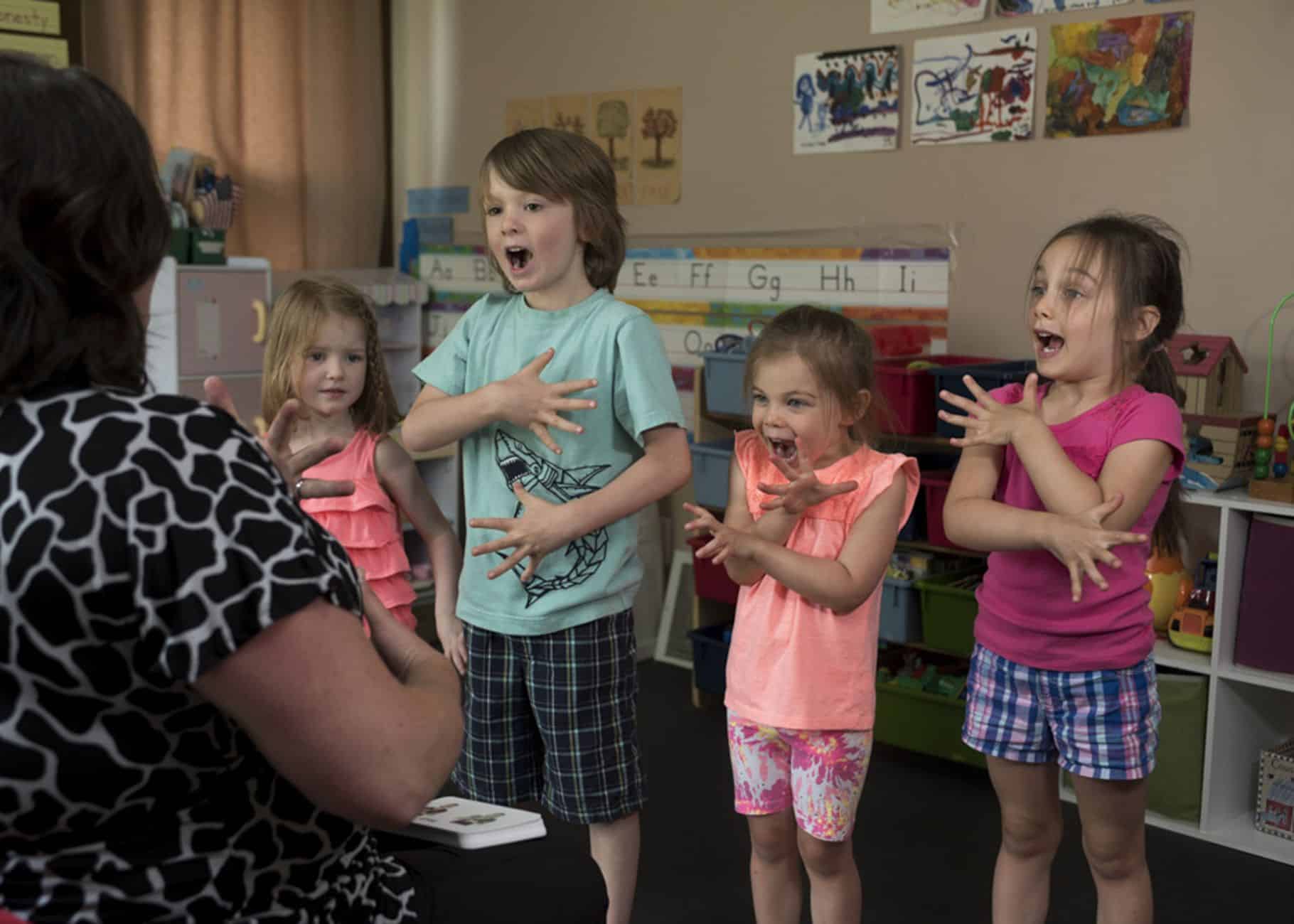
We’ve all been in a situation where somebody’s body language said something totally different than the words coming out of their mouth. More often than not, the cues we give with our bodies are just as or even more important than our words, so learning friendly physical presence is just as important as learning to speak kindly.
Here are a couple places to start: keep your arms uncrossed, stand tall and face those you’re speaking to, smile genuinely, nod to show engagement, and try not to fidget.
Wait Your Turn
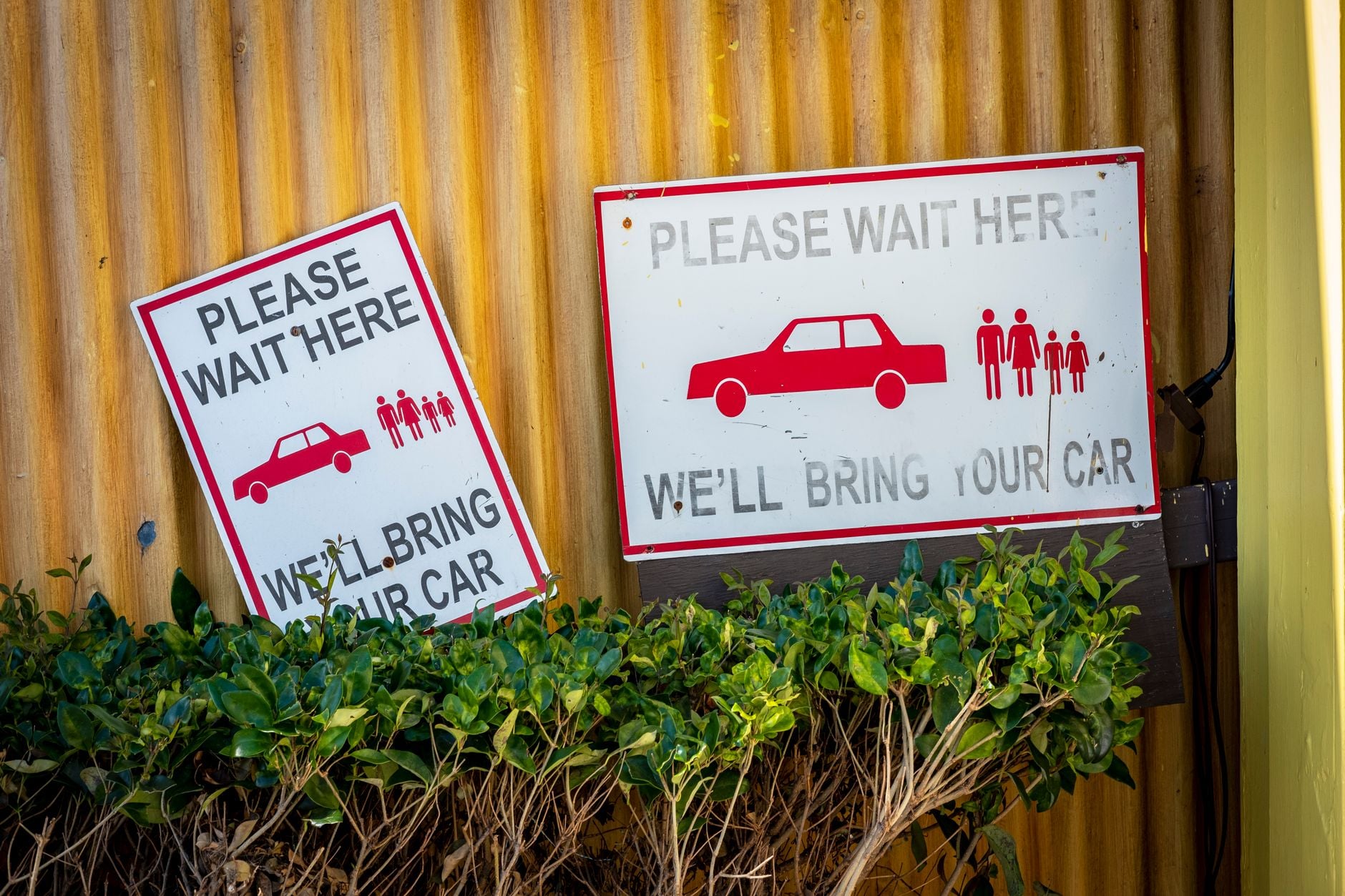
In conversation and in line. Simple stuff.
Respect Body Boundaries

This one is so important. Luckily, many young parents are passionate about teaching their children body autonomy and body respect, so you may even learn a thing or two from your grandchildren.
Respecting body boundaries is more than just giving personal space. Help your grandchildren know that we always ask before touching. If someone seems hesitant to hug, kiss, or even high five, that means no, and we always respect and accept that answer.
Also teach that it is never appropriate to comment on someone’s body, even if they think they’re being kind. A compliment on someone’s new haircut? Sure. A comment on someone’s body shape or size? It’s never appropriate.
Help model this with your grandchildren. As much as you want to scoop them up and smother them with kisses, if they don’t want to, give them their space. I know it’s hard. Those squishy cheeks are so cute! But your example will may be just what they need.
Use Bathroom Manners
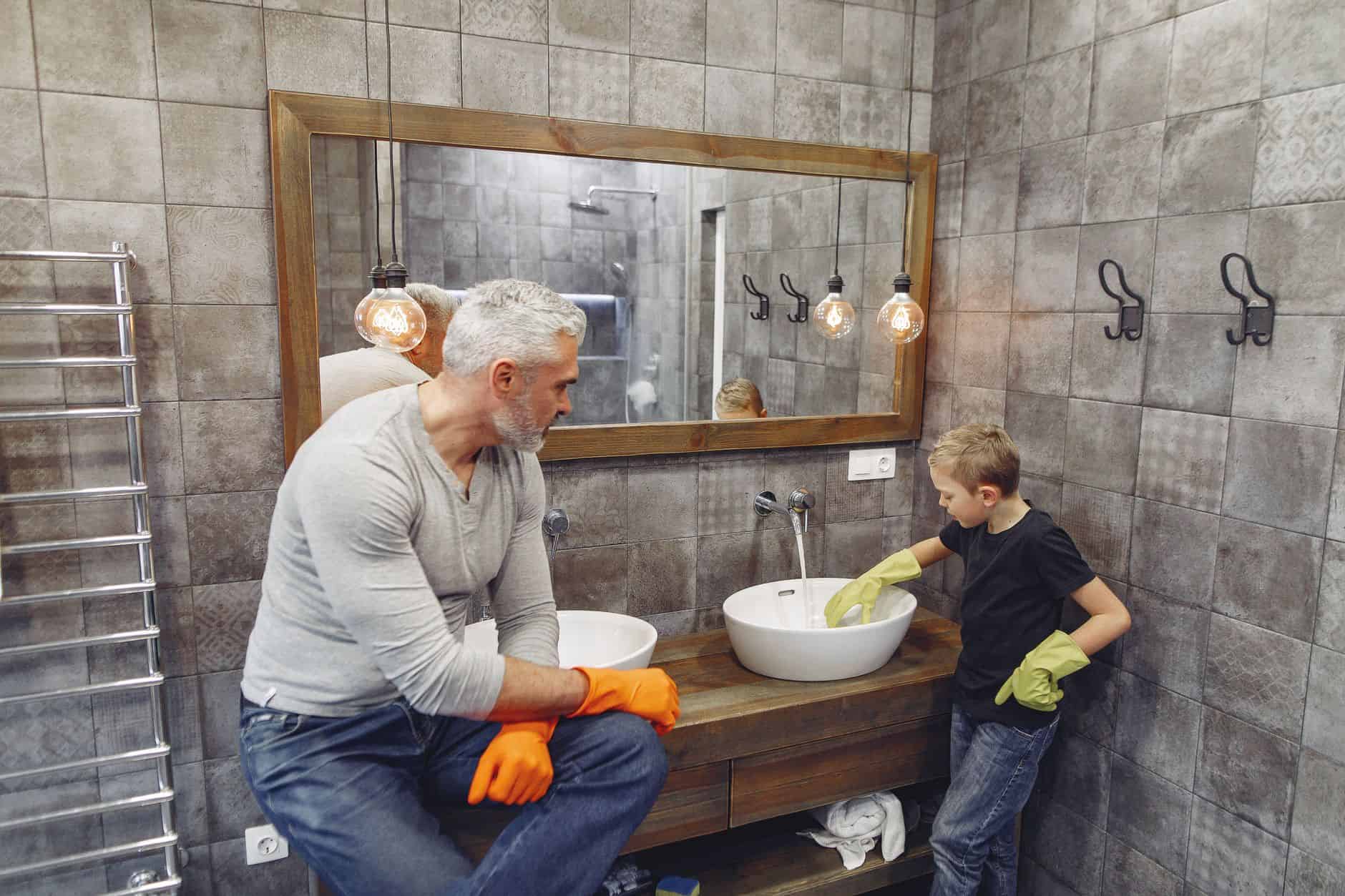
There are few things as gross to me as walking into a bathroom and seeing it’s. . . messy. And if someone uses my bathroom and the seat is splattered and the lid left open? Not cool. I think most parents do their best to teach their kids the steps to using the bathroom, but the application isn’t always flawless, for plenty of reasons. Shall we refresh the steps?
- Wait your turn if there is a line, then knock on the door before entering.
- Lift the seat.
- Wipe yourself until you’re clean.
- Wipe away any messes on the toilet.
- Close the lid before flushing, making sure you only flush toilet paper, not paper towels or feminine hygiene products.
- Wash your hands with soap.
- Dry hands completely.
- Wipe the sink.
If boys are using urinals in public bathrooms, talk about body boundaries, including not staring at others and not using the urinals directly next to others, if possible.
Be a Good Passenger

I’ll say it. I’m an obnoxiously nervous passenger in the car. Every break light on the freeway and I gasp in fear or just HAVE TO POINT IT OUT. I swear I’m constantly in fight or flight mode, but I’m working on it.
Teach your grandkids to not be like me; teach them to be actually helpful. Manage the GPS or climate, but always ask before your adjust the temperature. Be the snack king or queen. Also learn to treat the car well by keeping feet off the dashboard, not slamming doors, cleaning up after yourself, and not touching the glass.
Learn to Make a Phone Call
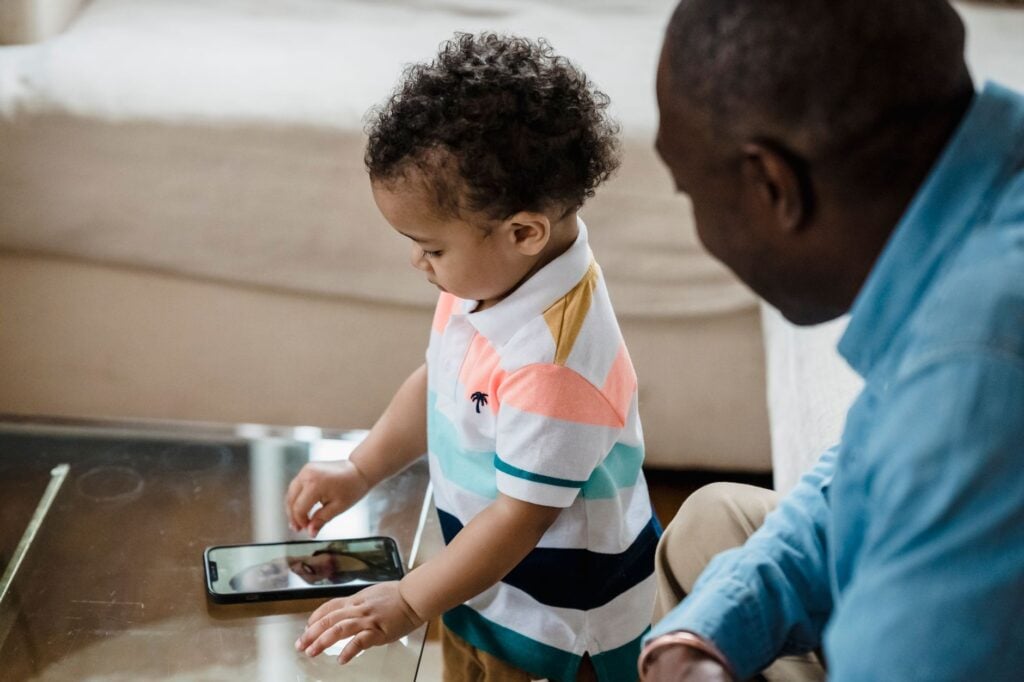
Remember the days of home phone numbers? If you wanted to chat with your friend, texts weren’t an option. You had to call the house and then ask to speak to your friend. Imagine if teenagers now had to talk to the parents of the boy or girl they were about to ask out on the phone!
We’ve gained a lot of convenience since the days of constant phone calls, but let’s bring back the skill of knowing how to speak on the phone. It’s as simple as an introduction, a clear statement of why we’re calling, and good voice volume.
Learn How to Check In

In the same way, let’s teach our grandchildren how to check in, whether at the front desk at the doctor, at the register when ordering food, or when scheduling a car repair.
Have Good Hygiene
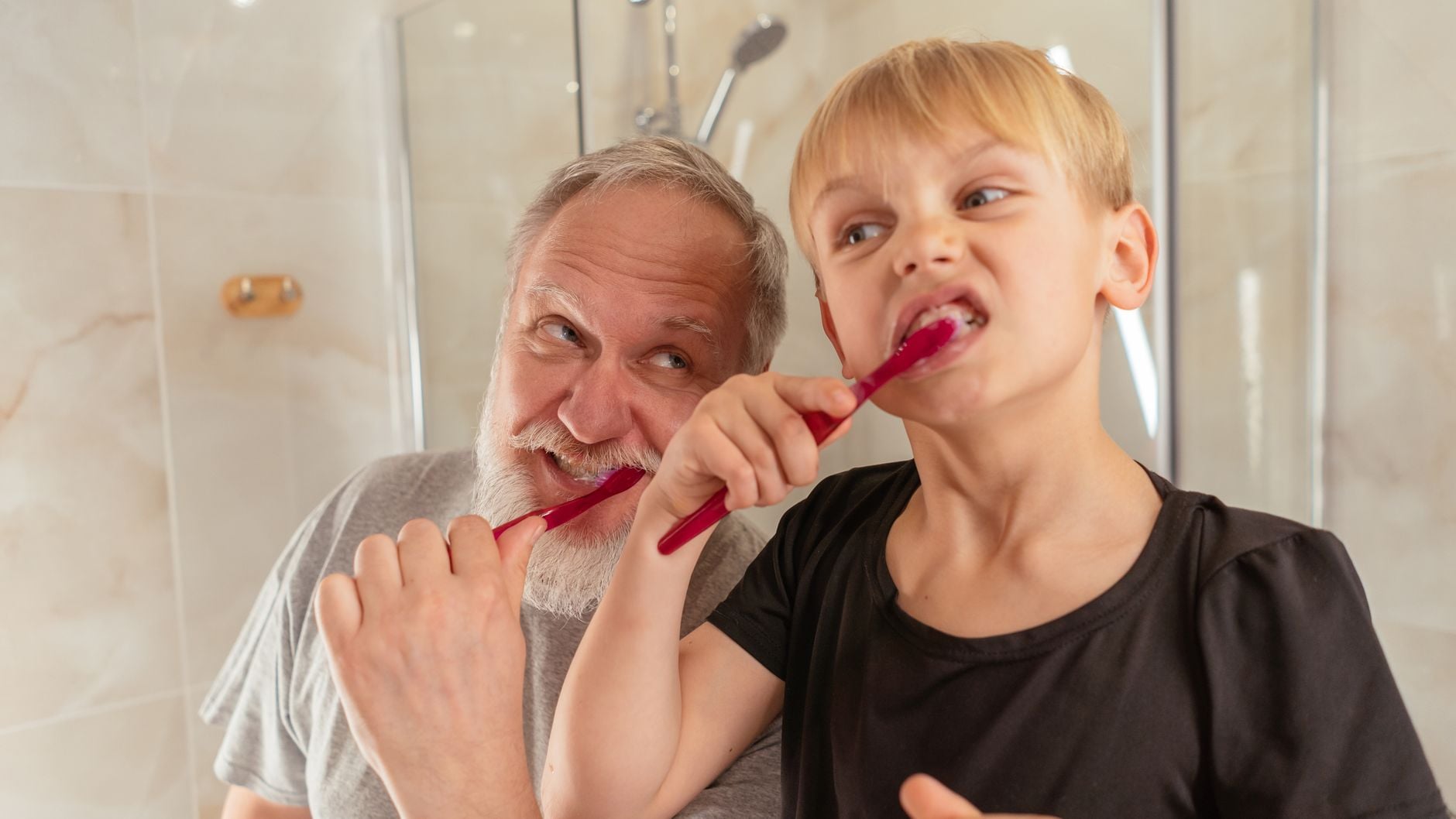
Because no one wants to feel gross. Help your grandchildren know how to brush their teeth morning and night, take a shower, wash their hair, wash their hands with soap, and keep their hands away from their mouth and nose. It’s respect for others but for themselves too.
Be A Helper
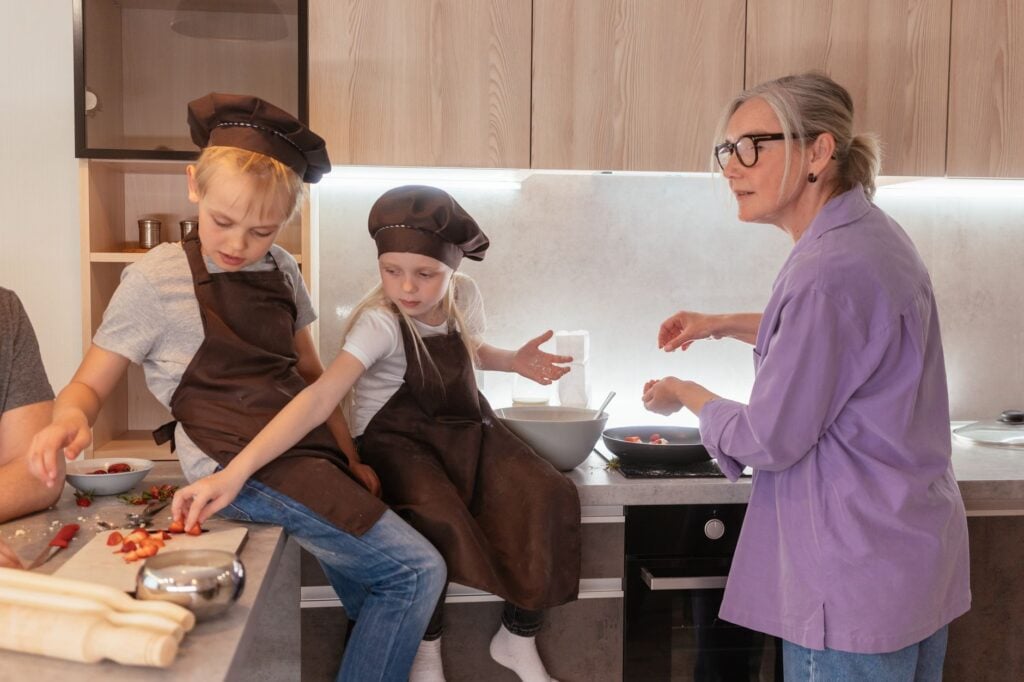
We all know someone who has done the work to develop the skill of being helpful. They’re there before the party starts, setting up chairs, there dropping off dinner to the sick friend. They ask questions and listen with compassion.
Being helpful is a high-level skill because it requires selflessness and social awareness and often a bit of physical ability. But it’s still a social skill we can teach even our youngest grandchildren. Giving them the words, “How can I help?” is a good start for little children. As they grow and mature, they’ll model what you show them and will learn to be more intentional and personal with their help.
Your Example Will Show the Way
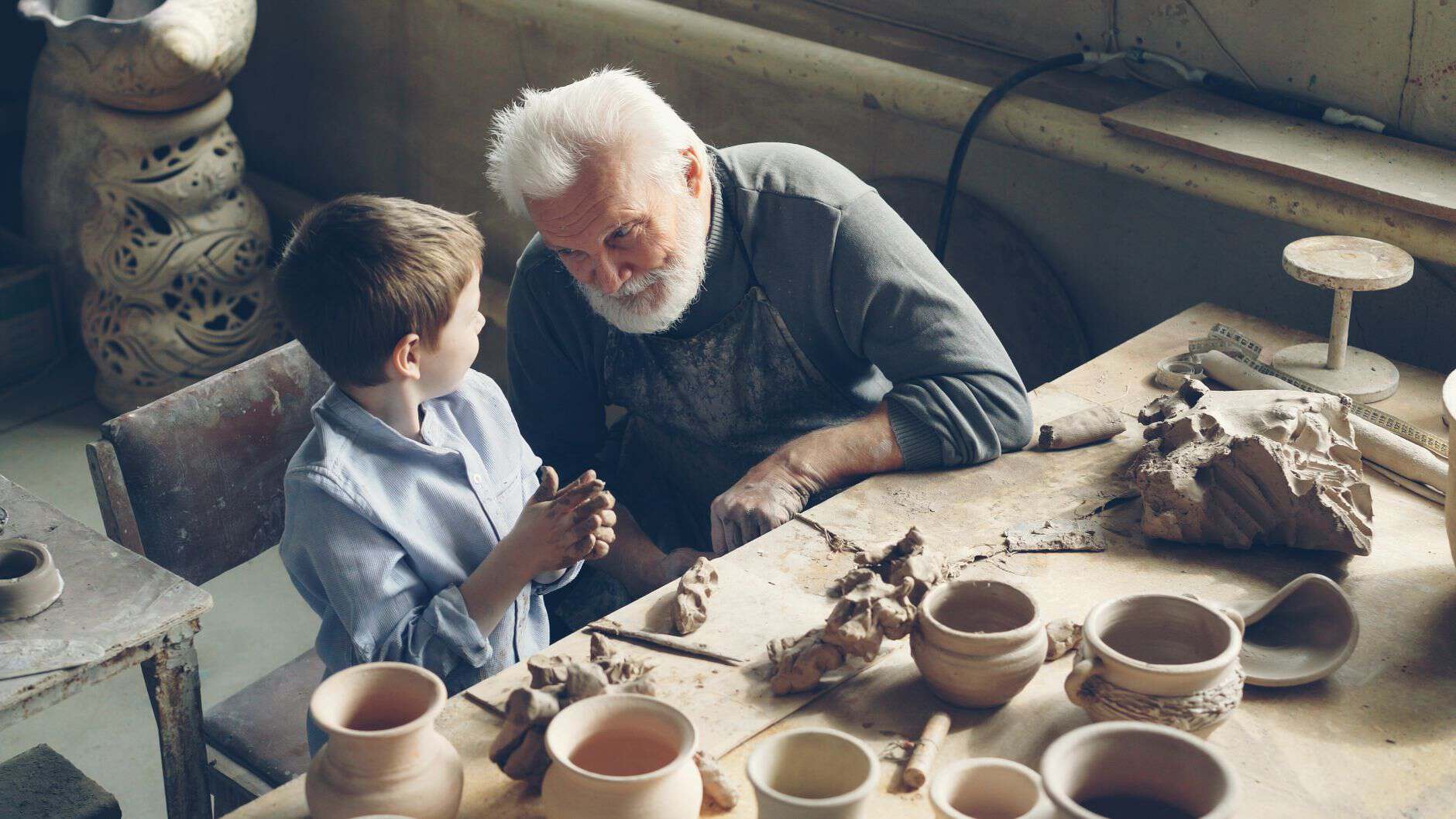
More than any deliberate conversation, your example will help your grandchildren to move through the world with social grace. And who knows? Maybe you’ll learn and thing or two yourself.