
I am not a minimalist by any means. I enjoy a good collection, and my bookshelf is overflowing, even with the books double stacked on the shelves. Homes should not be sterile, perfectly staged spaces at all times. The items you use or choose to display just show that someone actually lives there.
I am not saying, however, that we should live in mess and clutter. Clutter quickly escalates from just a messy corner to an entirely unorganized closet. Visual clutter can paralyze us and overstimulate us, making it harder to regulate our stress and tackle the tasks we have on our to-do list. Plus, it’s much harder to clean your spaces when they aren’t organized and tidy in the first place. Start with something small, like picking up that pile of mail that has lived on the counter for months, sorting it, and tossing what you can.
To help you so your stuff stays just that (stuff!) instead of turning into frustrating mess, we’ve made a list of all the items organized people never hold onto—and you shouldn’t either. Use it as your cheat sheet to stay ahead or as a guide to come back to a place of normalcy.
Expired Foods
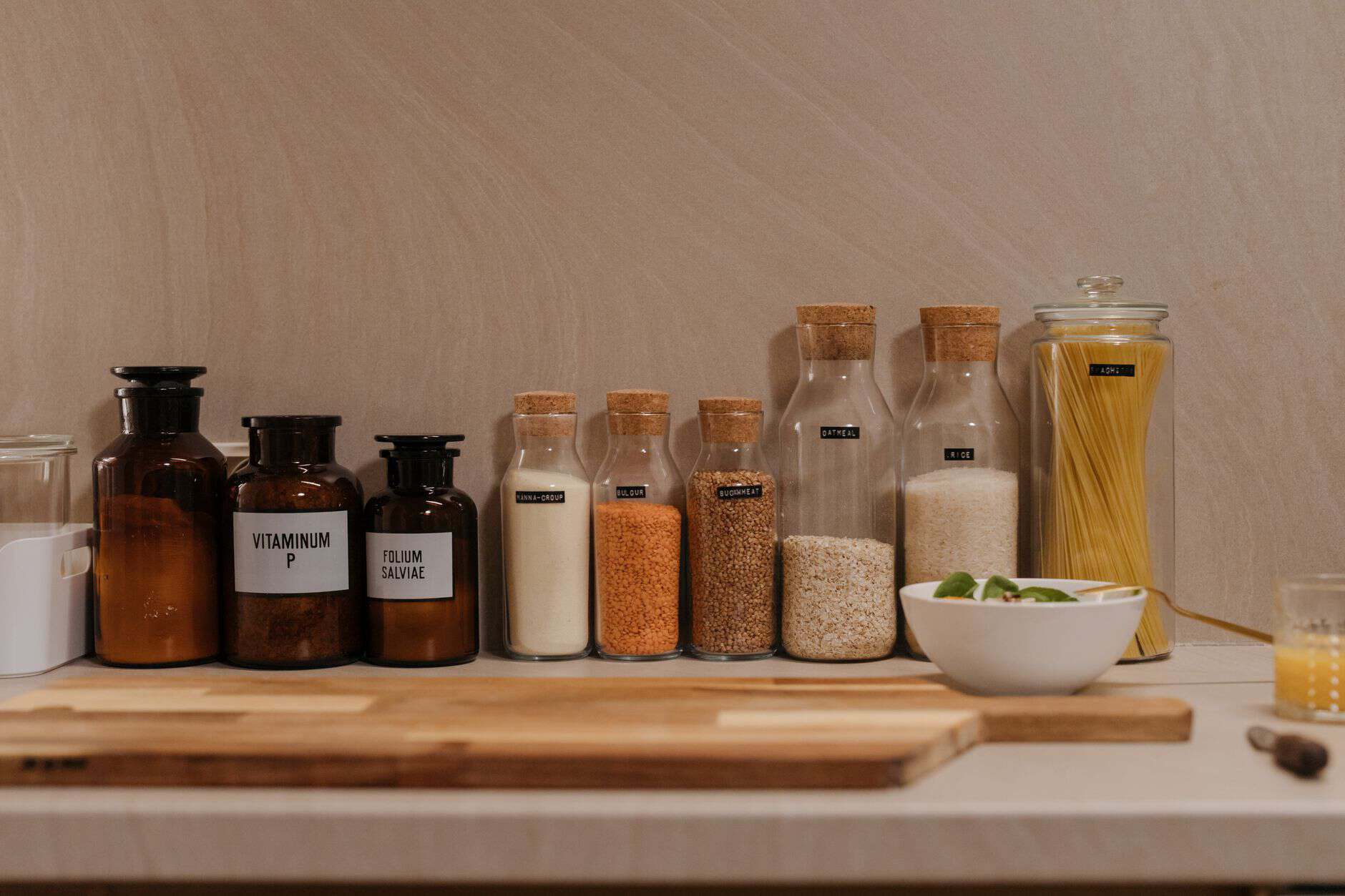
Let’s address the most obvious items right away, shall we? There is no place in any home for expired food. Don’t risk it. Regularly assess and clean out your pantry, refrigerator, and cupboards. And don’t forget the spice rack!
Out-of-Date Medication
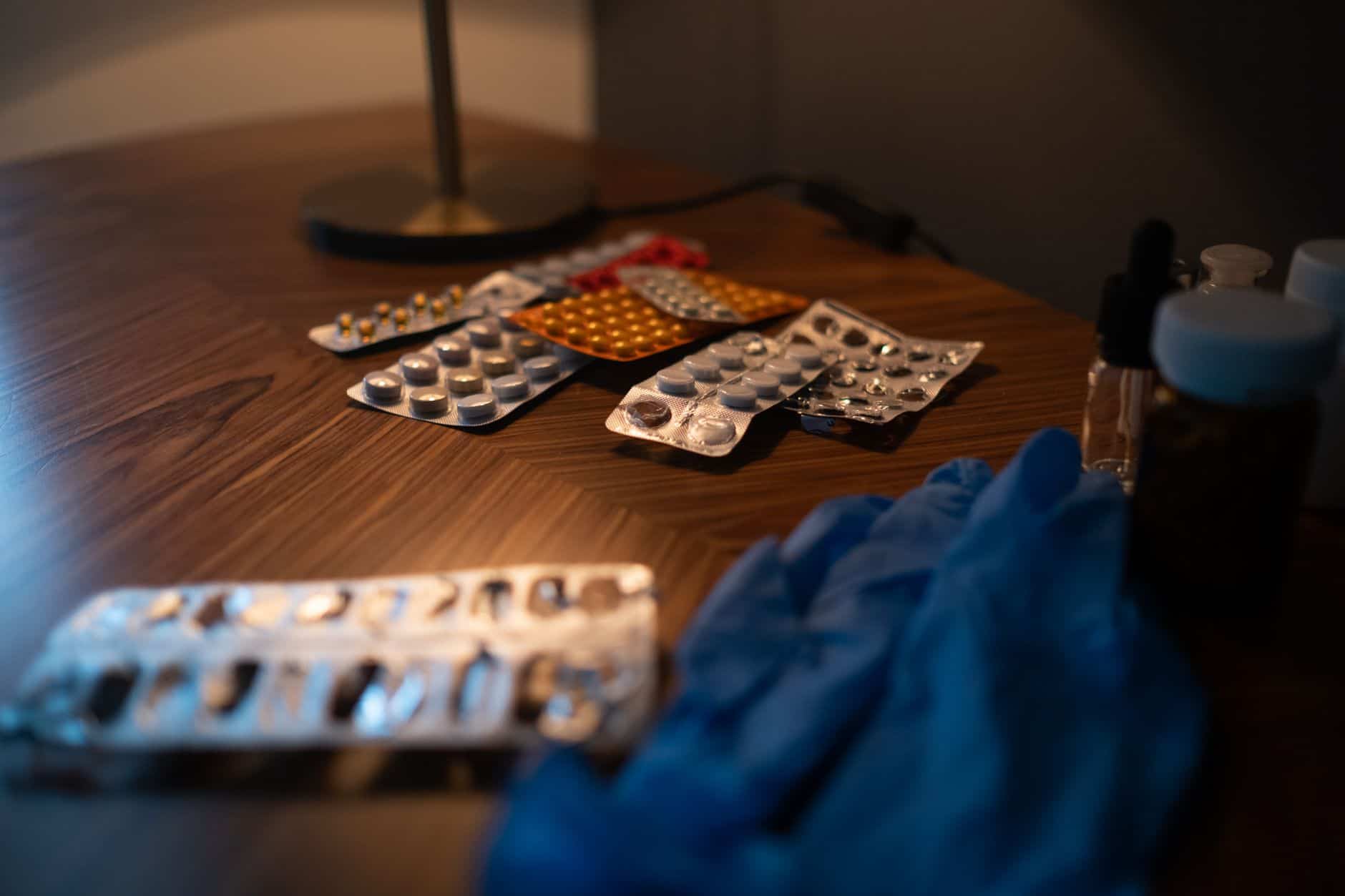
Another obvious but sometimes easily forgotten item on this list to immediately throw away is out-of-date medication. Check your medicine cabinet at least twice a year.
Medications that have passed their expiration lose their chemical strength, breaking down and working ineffectively. Using old medications can be dangerous, especially for critical treatments, where symptoms and conditions rely on full-strength antibiotics and treatments.
Also remember that trying to use old medication to self-treat infections can allow bacterial infections to actually get worse, since they can resist the weak treatment. Some medications can even break down to being toxic past their expiration.
Extra Kitchen Gadgets
I could probably actually use another gadget or two in my kitchen. Every time I have to dump my soup from the stove into the bulky blender, making sure to stop and pop the lid every few seconds so my machine doesn’t explode from the built-up heat, I really wish I had an immersion blender.
But not having all the extra gadgets has made me realize that I can make almost any food with the normal essentials. Fabulous cooks from years past never had special juicers, your manual can opener works just as well and just as fast, and no one really needs a dedicated quesadilla maker.
I’m not here to take away your joy. If that funky gadget for slicing your avocados brings you joy and makes life easier, who am I to tell you to donate it? The point is, if you don’t use your device often, consider giving it a new home by donating it to a local food bank or your nearest charity.
Gifts You’ll Never Use
No matter how thoughtful the gift was or the person who gave it to you, presents that you’ll never use have no place in your house. Regift them or donate them!
Old Baby Bottles
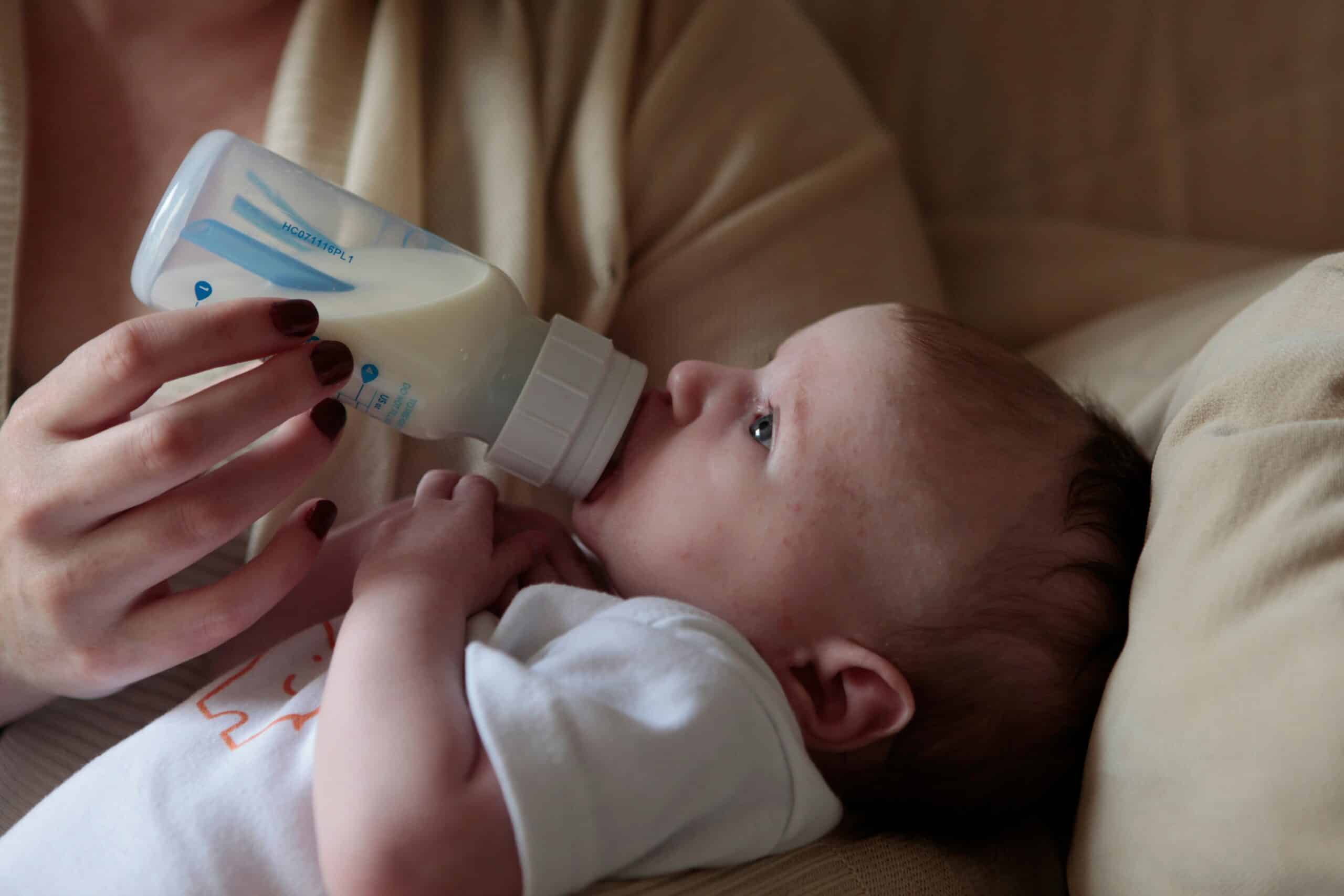
I didn’t know this when I had my first baby, but did you know you’re supposed to replace your baby bottles every couple of months? My first two babies nursed almost exclusively, so they didn’t use bottles much. I thought this meant I could toss them in my storage tote and save them.
My last baby used bottles often, so I quickly pulled out every type of bottle I’d ever saved. Just in case, I looked it up though, and there it was: replace plastic bottles at least every three to six months, silicone and PPSU bottles every six to 12 months, and the nipples at least every two to three months. Glass and stainless steel bottles could wait until they chip or crack, and all other bottles need replacing if they show any damage as well.
So if your baby needs a bottle, don’t hold onto old ones he doesn’t like. It’s time to clean them carefully and gift them to another friend who may use them.
Ill-Fitting Clothes
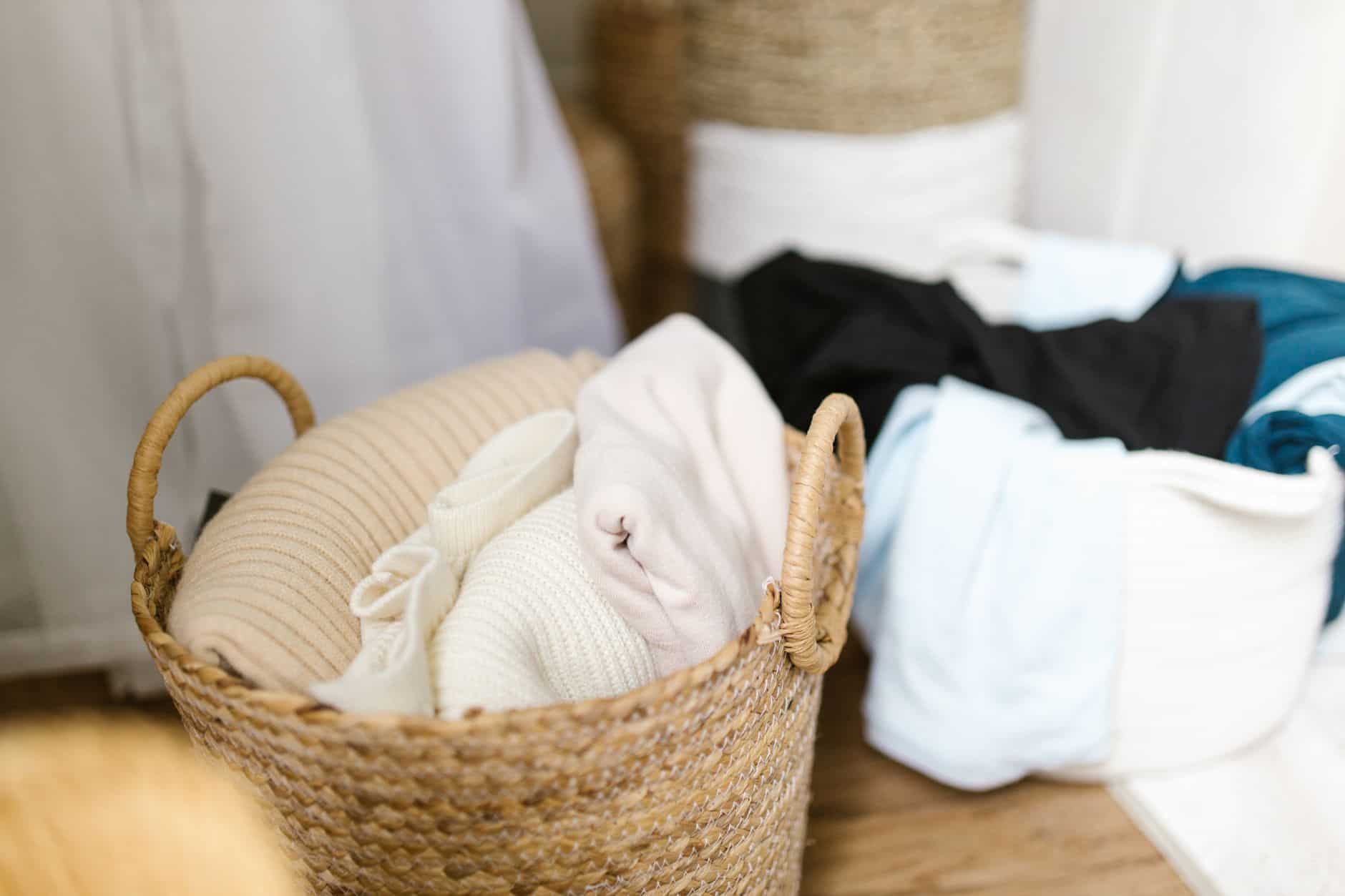
I get it. You have that old favorite skirt or pair of pants that doesn’t fit but you can’t bring yourself to donate.
I have a skirt like that. I am, and have been since I was born, a horse girl. This is a velvet skirt with horses and an English countryside design on it. Very equestrian, and it makes me feel like I’m part of the royal family or something. It’s one of the few statement pieces I own, and outside of pregnancy, it always fit. . . until the last few months.
Holding on to clothes that are much too small or much too big, adds up to more than just a bump in our visual clutter. Seeing those clothes can keep us frustrated, make us feel guilty, or stop us from accepting our bodies as they currently are.
If you have pieces that are really meaningful to you, keep them. My horse skirt isn’t going anywhere. But those T-shirts that feel uncomfortably snug? Let them go. That dress that hangs limp rather than draping beautifully? It’s time to donate it.
As a rule of thumb, if you haven’t fit into it for a year or more, it’s time to let go of it. If you only need to shift a few pounds one way or the other, keep the items. That’s responsible and motivating! But if you would need a drastic physical shift, remind yourself how good it can feel to move on.
If your closet needs a refresh but you feel overwhelmed where to start, we have a whole blog post about organizing your closet, just for you.
Unmanaged Paperwork
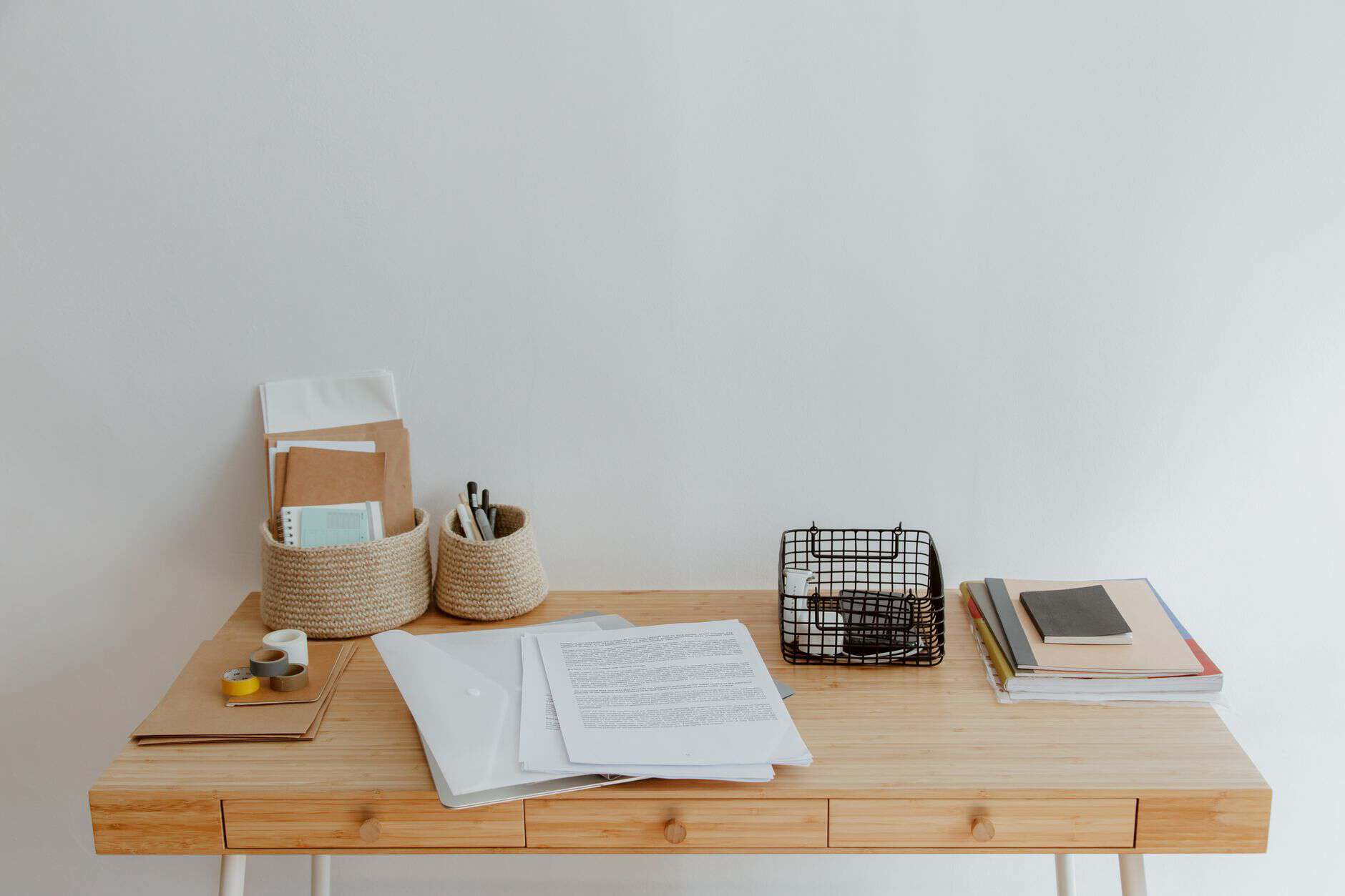
Nothing ruins a beautifully cleaned and kept kitchen more than a pile of papers in the corner. Set up a system to avoid any backlog. You might have a designated box for incoming mail, coupons, and bills. Before putting anything into that box, sort the mail and recycle anything that you don’t need.
From there, file away any receipts and pay your bills. If you are uncertain if you need something or not, take a picture of it and create an organized digital file.
Pet Items They Don’t Care For
That chew toy strewn on the floor that your dog only played with once isn’t going anywhere. And it doesn’t look good.
Extra Cables and Chargers
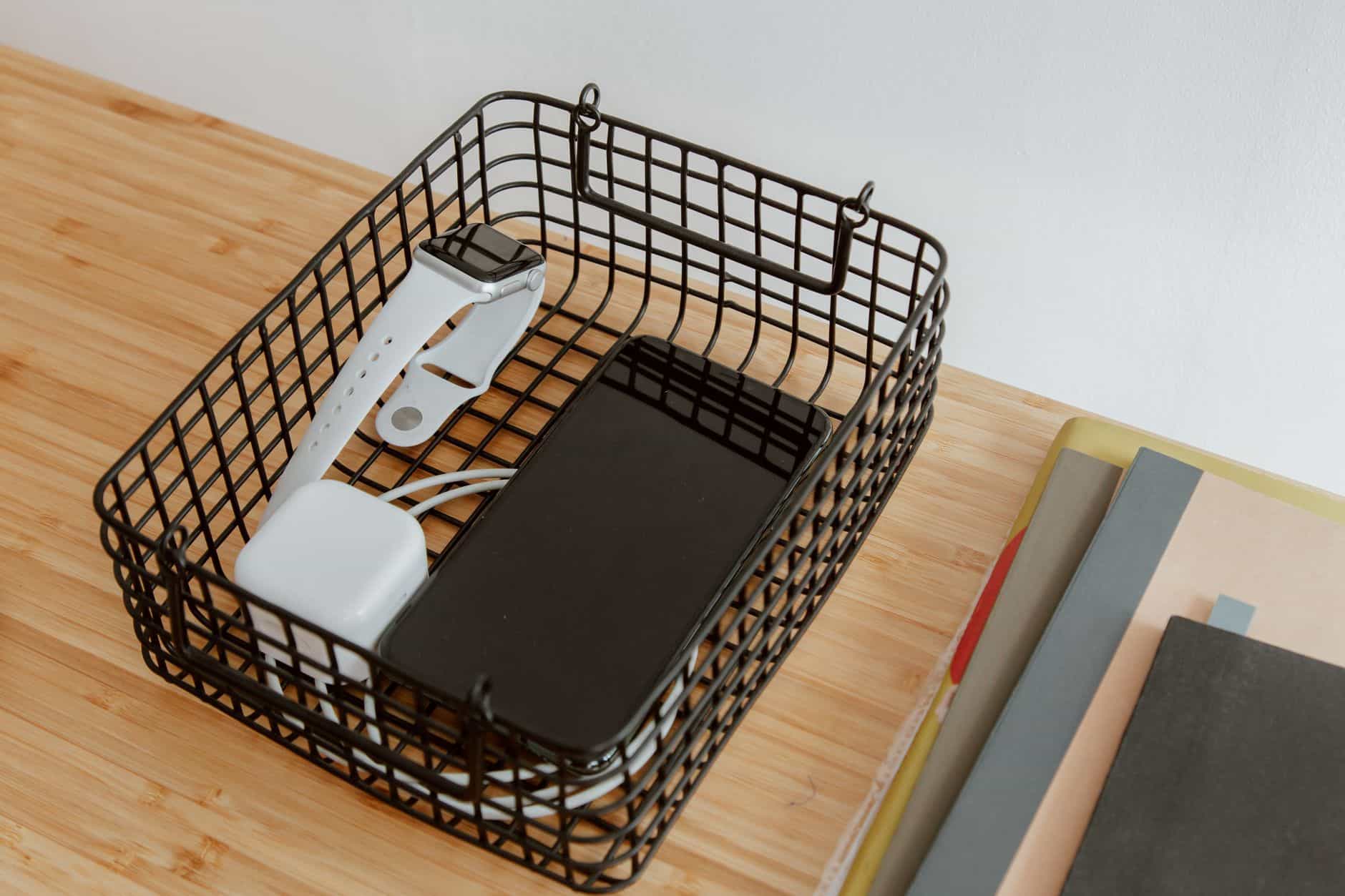
Don’t we all have a drawer somewhere full of old cords? Most of the time you don’t even know what the cords go to anymore. So many toys and kitchen gadgets come with extra chargers, but they’re unreliable and unnecessary.
Unused Electronics
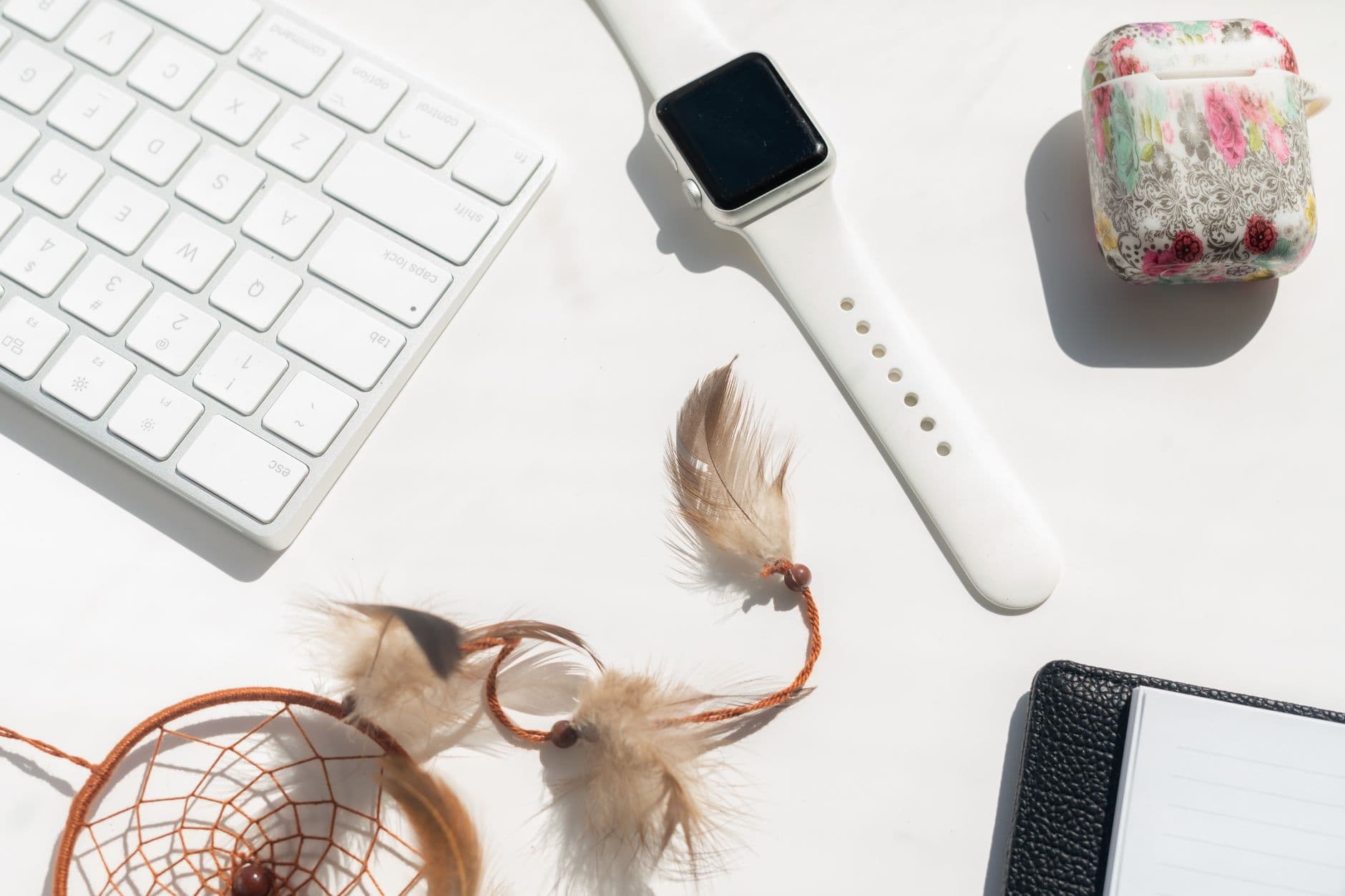
As with the point above, what do you really think you’re going to do with that phone that was so old apps didn’t work on it anymore? Old, unused electronics have had their time, and now it’s time for them to go. Just make sure you dispose of them properly, since there are regulations around tossing electronics so that we protect your data and the environment.
Plastic Bags & Containers
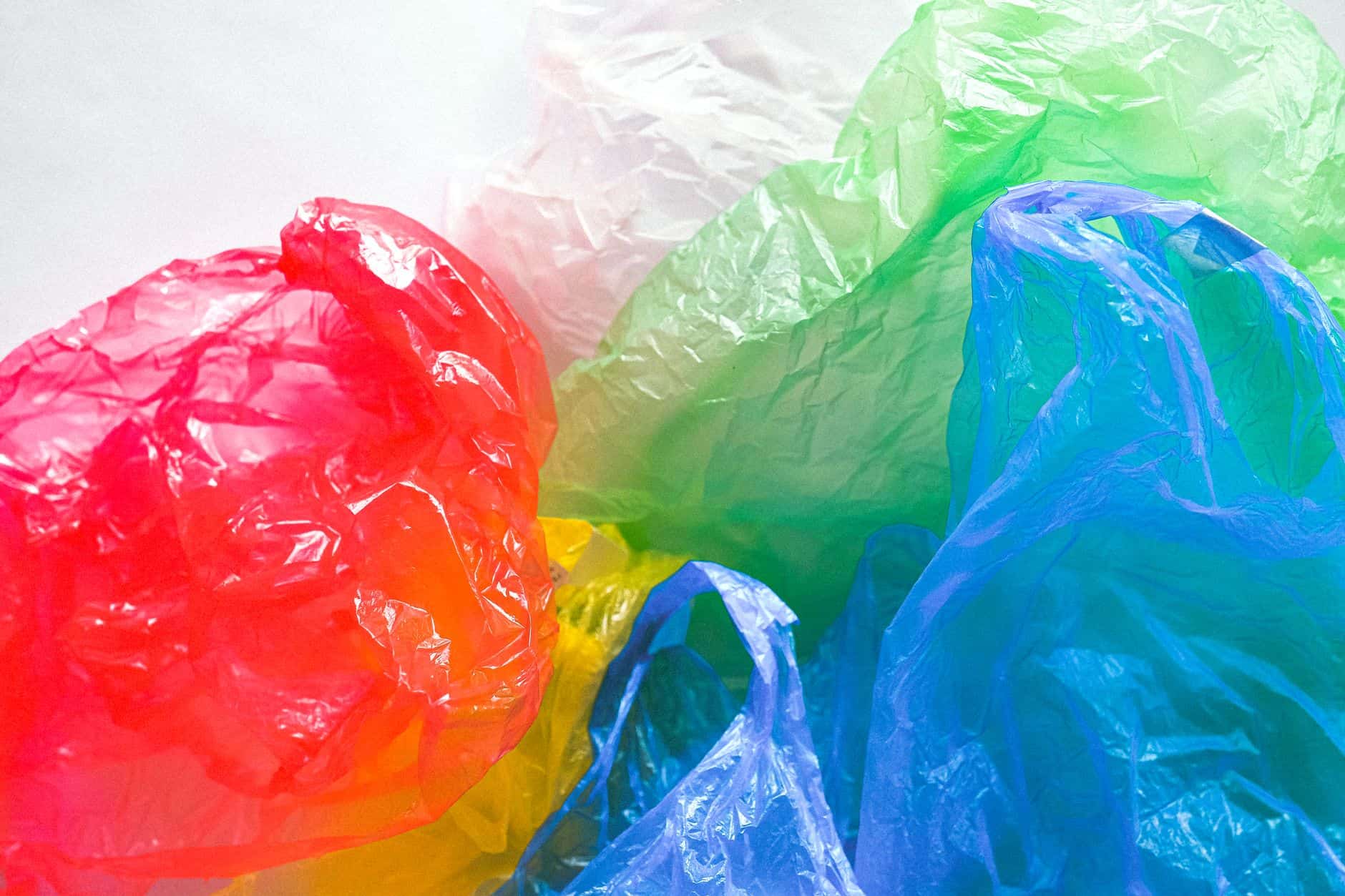
The cupboard below the kitchen sink holds them all: a plastic bag stuffed full of other plastic bags, accumulated over months of grocery runs.
For most people, these bags accumulate faster than you can ever use them. Yes, hold onto a dozen or so to replace bags in small garbage cans around the house. For others, like those with babies in diapers or who need to clean up after their dog during a walk, they may actually use those bags quickly.
Inventory your bags and your lifestyle. No one needs ripped or tatty bags, and if you don’t have constant need of the bags at all, recycle them. To avoid future build up, consider opting for a few sturdier, reusable bags so you don’t have to use the plastic bags offered at the store.
Tons of Reusable Water Bottles
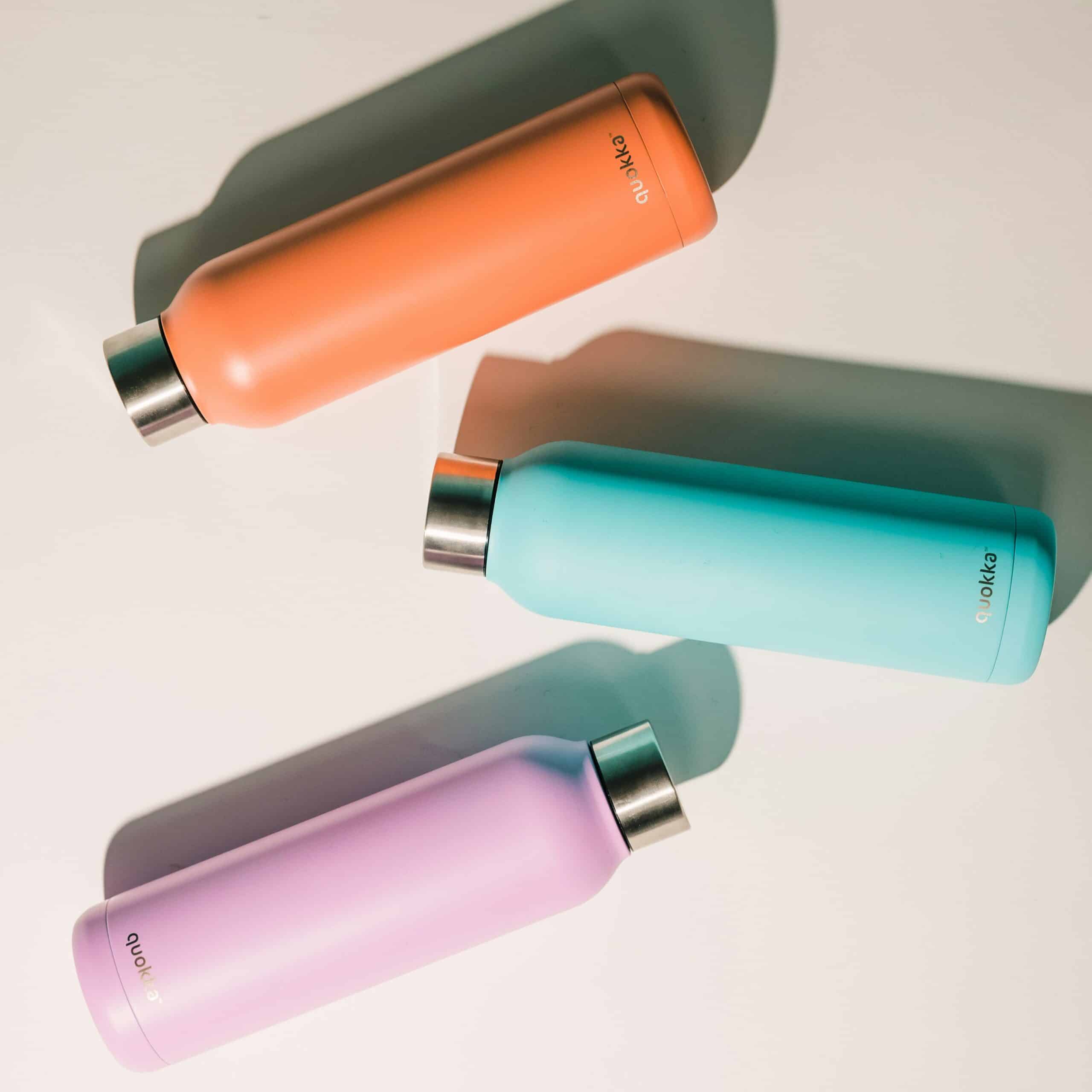
You don’t need to hold onto every free water bottle you’ve received at an event. You don’t need a different water bottle for every day. One or two quality, insulated water bottles can get you through. Keep a good thermos for your coffee and tea, and you’re good.
Every Piece of Children’s Artwork
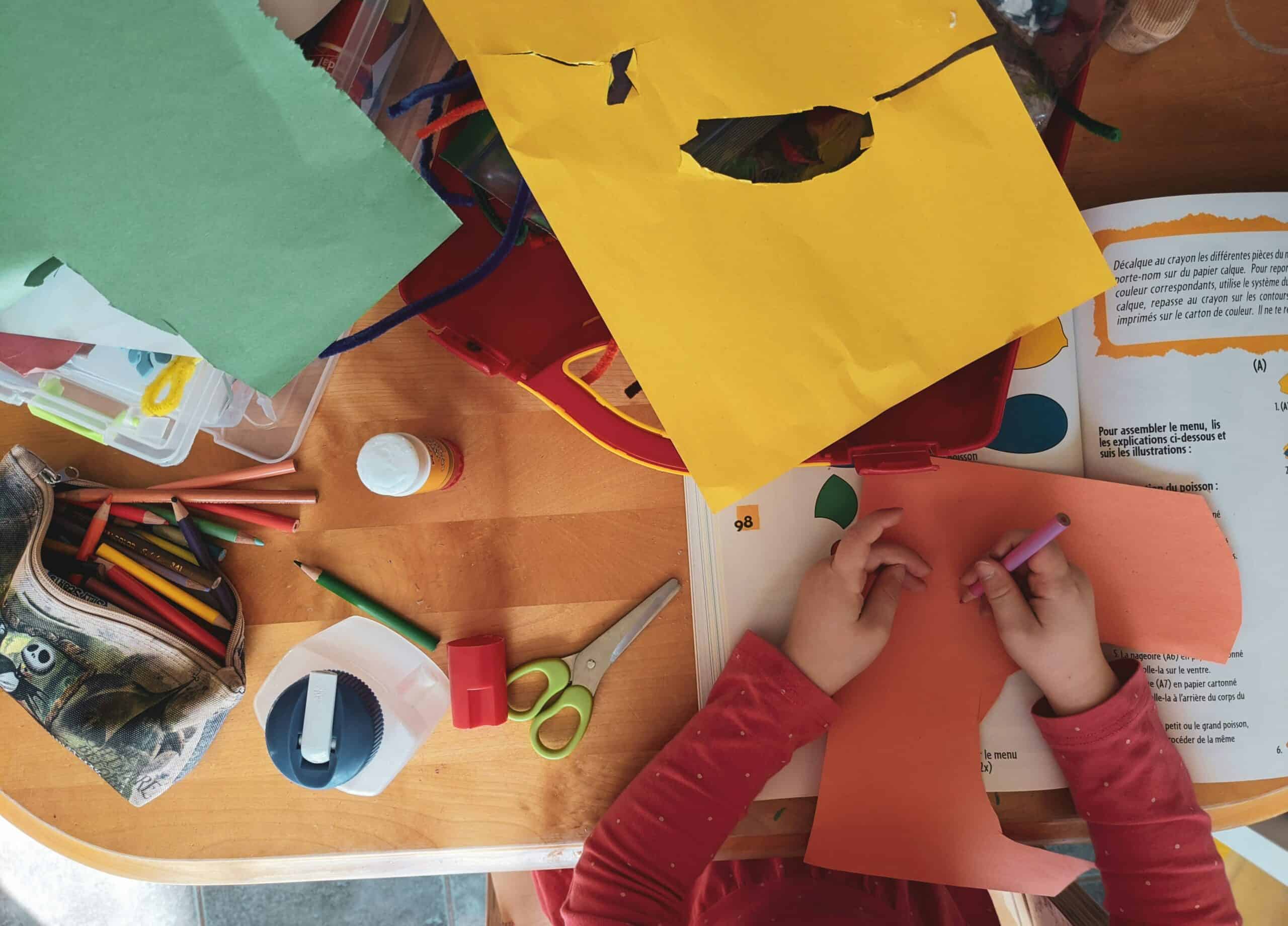
This one is TOUGH and emotional, but without a good system, the artwork piles up fast.
My kids each have a binder with a generous number of those plastic sleeves. They know that anything they have drawn, cut, pasted, or painted that they want to keep needs to find a home in this binder. When the binder gets too full, it’s up to them what they do and do not keep (though I regularly check for anything really special to make sure they don’t toss it). It’s been a great system for our family.
Containers with Missing Tops or Bottoms
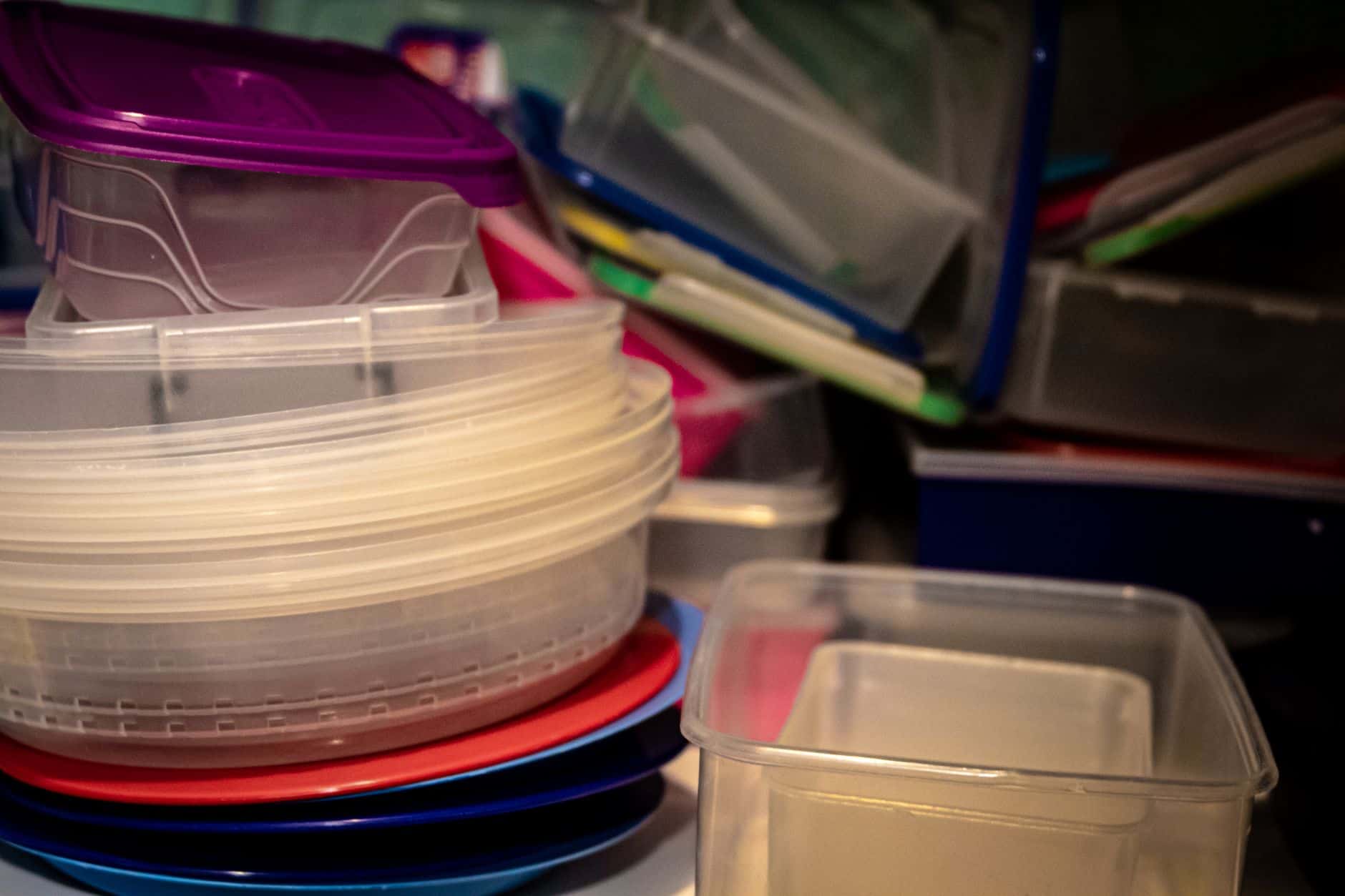
Tupperware that has no lid can’t do much for you. Similarly, having five lids and only one remaining matching bottom just takes up space with no function. Organize your containers, pairing what fits together and throwing away what doesn’t.
Old School Materials
For years and years I held onto the binders of my class material and notes from my AP European history class. I had four binders, and each of them were so thick, they were the kind that had two spines. The information I learned there was overwhelming but rich, time-intensive but wonderfully organized. It had opened my eyes to source material and facts I had never even heard of before, so it felt too special to just throw away.
But after nearly ten years of these binders just sitting in a box, hidden away, I realized that I wasn’t ever going to do more than flip through the pages for a few minutes of nostalgia. It was time to retire the binders.
Often we hold onto old textbooks and learning material because it feels special or we are sure we’ll need and use it in the future. But unless the information directly relates to your career, the chances of using those resources are slim.
So sure, keep the textbooks or field guides relate to your field. If you have a particularly beautiful anthology, you may want that too. Heaven knows I kept (and love!) all my English degree books. But don’t be like me, sentimental about the work I put into AP European History. Grit your teeth and throw that stuff away.
Hangers That Don’t Match
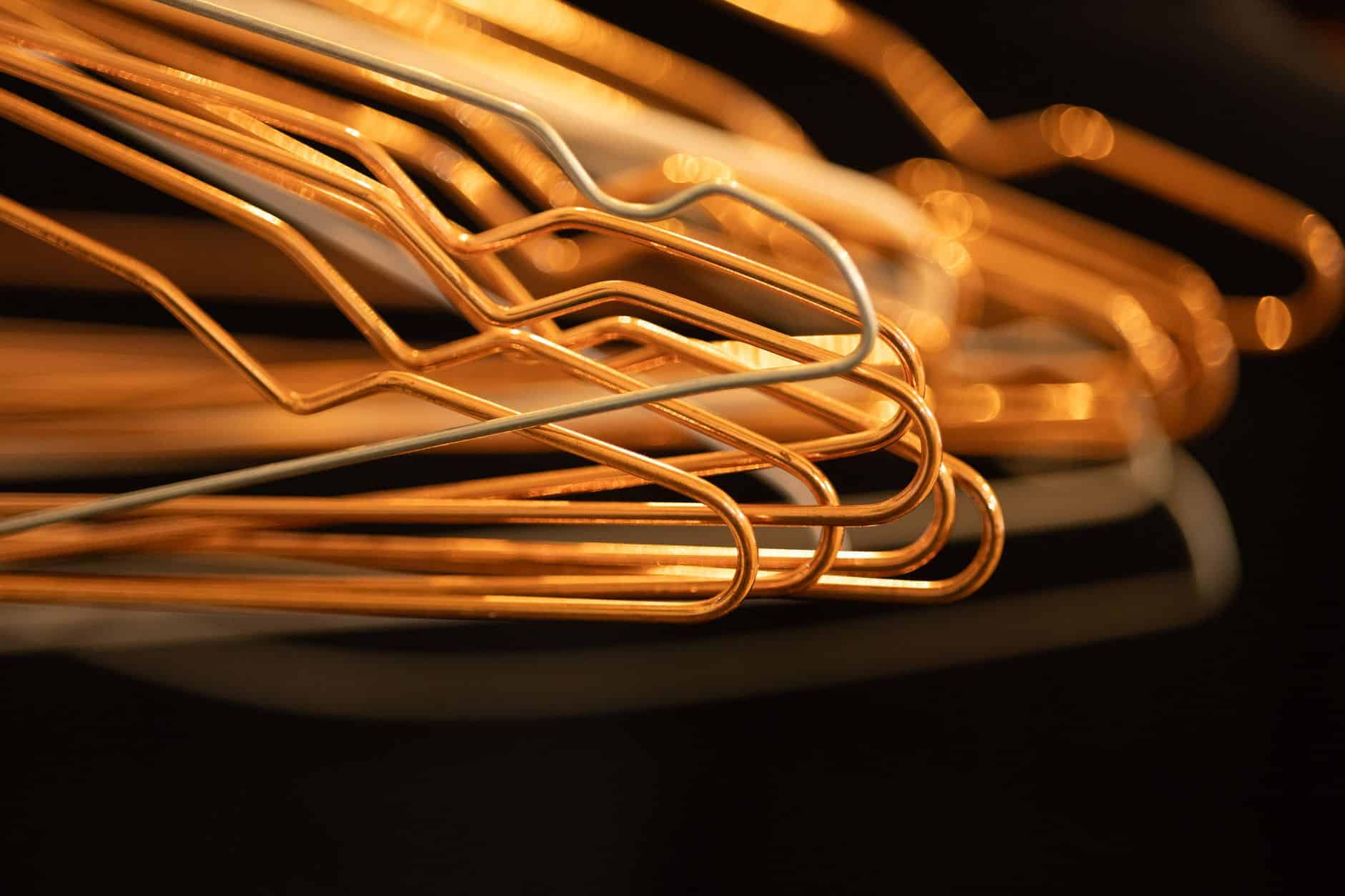
You’d be surprised how much room hangers take up when you have flimsy wire hangers and bulky wood hangers and slim, velvet hangers all stuck together. Stick with one consistent style that can hold your clothes and add one or two heftier hangers for the heavier items, like suits.
Shipping Boxes
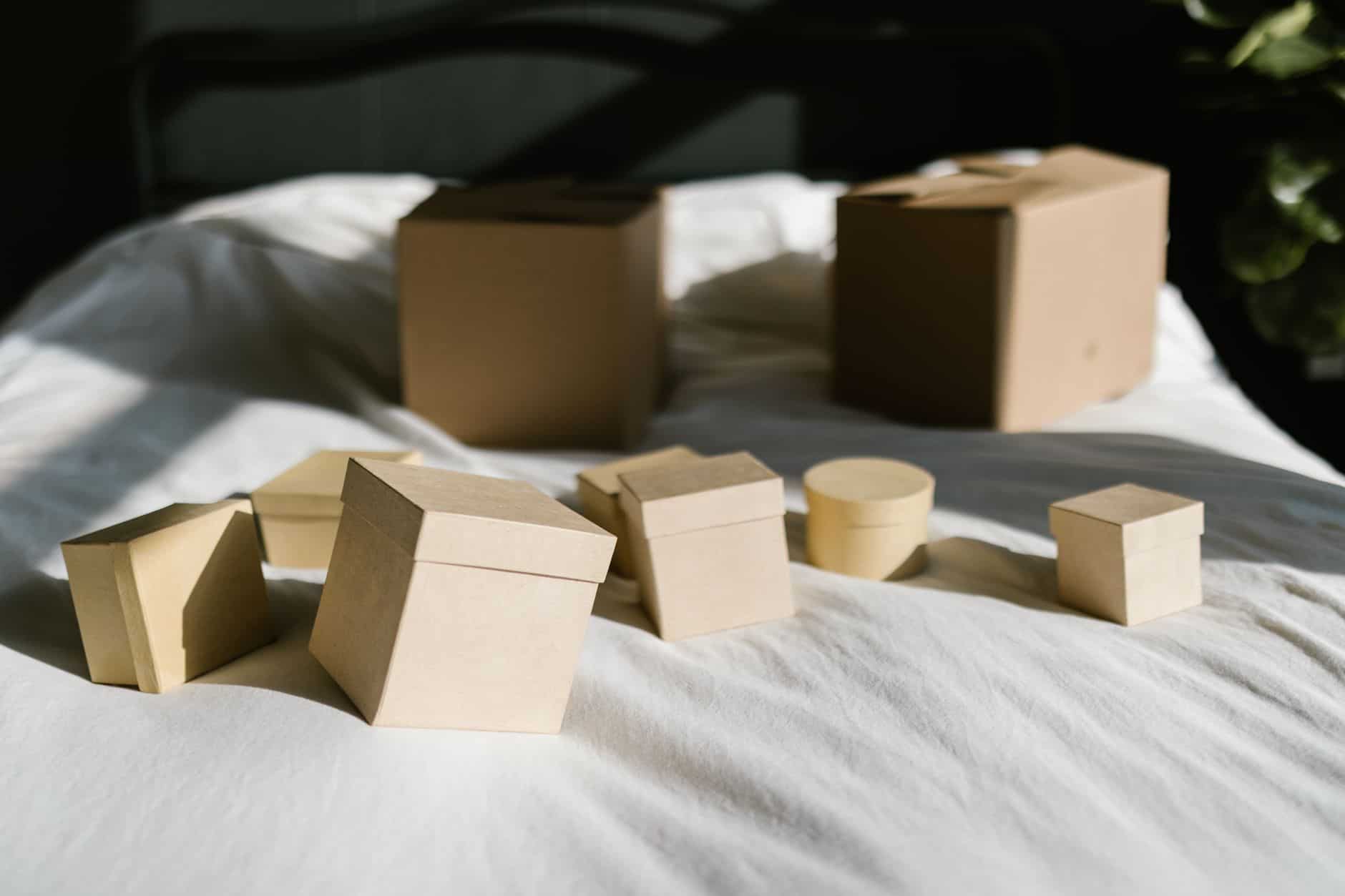
Open them, break them down to flat, and recycle them. That’s the system. Ta da!
Plastic Utensils and Condiments from Takeout
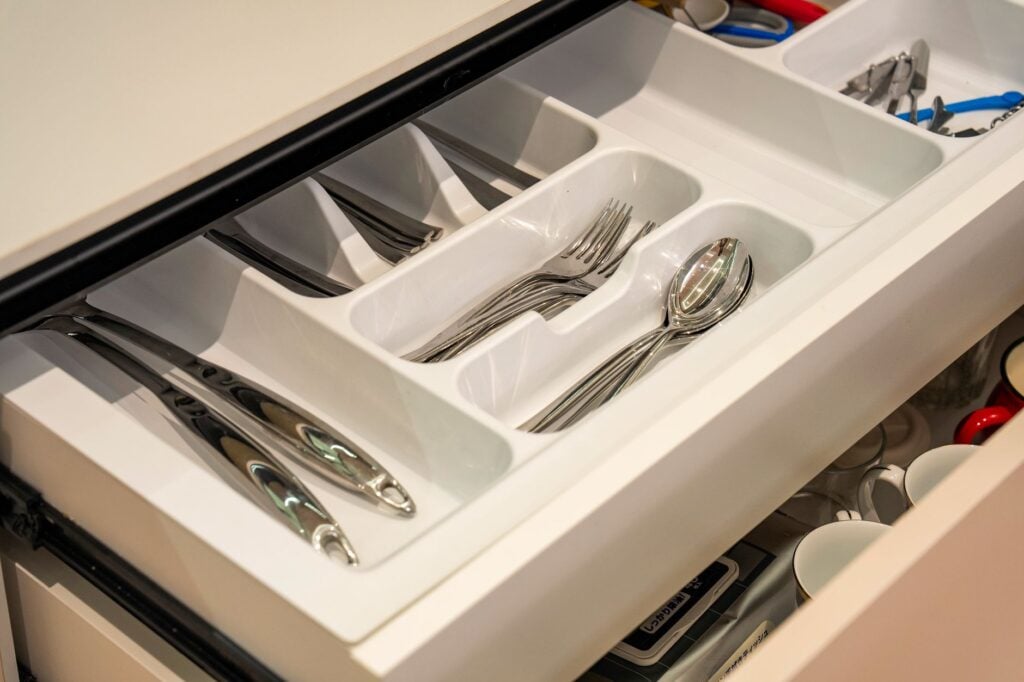
My father-in-law loves Taco Bell, so much so that it’s a bit of a running joke in the family. We know his favorite items and which sauce he puts on his food. But even he doesn’t bring home extra packets to squirt onto homemade meals.
Condiments can make your food taste better for sure, and I applaud the frugality of holding onto the plastic utensils from your takeout. Still, save your space and stick to your own stuff when you’re at home. That little ketchup packet is for lunch on the go, not for your refrigerator door.
Broken Items
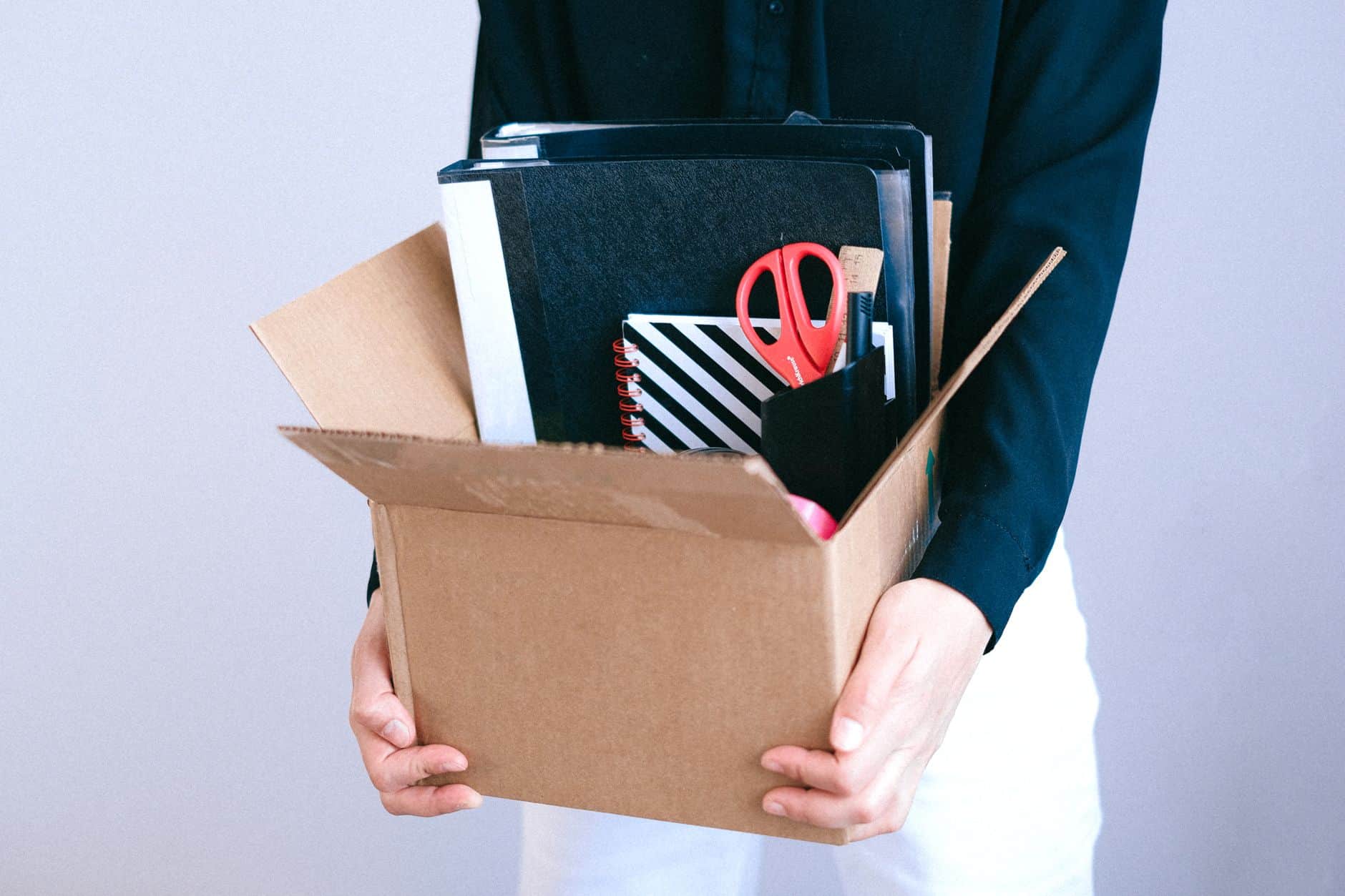
Repairing your items creates a mindset of care, curbs overconsumption, and teaches you useful skills. I am all for it. Often artfully repairing your items, from pottery to clothes, leaves the pieces not only fixed but looking cooler and more full of personality than before.
But for those items that you cannot fix but you hold onto out of guilt or sentimentality, say a thank you and throw it away.
Kids’ Old Clothes
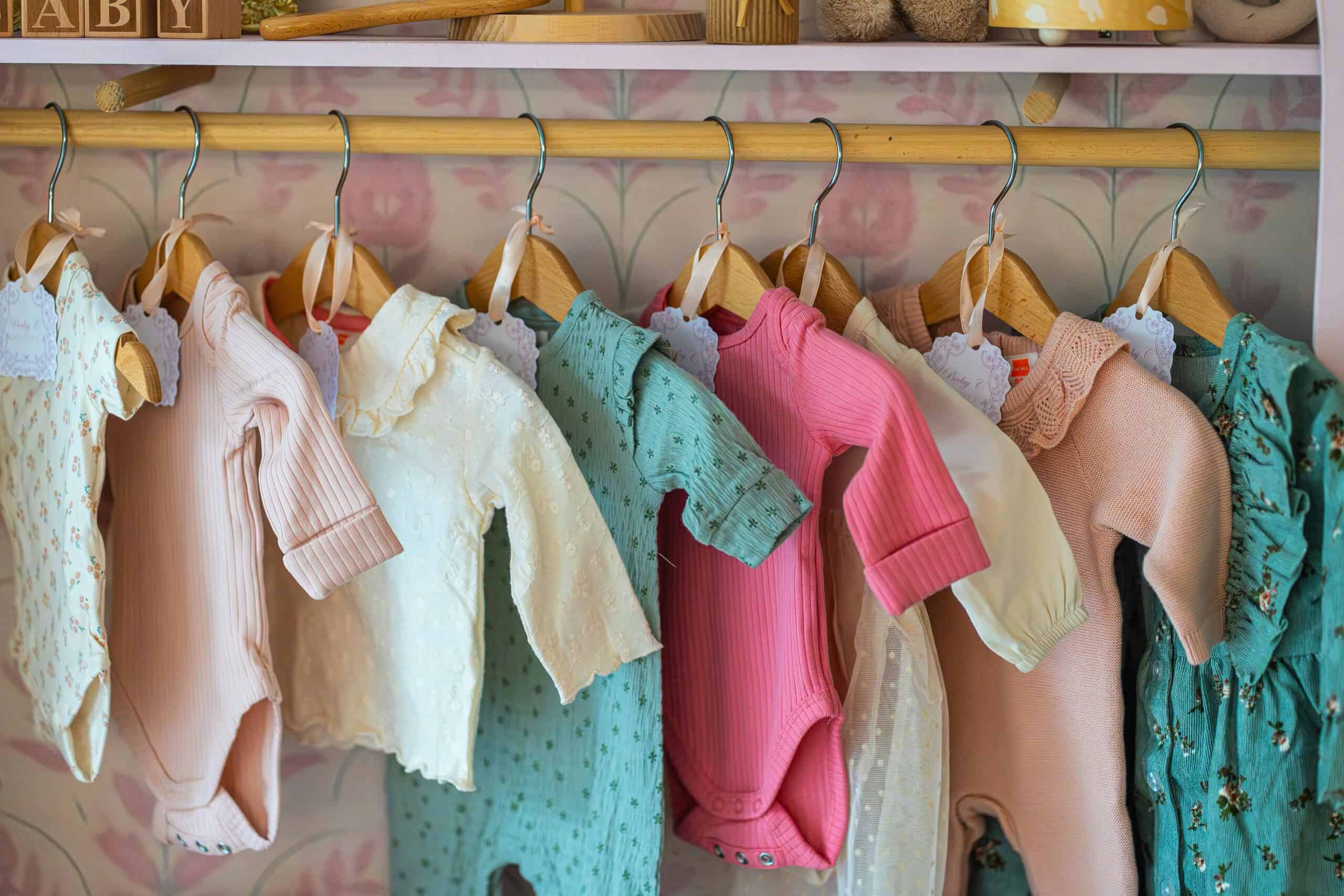
When a friend who now lives in a different state texted me and told me she was having a baby boy, I squealed. What great news! Soon after that text, I started thinking about all of the old baby boy clothes I had stored in bins that would never be used again, so I texted her and asked if she’d be interested in any of my son’s old things. She was, so I sorted them and after many a picture text, she picked what she wanted and I sent them to her, so happy they would be loved by someone I love.
I will never, ever say to get rid of potential hand-me-downs. All of my children, both boys and girls, have lived in some of the same outfits because we held onto them. Other items are special and should be saved. You couldn’t rip my daughters’ beautifully hand-smocked Sunday dresses from my dead hands, and some of the most cherished baby items I have used to be mine or my mom’s or my grandma’s.
Stained onesies, on the other hand, do not need to go back in the bin after your last child. Save the special pieces and consider if you’ll need hand-me-downs, then donate the rest.
Conclusion
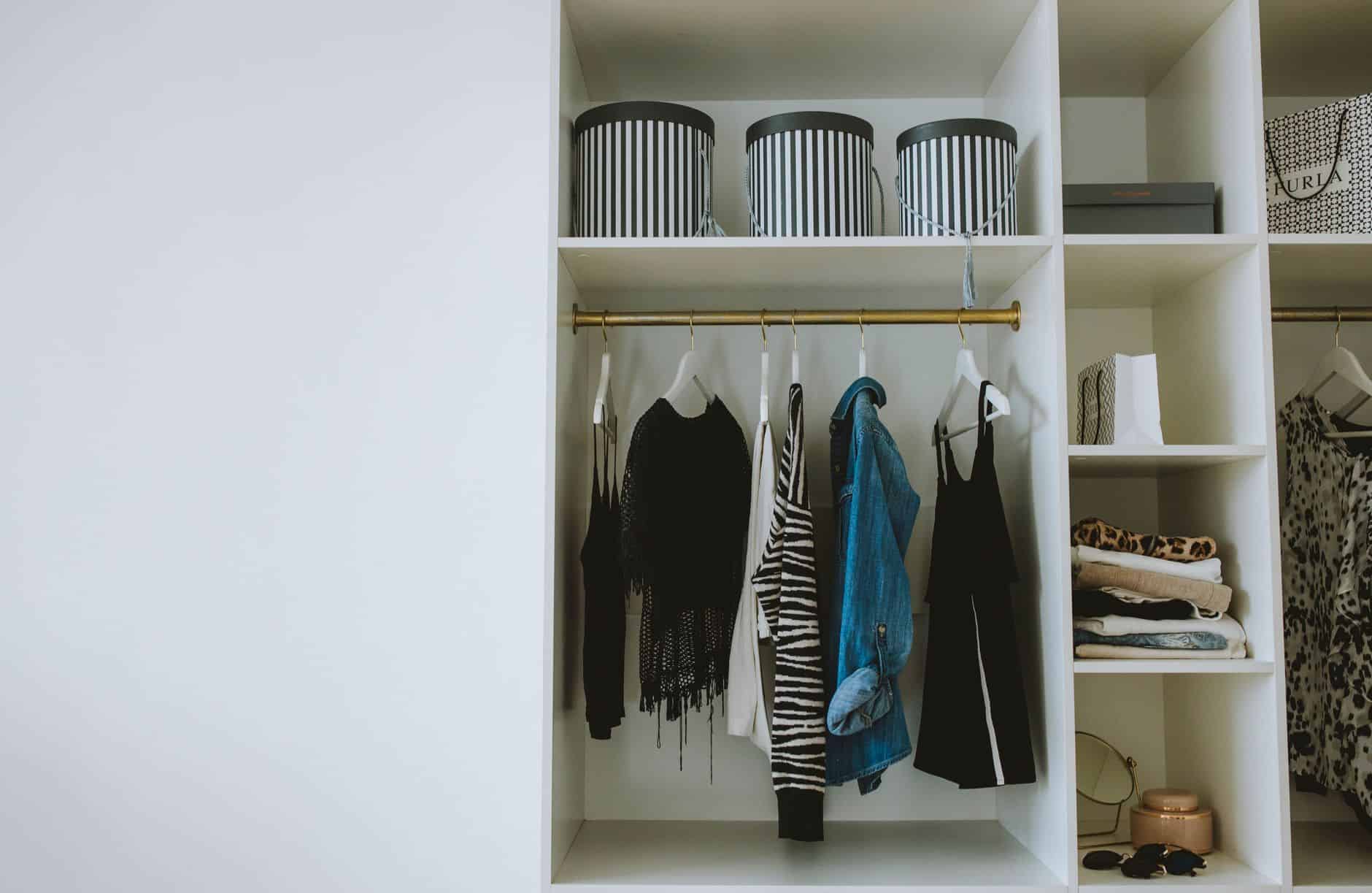 Photo: Anastasia Shuraeva / Pexels
It’s easy to start hoarding items without realizing it, even if you consider yourself clean! A regular check around the house helps to avoid accumulating items and keeps your mind and space fresh and clear.